Table of Contents
- Quick Answer
- Can Dogs Eat Coconut?
- Nutritional Value of Coconut
- Health Benefits of Coconut for Dogs
- Is Coconut Safe for Every Dog?
- Frequently Asked Questions
- Final Verdict
Quick Answer
Yes, dogs can eat coconut in moderation.
If you’ve been asking Can Dogs Eat Coconut, the answer is yes. Fresh coconut meat can be a healthy occasional treat for most healthy dogs when served in small portions. Coconut contains healthy fats, dietary fiber, manganese, copper, iron, and antioxidants that may support your dog’s skin, coat, digestion, and immune system.
However, while Can Dogs Eat Coconut has a positive answer, coconut is naturally high in fat and calories. Feeding excessive amounts may lead to digestive upset or even pancreatitis in sensitive dogs. The safest approach is to serve plain fresh coconut occasionally and avoid sweetened or processed coconut products.
Can Dogs Eat Coconut?
Many pet owners wonder Can Dogs Eat Coconut because coconut is often marketed as a superfood for humans. Naturally, dog owners want to know whether their furry companions can enjoy the same nutritional benefits.
The good news is that Can Dogs Eat Coconut is generally answered with yes by veterinarians, provided it is offered in moderation. Fresh coconut flesh is non-toxic to dogs and provides several important nutrients that may contribute to overall health.
Unlike foods such as grapes, raisins, chocolate, onions, or xylitol-containing products, fresh coconut is not considered poisonous to dogs. Still, moderation is essential because coconut contains a relatively high amount of fat.
Most healthy adult dogs can safely enjoy a few bite-sized pieces of fresh coconut as an occasional snack. It should never replace a balanced commercial dog food but can be used as a healthy reward during training or as a special treat.
Veterinarian’s Advice
Veterinary nutrition experts generally agree that fresh coconut is safe for most healthy dogs when served properly.
They recommend:
- Offering only plain fresh coconut.
- Removing the hard shell completely.
- Feeding small bite-sized pieces.
- Introducing coconut gradually.
- Watching for digestive upset after the first serving.
Dogs suffering from obesity, pancreatitis, or chronic digestive disorders should only consume coconut after consulting their veterinarian.
Nutritional Value of Coconut
Fresh coconut contains several nutrients that may benefit your dog’s overall health.
| Nutrient | Potential Benefit |
|---|---|
| Healthy Fats | Support healthy skin and coat |
| Fiber | Promotes healthy digestion |
| Manganese | Supports metabolism |
| Copper | Supports normal body functions |
| Iron | Helps maintain healthy blood cells |
| Potassium | Supports muscle and nerve function |
| Antioxidants | Help protect healthy cells |
Although coconut is nutritious, it is also calorie-dense. Portion control remains the most important factor when feeding coconut to dogs.

Health Benefits of Coconut for Dogs
One of the reasons so many pet owners ask Can Dogs Eat Coconut is because coconut contains several nutrients that may contribute to canine health.
Some potential benefits include:
1. Supports Healthy Skin and Coat
The natural healthy fats found in coconut may help maintain soft skin and a shiny coat when included as part of a balanced diet.
2. Rich in Dietary Fiber
Fiber supports healthy digestion and may help maintain regular bowel movements when coconut is served in appropriate portions.
3. Contains Powerful Antioxidants
Antioxidants help protect cells from oxidative stress and support overall immune health.
Benefits of Coconut for Dogs
Fresh coconut can be a nutritious occasional treat when served correctly. While Can Dogs Eat Coconut is a common question among pet owners, understanding both the benefits and limitations helps you make the safest decision for your dog.
Below are the most important veterinarian-approved benefits.
1. May Support Healthy Skin and Coat
One of the biggest reasons owners ask Can Dogs Eat Coconut is because coconut naturally contains healthy fats known as medium-chain triglycerides (MCTs).
These healthy fats may help support:
- Healthy skin
- A shiny coat
- Skin moisture
- Normal skin barrier function
Dogs suffering from dry skin should never be treated with coconut alone, but small servings may complement a balanced diet.
2. Rich in Antioxidants
Fresh coconut contains antioxidants that help protect cells from damage caused by free radicals.
Antioxidants may support:
- Healthy aging
- Immune function
- Cell protection
- Overall wellness
While Can Dogs Eat Coconut has a positive answer, antioxidants work best when coconut is offered occasionally rather than every day.
3. Supports Healthy Digestion
Fresh coconut contains dietary fiber.
Fiber may help:
- Promote healthy digestion
- Support regular bowel movements
- Feed beneficial gut bacteria
- Improve digestive health
However, excessive fiber can also cause loose stools.
Always begin with very small servings.
4. Contains Important Minerals
Fresh coconut provides several beneficial minerals.
These include:
- Manganese
- Copper
- Iron
- Potassium
These nutrients contribute to normal body functions and overall health.
Although the amounts are relatively small, they still add nutritional value to an occasional healthy snack.
5. Provides Natural Healthy Fats
Unlike processed snacks, fresh coconut provides naturally occurring fats.
These fats may support:
- Energy production
- Healthy metabolism
- Skin health
Because coconut is calorie-dense, portion control remains extremely important.
Dogs that are overweight should receive coconut only occasionally.
Risks of Feeding Coconut to Dogs
Although Can Dogs Eat Coconut has a positive answer, coconut is not suitable for unlimited feeding.
Pet owners should understand the possible risks before making coconut a regular treat.
1. High Fat Content
The biggest concern with coconut is its fat content.
Too much coconut may contribute to:
- Weight gain
- Digestive upset
- Pancreatitis
- Loose stools
Dogs with pancreatitis should avoid coconut unless specifically approved by their veterinarian.
2. Digestive Upset
Some dogs have sensitive stomachs.
Eating too much coconut may result in:
- Vomiting
- Gas
- Diarrhea
- Stomach discomfort
Introduce coconut slowly.
Begin with one or two very small pieces.
3. Choking Hazard
Large coconut chunks may become a choking hazard.
Always:
- Cut coconut into bite-sized pieces.
- Supervise your dog while eating.
- Remove the hard shell completely.
Veterinarian Advice
Veterinary professionals generally recommend fresh coconut only as an occasional treat.
Their advice includes:
โ Feed plain fresh coconut only.
โ Never feed the shell.
โ Avoid sweetened coconut.
โ Introduce slowly.
โ Monitor for digestive upset.
โ Stop feeding if vomiting or diarrhea occurs.
Dogs with obesity, pancreatitis, diabetes, or chronic digestive disease should always be evaluated by a veterinarian before eating coconut.

Safe Serving Sizes
Serving size depends upon your dog’s weight.
| Dog Size | Serving Size |
|---|---|
| Extra Small | 1 teaspoon |
| Small | 2 teaspoons |
| Medium | 1 tablespoon |
| Large | 2 tablespoons |
| Giant | 3 tablespoons |
Offer coconut only once or twice each week.
Daily feeding is not recommended.
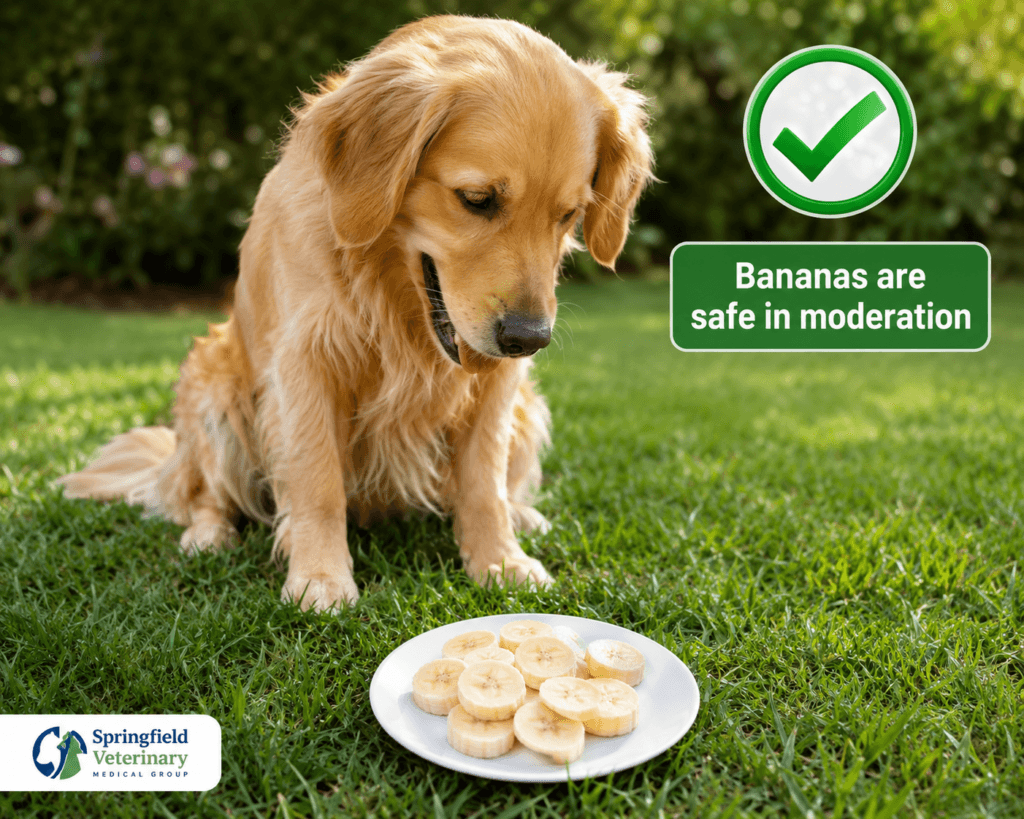
ย Can Dogs Eat Bananas
How Much Coconut Can Dogs Eat?
One of the most important questions owners ask after learning Can Dogs Eat Coconut is how much coconut is actually safe.
Although Can Dogs Eat Coconut has a positive answer, the serving size should always depend on your dog’s weight, activity level, and overall health. Coconut is rich in healthy fats but also contains a significant number of calories. Feeding too much can quickly upset your dog’s digestive system.
A good rule is to keep coconut treats within 10% of your dog’s daily calorie intake, while the remaining 90% should come from a complete and balanced dog food.
Recommended Serving Guide
| Dog Weight | Safe Serving |
|---|---|
| Under 10 lbs | 1 teaspoon |
| 10โ20 lbs | 2 teaspoons |
| 20โ50 lbs | 1 tablespoon |
| 50โ80 lbs | 2 tablespoons |
| Over 80 lbs | Up to 3 tablespoons |
Serve coconut only one or two times per week.
If this is your dog’s first time eating coconut, begin with one small piece and observe your dog for the next 24 hours.
Signs Your Dog May Not Tolerate Coconut
Although most healthy dogs tolerate coconut well, every dog is different.
Watch carefully after introducing coconut for the first time.
Possible signs include:
- Vomiting
- Diarrhea
- Excessive gas
- Loss of appetite
- Stomach discomfort
- Excessive licking of lips
- Lethargy
If any of these symptoms appear after eating coconut, discontinue feeding it and contact your veterinarian if symptoms persist.
Remember, while Can Dogs Eat Coconut is generally answered with yes, some individual dogs may have sensitive digestive systems.
Can Puppies Eat Coconut?
Yes, puppies can eat coconut, but only in very small amounts.
Because puppies have developing digestive systems, introducing any new food requires extra caution.
If you want to know Can Dogs Eat Coconut for puppies, follow these veterinarian recommendations:
- Wait until your puppy is fully weaned.
- Feed only fresh plain coconut.
- Start with one tiny piece.
- Watch for digestive upset over the next 24 hours.
- Do not feed coconut every day.
Puppies should receive nearly all of their nutrition from a high-quality puppy food that meets their growth requirements.
Can Senior Dogs Eat Coconut?
Senior dogs can usually enjoy coconut as well.
Older dogs may benefit from the antioxidants and healthy fats found in fresh coconut.
However, senior dogs often have slower digestion.
Serve:
- Smaller portions
- Less frequently
- Only after discussing dietary changes with your veterinarian if your dog has chronic health conditions.
Can Dogs Eat Coconut Oil?
Another common question is Can Dogs Eat Coconut Oil.
Yes, dogs can consume small amounts of plain virgin coconut oil.
Some owners use coconut oil to support:
- Skin health
- Coat shine
- Paw moisturization
- Dry skin
However, coconut oil contains almost 100% fat.
Too much coconut oil may contribute to:
- Weight gain
- Diarrhea
- Pancreatitis
- Excess calories
Most veterinarians recommend introducing coconut oil gradually.
For most dogs:
- Small dogs: ยผ teaspoon
- Medium dogs: ยฝ teaspoon
- Large dogs: 1 teaspoon
Do not exceed your veterinarian’s recommendations.
Can Coconut Oil Be Applied to a Dog’s Skin?
Yes.
Many pet owners apply coconut oil externally to:
- Dry paw pads
- Dry nose
- Mild dry skin
- Dull coat
Always prevent excessive licking after application.
If skin irritation develops, discontinue use and consult your veterinarian.
Can Dogs Drink Coconut Water?
Many owners who ask Can Dogs Eat Coconut also wonder whether coconut water is safe.
Plain, unsweetened coconut water is generally safe in very small amounts.
It naturally contains electrolytes such as:
- Potassium
- Magnesium
- Calcium
However, dogs already receive proper hydration from fresh drinking water.
Coconut water should never replace clean drinking water.
Avoid coconut water containing:
- Added sugar
- Artificial sweeteners
- Flavorings
- Preservatives
Products containing xylitol are extremely dangerous for dogs and should never be offered.
Can Dogs Drink Coconut Milk?
Plain coconut milk is not toxic, but it is not recommended as a regular treat.
Most commercial coconut milk products contain:
- High fat levels
- Added sugar
- Stabilizers
- Artificial ingredients
These ingredients may upset your dog’s stomach.
Fresh coconut pieces remain a much healthier option than coconut milk.
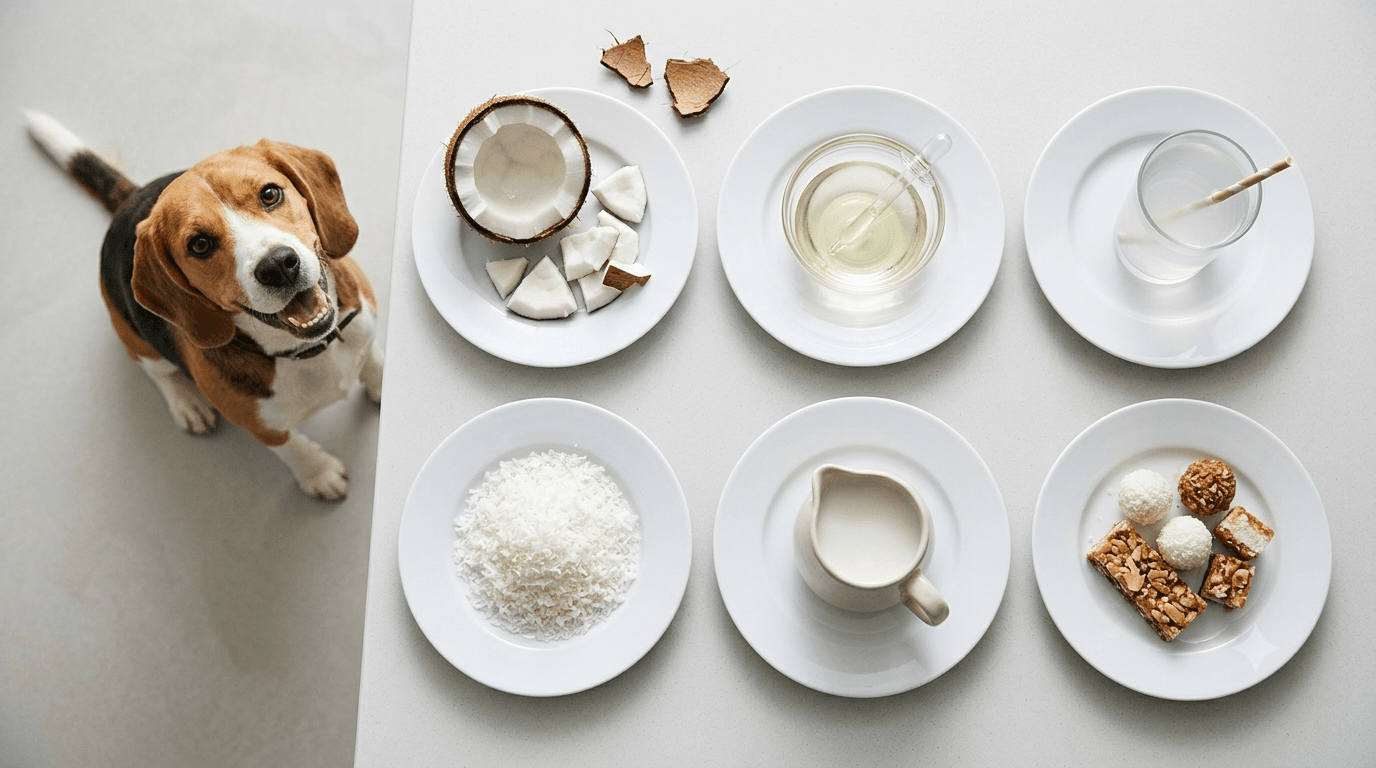
Which Coconut Product Is Best?
| Coconut Product | Safe? | Recommendation |
|---|---|---|
| Fresh Coconut Flesh | Best Choice | |
| Virgin Coconut Oil | Small Amounts | |
| Plain Coconut Water | Occasionally | |
| Unsweetened Shredded Coconut | Small Portions | |
| Coconut Milk | Not Recommended Regularly | |
| Sweetened Coconut | Avoid | |
| Coconut Candy | High Sugar |
Frequently Asked Questions
1. Can Dogs Eat Coconut Every Day?
No.
Although Can Dogs Eat Coconut has a positive answer, coconut should only be offered as an occasional treat because it is high in fat and calories. Feeding it daily may increase the risk of weight gain and digestive problems.
2. Can Dogs Eat Raw Coconut?
Yes.
Fresh, plain raw coconut flesh is the safest option. Wash it well, remove the hard shell completely, and cut it into small bite-sized pieces before serving.
3. Can Dogs Eat Shredded Coconut?
Plain, unsweetened shredded coconut can be given in very small amounts.
Avoid sweetened shredded coconut because it often contains added sugar and preservatives.
4. Can Dogs Eat Coconut Cookies?
No.
Most coconut cookies contain:
- Sugar
- Butter
- Chocolate
- Artificial flavors
These ingredients are not suitable for dogs.
5. Can Dogs Eat Coconut Ice Cream?
No.
Commercial coconut ice cream usually contains:
- High sugar
- Dairy
- Artificial sweeteners
- Chocolate
It should never be offered to dogs.
6. Can Dogs Eat Coconut Flour?
Yes, but only in very small quantities when used in homemade dog treats approved by your veterinarian.
7. Can Dogs Be Allergic to Coconut?
Although uncommon, some dogs may experience sensitivity.
Possible symptoms include:
- Vomiting
- Diarrhea
- Itchy skin
- Excessive scratching
- Ear irritation
Stop feeding coconut and consult your veterinarian if symptoms appear.
8. Can Dogs Eat Coconut Shell?
No.
The shell is extremely hard and may cause:
- Choking
- Broken teeth
- Intestinal blockage
Always remove the shell completely.
9. Is Coconut Better Than Other Fruits?
Fresh coconut can be a healthy treat, but it contains much more fat than fruits like bananas, blueberries, or watermelon.
For regular treats, lower-calorie fruits are usually a better choice.
10. What Should I Do If My Dog Eats Too Much Coconut?
If your dog eats a large amount of coconut, monitor for:
- Vomiting
- Diarrhea
- Abdominal pain
- Loss of appetite
- Lethargy
Seek veterinary advice immediately if symptoms are severe or continue for more than 24 hours.
Final Verdict
So, Can Dogs Eat Coconut?
Yes.
Fresh coconut is generally safe for healthy dogs when served in moderation. It provides healthy fats, dietary fiber, antioxidants, and important minerals that may support skin health, coat condition, digestion, and overall wellness.
However, because coconut is naturally high in fat, it should always be considered an occasional treat rather than a daily food. Feeding excessive amounts may contribute to digestive upset, weight gain, or pancreatitis in susceptible dogs.
The safest option is plain fresh coconut flesh cut into small pieces. Avoid coconut candy, sweetened coconut, desserts, processed coconut products, and the hard shell.
When introduced correctly, Can Dogs Eat Coconut has a positive answer and can become another nutritious addition to your dog’s treat rotation.
Conclusion
If you’ve been searching Can Dogs Eat Coconut, you now know that the answer is yesโbut moderation is the key.
Fresh coconut offers several nutritional benefits while remaining non-toxic for most healthy dogs. Always introduce new foods gradually, feed appropriate serving sizes, and observe your dog for any digestive changes.
By following these simple veterinarian-approved feeding recommendations, you can safely share fresh coconut with your furry companion while maintaining a healthy, balanced diet.