

Can Dogs Eat Pineapple?
Yes, dogs can eat pineapple safely in moderation. If you’ve been searching can dogs eat pineapple, you’ll be happy to know that fresh pineapple is a dog-safe fruit when prepared correctly.
Pineapple is packed with vitamin C, manganese, fiber, antioxidants, and water, making it a refreshing and nutritious snack for many dogs. It also contains bromelain, a natural enzyme that helps break down protein and may support healthy digestion.
However, because pineapple contains natural sugars, it should only be offered as an occasional treat. Fresh pineapple should never replace your dog’s complete and balanced diet.
Quick Answer: Can dogs eat pineapple? Yes. Fresh pineapple flesh is safe for most healthy dogs when served in moderation.
Is Pineapple Safe for Dogs?
Yes.
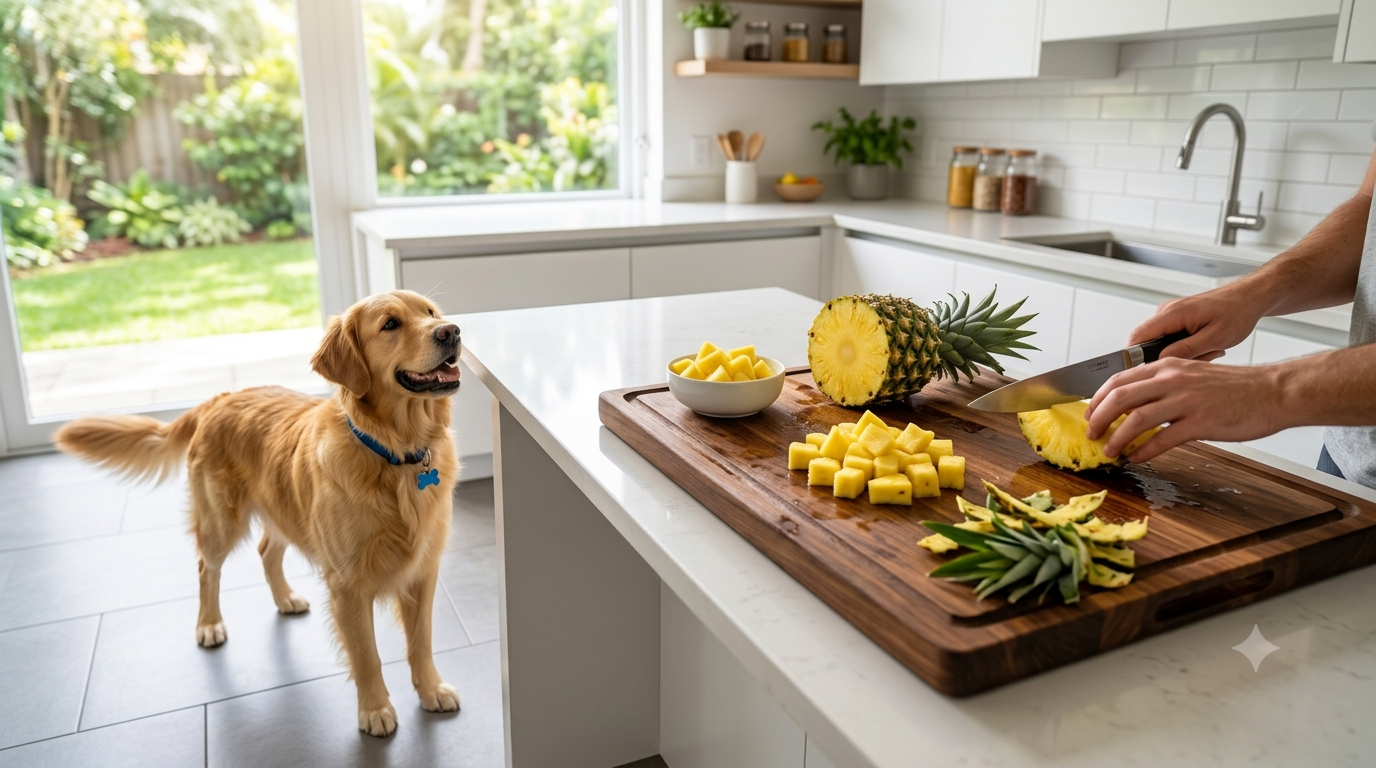
Fresh pineapple is considered non-toxic to dogs by veterinarians. The sweet flesh is safe, but the rough outer skin and hard center core should always be removed before feeding.
Proper preparation makes a big difference.
Why Pineapple Is a Healthy Choice
 Rich in vitamin C
- Contains bromelain
- High in antioxidants
- Good source of fiber
- Naturally hydrating
- Fat-free
- Easy to prepare
As with any fruit, moderation is important because pineapple contains natural fruit sugar.
Pineapple Nutrition Facts
Fresh pineapple contains several nutrients that support overall canine health.
| Nutrient | Benefit for Dogs |
|---|---|
| Vitamin C | Supports immune health |
| Manganese | Supports healthy bones |
| Fiber | Promotes healthy digestion |
| Bromelain | Helps digest proteins |
| Antioxidants | Help protect body cells |
| Water | Supports hydration |
These nutrients make pineapple one of the healthiest tropical fruits dogs can enjoy occasionally.

5. Supports Healthy Bones
Pineapple contains manganese, an essential mineral that helps support strong bones, healthy joints, and normal metabolism.
Although dogs only need small amounts of manganese, fresh pineapple can contribute to a balanced diet when served as an occasional treat.
6. Provides Natural Energy
Pineapple contains natural carbohydrates that provide a quick source of energy.
This makes small pineapple pieces a great reward after:
- Long walks
- Hiking trips
- Agility training
- Outdoor playtime
Because pineapple also contains natural sugar, it should be fed in moderation.
7. Supports Healthy Skin and Coat
Vitamin C and antioxidants work together to help maintain healthy skin while protecting body cells from oxidative stress.
A nutritious diet containing safe fruits like pineapple may help keep your dog’s coat looking healthy and shiny.
8. Low in Fat
Fresh pineapple contains almost no fat, making it a healthier alternative to many processed commercial treats.
For dogs that need to maintain a healthy weight, fresh fruit can be a smart occasional snack.
9. Delicious Natural Treat
Many dogs love the naturally sweet taste of pineapple.
Instead of offering processed snacks filled with preservatives, fresh pineapple provides a healthier reward that most dogs enjoy.
Can Puppies Eat Pineapple?
Yes.
Puppies can safely eat small amounts of fresh pineapple once they have transitioned to solid foods.
However, because puppies have sensitive digestive systems, introduce pineapple slowly.
Puppy Feeding Tips
- Wash pineapple thoroughly.
- Remove the skin and hard core.
- Cut into tiny bite-sized pieces.
- Feed only one or two small pieces the first time.
- Watch for stomach upset over the next 24 hours.
If your puppy tolerates pineapple well, it can become an occasional healthy treat.
Fresh vs Frozen Pineapple
Both fresh and frozen pineapple are safe for healthy dogs.
Frozen pineapple can be especially refreshing during hot summer months.
| Pineapple Type | Safe for Dogs? | Notes |
|---|---|---|
| Fresh Pineapple |  Yes Yes | Best choice |
| Frozen Pineapple | Yes | Great summer treat |
| Freeze-Dried Pineapple | Yes | Choose unsweetened only |
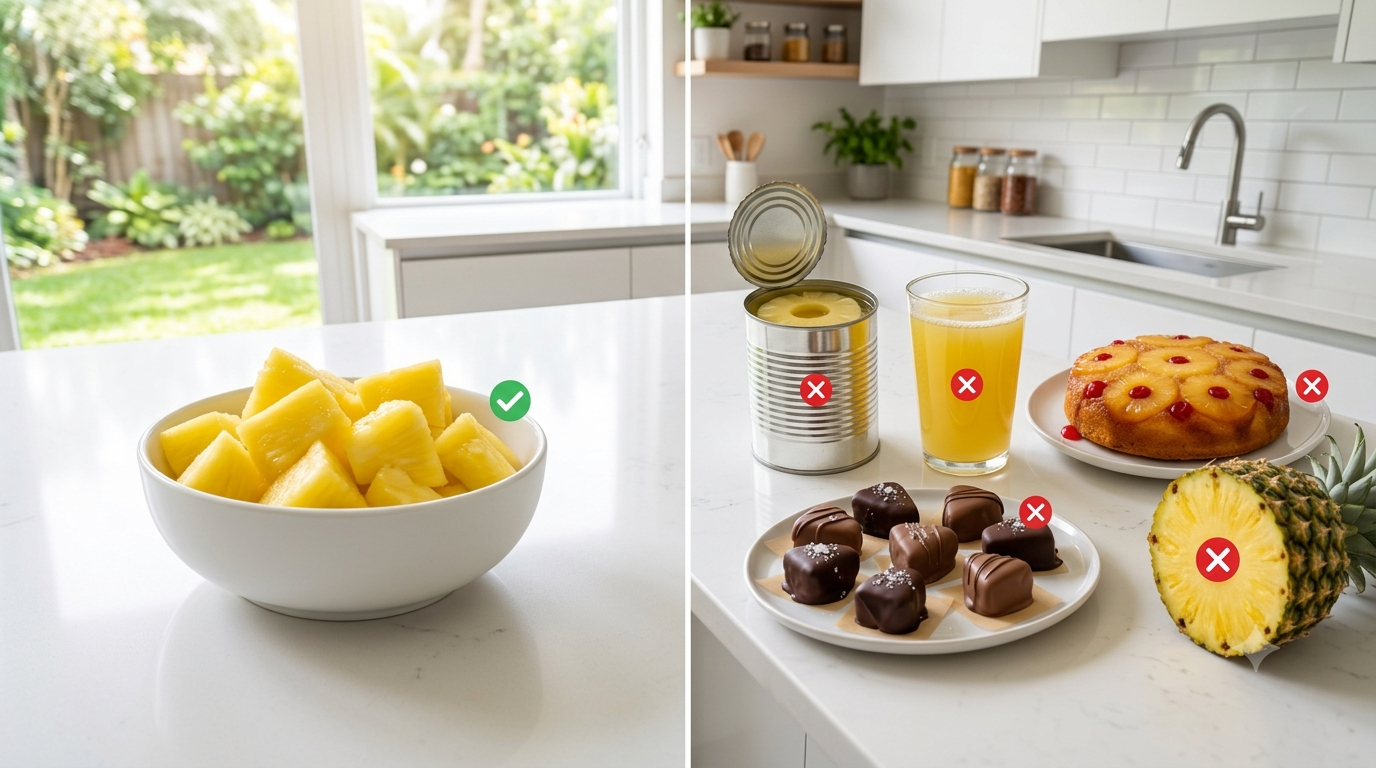
| Canned Pineapple |  No No | Usually contains syrup |
| Pineapple Juice | No | High in sugar |
| Pineapple Jam | No | Too much added sugar |
| Pineapple Cake | No | Sugar and butter |
| Chocolate-Covered Pineapple | Never | Chocolate is toxic |
How Much Pineapple Can Dogs Eat?
Even healthy fruits should only be occasional treats.
Veterinarians recommend treats account for no more than 10% of your dog’s daily calorie intake.
Recommended Serving Sizes
| Dog Size | Safe Serving |
|---|---|
| Extra Small (Under 10 lbs) | 1–2 small chunks |
| Small (10–20 lbs) | 2–3 small chunks |
| Medium (20–50 lbs) | 4–5 chunks |
| Large (50–90 lbs) | 6–8 chunks |
| Giant (90+ lbs) | 8–10 chunks |
Always start with a smaller portion if your dog has never eaten pineapple before.

Can Diabetic Dogs Eat Pineapple?
Yes, but only in small amounts and with your veterinarian’s approval.
If you’re wondering can dogs eat pineapple when they have diabetes, the answer depends on your dog’s overall health and blood sugar management plan.
Although pineapple contains beneficial vitamins and antioxidants, it also contains natural fruit sugars. Feeding too much may affect blood sugar levels in diabetic dogs.
Tips for Diabetic Dogs
- Offer only a few small pineapple chunks.
- Feed pineapple occasionally—not daily.
- Never give canned pineapple packed in syrup.
- Avoid pineapple juice and sweetened pineapple products.
- Consult your veterinarian before introducing pineapple.
Fresh pineapple is always the safest option.
Which Dogs Should Avoid Pineapple?
While fresh pineapple is safe for most healthy dogs, it isn’t the best choice for every pet.
Speak with your veterinarian before feeding pineapple if your dog has:
- Diabetes
- Obesity
- Chronic digestive problems
- Food allergies
- Kidney disease
- Pancreatitis
- A prescription veterinary diet
Every dog is different, and your veterinarian can recommend the safest treats based on your dog’s health.
Possible Risks and Side Effects
Most dogs tolerate pineapple very well.
However, feeding too much pineapple can cause digestive problems.
1. Stomach Upset
Too much pineapple may cause:
- Vomiting
- Diarrhea
- Gas
- Mild stomach discomfort
Introduce pineapple gradually to reduce the chance of digestive upset.
2. Choking Hazard
Large pineapple chunks or the tough center core can become a choking hazard.
Always:
- Remove the hard core.
- Cut pineapple into bite-sized pieces.
- Supervise your dog while eating.
3. Too Much Natural Sugar
Although pineapple contains natural sugars rather than added sugar, excessive amounts can contribute to unwanted weight gain over time.
Moderation is essential.
4. Canned Pineapple
Many canned pineapple products contain heavy syrup with added sugar.
These products are not recommended for dogs.
Choose fresh pineapple whenever possible.
Signs Your Dog Ate Too Much Pineapple
If your dog eats a large amount of pineapple, watch for:
- Loose stools
- Vomiting
- Excessive gas
- Loss of appetite
- Mild stomach pain
- Tiredness
Most mild digestive issues improve within 24 hours.
Contact your veterinarian if symptoms become severe or persist.
Common Mistakes Dog Owners Make
Many people know can dogs eat pineapple, but preparation mistakes are common.
Avoid these mistakes:
Feeding the hard outer skin
Giving the tough center core
Feeding canned pineapple in syrup
Offering pineapple juice
Giving chocolate-covered pineapple
Feeding too much at one time
Not cutting fruit into small pieces
Feeding spoiled pineapple
Fresh pineapple chunks are always the safest option.
Vet-Approved Safety Tips
Follow these veterinarian-recommended guidelines whenever feeding pineapple.
Feed Only as a Treat
Pineapple should never replace complete and balanced dog food.
Wash Before Cutting
Always rinse the outside of the pineapple before cutting to reduce surface contamination.
Keep Portions Small
Even healthy treats should make up less than 10% of your dog’s daily calories.
Refrigerate Leftovers
Store fresh pineapple in an airtight container in the refrigerator and discard any spoiled fruit.
Supervise Small Dogs
Always supervise puppies and toy breeds while they are eating fruit.
Quick Safety Checklist
Before serving pineapple, ask yourself:
Is the pineapple fresh?
Did I remove the skin?
Did I remove the hard core?
Did I cut it into bite-sized pieces?
Am I feeding only a small portion?
Is it plain with no sugar or syrup?
If the answer is yes, your dog can safely enjoy pineapple as an occasional treat.

Frequently Asked Questions (FAQs)
1. Can dogs eat fresh pineapple every day?
No. Although fresh pineapple is safe for most healthy dogs, it should only be given as an occasional treat. Treats, including fruit, should make up no more than 10% of your dog’s daily calorie intake.
2. Can puppies eat pineapple safely?
Yes. Puppies can eat small amounts of fresh pineapple after they have started eating solid food. Remove the skin and core, cut it into tiny pieces, and introduce it gradually.
3. Can dogs eat frozen pineapple?
Yes. Frozen pineapple is safe in moderation and can be a refreshing snack during warm weather. Cut it into small pieces to reduce the risk of choking, especially for small dogs.
4. Is canned pineapple safe for dogs?
No. Most canned pineapple is packed in syrup that contains high amounts of added sugar. Fresh pineapple is always the healthier choice.
5. Can diabetic dogs eat pineapple?
Some diabetic dogs may be able to eat a few small pieces of fresh pineapple, but only with guidance from a veterinarian because of its natural sugar content.
6. What part of the pineapple can dogs eat?
Dogs should only eat the soft, ripe flesh of the pineapple. The tough outer skin, hard center core, and leaves should never be fed because they are difficult to digest and may cause choking.
7. Can pineapple upset a dog’s stomach?
Yes. Eating too much pineapple may cause diarrhea, vomiting, gas, or stomach discomfort. Introduce it slowly and feed only small portions.
8. What fruits are safe for dogs besides pineapple?
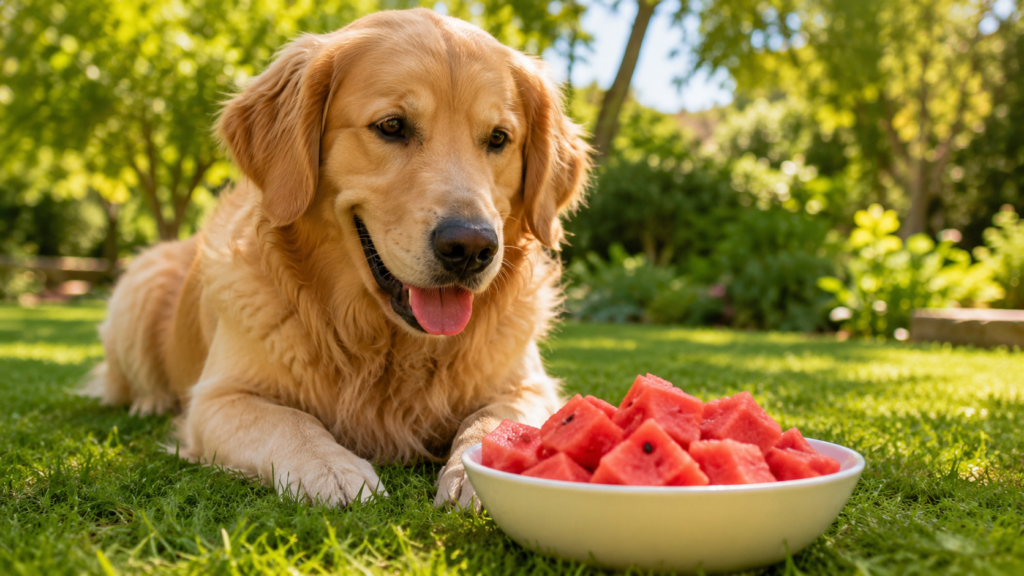
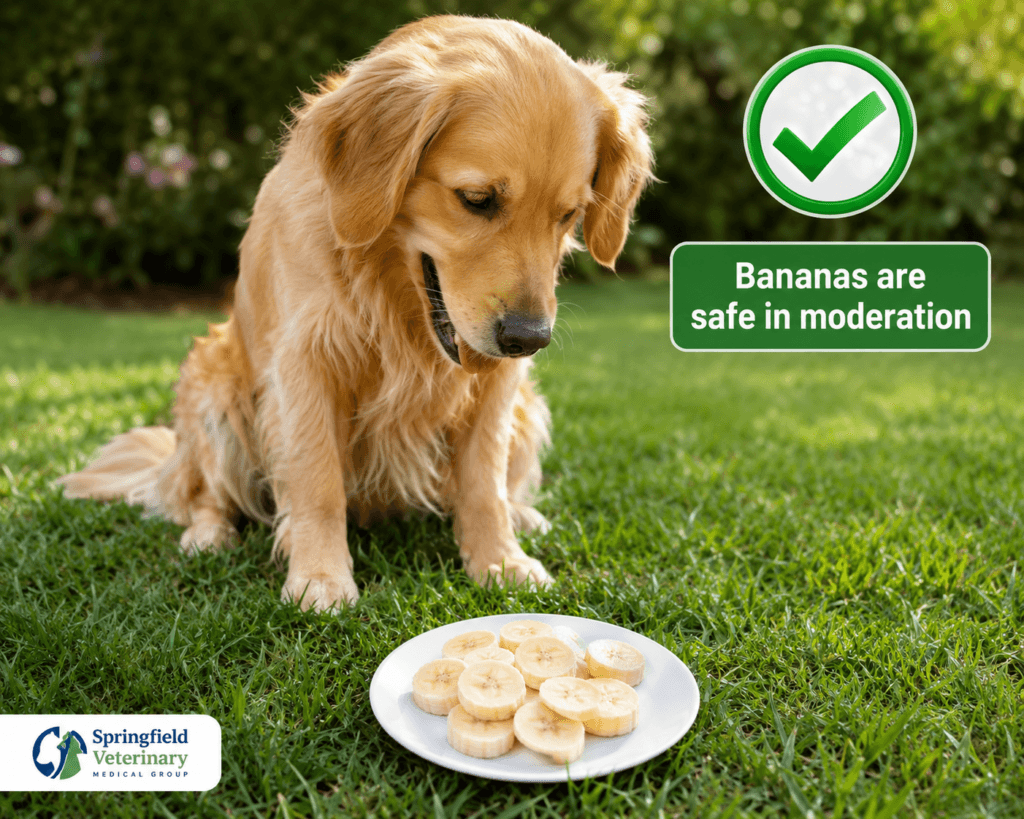
Many fruits are safe in moderation, including apples (without seeds), blueberries, strawberries, bananas, and watermelon. Always wash fruit thoroughly and remove any seeds, pits, or inedible parts before serving.
Key Takeaways
- Can dogs eat pineapple? Yes, fresh pineapple is safe for most healthy dogs when fed in moderation.
- Pineapple provides vitamin C, fiber, manganese, antioxidants, and bromelain.
- Always remove the skin and hard core before feeding.
- Fresh and frozen pineapple are safe; canned pineapple in syrup is not.
- Feed pineapple only as an occasional treat.
- Introduce new foods gradually and monitor your dog for digestive upset.
- Consult your veterinarian before feeding pineapple to dogs with diabetes or other medical conditions.
Final Conclusion
Can dogs eat pineapple? Absolutely. Fresh pineapple can be a healthy and delicious treat for most dogs when served correctly. It offers valuable nutrients, including vitamin C, fiber, manganese, and antioxidants, while its high water content makes it especially refreshing during warmer months.
The key to feeding pineapple safely is proper preparation. Remove the tough outer skin and hard center core, cut the fruit into bite-sized pieces, and serve it plain without added sugar or syrup. Because pineapple contains natural sugars, it should always be an occasional treat rather than a regular part of your dog’s diet.
When offered in moderation, fresh pineapple can be a tasty way to add variety to your dog’s snack routine while supporting a healthy lifestyle.
References
Link naturally to these trusted resources:
- American Kennel Club (AKC) – Dog nutrition and safe fruits
- ASPCA Animal Poison Control Center – Toxic foods and pet safety
- American Veterinary Medical Association (AVMA) – Veterinary health information
Pingback: Can Dogs Eat Mango? 9 Safe Feeding Tips -
Yes Dogs Eat both pineapple and mango
Pingback: Can Dogs Eat Coconut? Vet-Approved Benefits, Risks & Safe Feeding Guide (2026) - Warm Wag
> Thanks for stopping by! 😊 If you’re interested in learning whether pineapple is safe for dogs, we’ve covered everything you need to know in our detailed guide, including the benefits, risks, safe serving tips, and FAQs. 🍍🐶
>
> Read here: [https://warmwag.com/can-dogs-eat-pineapple/](https://warmwag.com/can-dogs-eat-pineapple/)
>
> We hope you find it helpful, and feel free to ask if you have any other dog nutrition questions! 🐾