

Fresh vs Frozen Mango
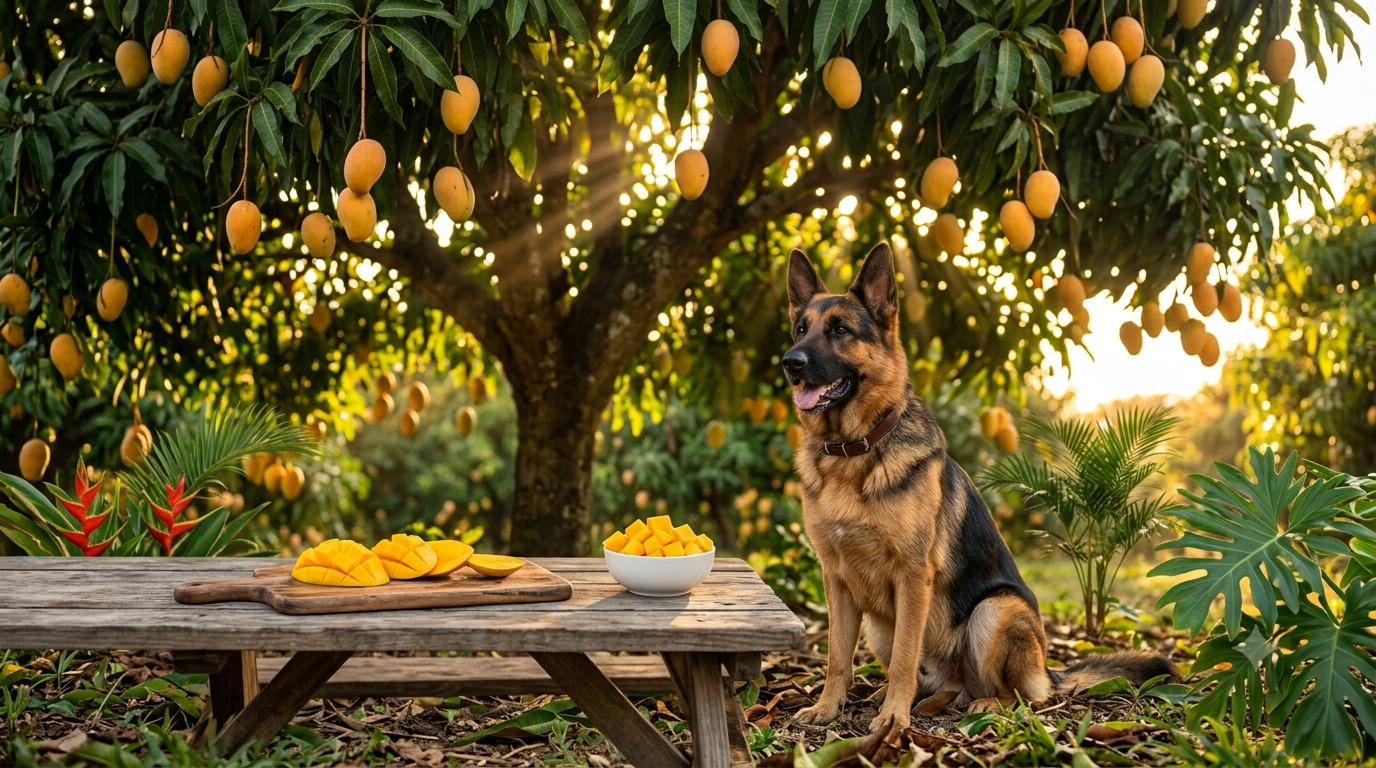
Both fresh and frozen mango can be safe for healthy dogs.
Frozen mango cubes are especially refreshing during hot weather, but they should always be served in moderation.
| Mango Type | Safe? | Notes |
|---|---|---|
| Fresh Mango |  Yes Yes | Best option |
| Frozen Mango | Yes | Great summer treat |
| Freeze-Dried Mango | Yes | Unsweetened only |
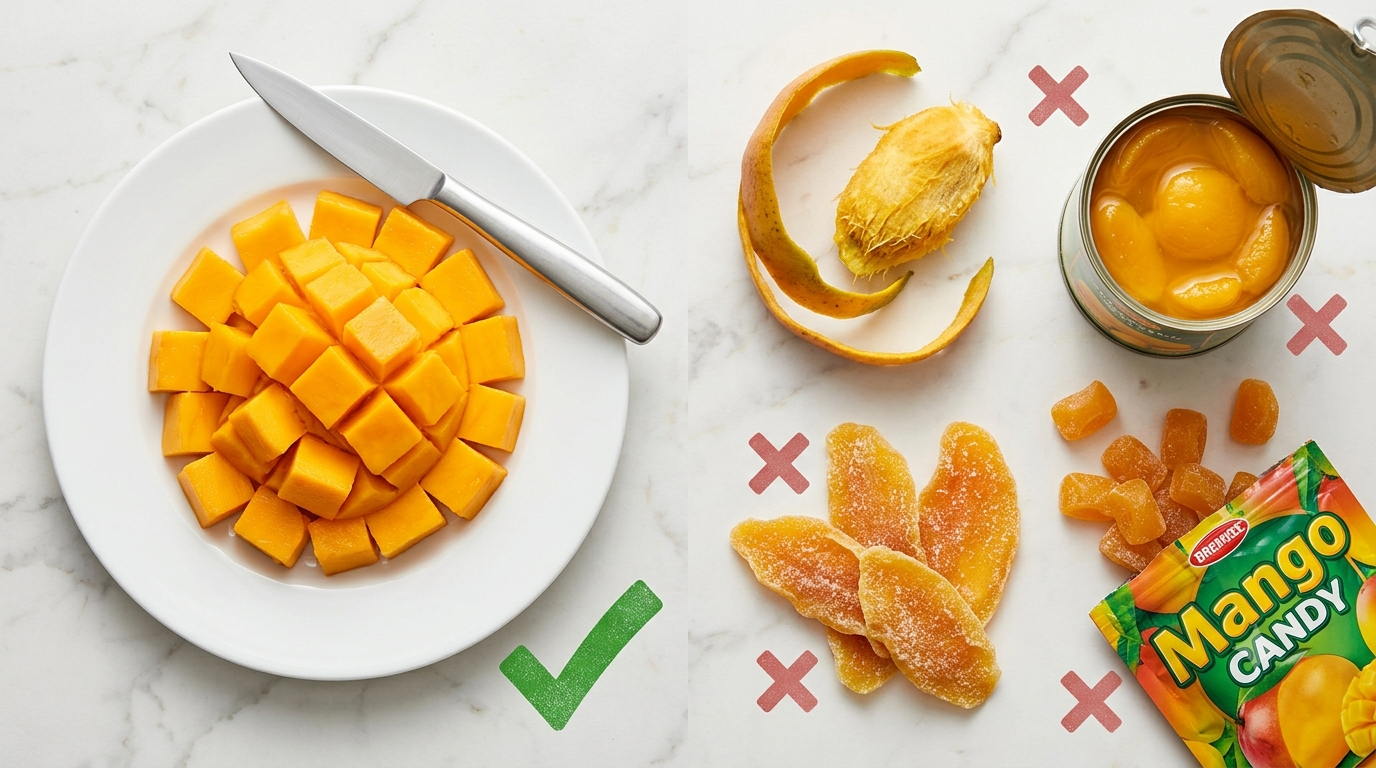
| Dried Mango |  Limited Limited | Often contains added sugar |
| Canned Mango |  No No | Usually packed in syrup |
| Mango Juice | No | Too much sugar |
| Mango Smoothie | No | Often contains dairy or sweeteners |
| Mango Candy | Never | High sugar and artificial ingredients |
Fresh ripe mango remains the healthiest choice.
How Much Mango Can Dogs Eat?
Although mango is nutritious, treats should make up no more than 10% of your dog’s daily calorie intake.
Recommended Serving Sizes
| Dog Size | Safe Serving |
|---|---|
| Extra Small (Under 10 lbs) | 1–2 small cubes |
| Small (10–20 lbs) | 2–4 cubes |
| Medium (20–50 lbs) | 4–6 cubes |
| Large (50–90 lbs) | 6–8 cubes |
| Giant (90+ lbs) | 8–10 cubes |
When introducing mango for the first time, always start with half of the recommended amount.

Can Diabetic Dogs Eat Mango?
Yes, but only with your veterinarian’s approval.
If your dog has diabetes, you may wonder can dogs eat mango safely. While mango contains valuable vitamins and antioxidants, it is also naturally higher in fruit sugar than many other dog-safe fruits.
For diabetic dogs:
- Feed only a few small cubes.
- Offer mango occasionally, not daily.
- Never feed canned mango or mango in syrup.
- Avoid dried mango with added sugar.
- Monitor your dog’s blood sugar as advised by your veterinarian.
When in doubt, ask your veterinarian before introducing any new fruit.
The Merck Veterinary Manual advises that dogs with medical conditions such as diabetes should follow individualized dietary recommendations from their veterinarian.
Official Website
https://www.merckvetmanual.com/
Which Dogs Should Avoid Mango?
Although fresh mango is safe for most healthy dogs, it may not be suitable for every pet.
Talk to your veterinarian before feeding mango if your dog has:
- Diabetes
- Obesity
- Pancreatitis
- Chronic digestive disease
- Food allergies
- Kidney disease
- Prescription diets
Every dog has unique nutritional needs.
Risks and Side Effects of Mango
Most dogs tolerate mango very well.
However, feeding too much mango can lead to digestive issues.
1. Upset Stomach
Large amounts of mango may cause:
- Vomiting
- Diarrhea
- Gas
- Mild stomach discomfort
Introduce mango slowly to reduce digestive upset.
2. Choking Hazard
The mango pit is one of the biggest risks.
It is:
- Large
- Hard
- Difficult to digest
Never allow your dog to chew or swallow the pit.
3. Too Much Sugar
Although mango contains natural sugars, eating too much may contribute to:
- Weight gain
- Digestive upset
- Blood sugar spikes in diabetic dogs
Feed only moderate portions.
4. Mango Skin
The thick skin is difficult to digest.
It may lead to stomach irritation or intestinal blockage if swallowed in large pieces.
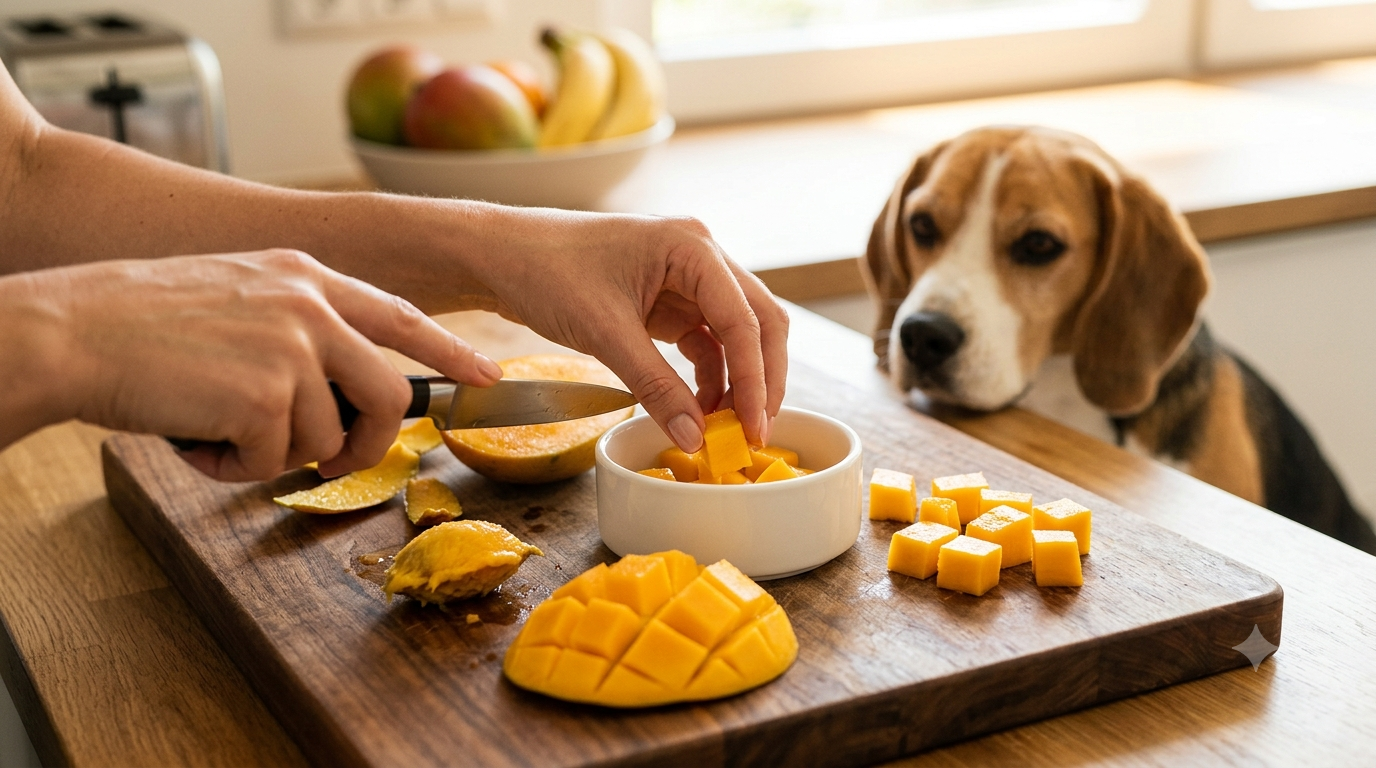
Always peel the mango completely.
Signs Your Dog Ate Too Much Mango
Watch for these symptoms after overeating mango:
- Loose stools
- Vomiting
- Excessive gas
- Lack of appetite
- Mild abdominal discomfort
- Lethargy
If symptoms become severe or continue for more than 24 hours, contact your veterinarian promptly.

If you’re comparing tropical fruits, our guide on Can Dogs Eat Pineapple? explains another healthy option and how to serve it safely.
Can Dogs Eat Pineapple?
Common Mistakes Dog Owners Make
Many owners know can dogs eat mango, but preparation mistakes are common.
Avoid these mistakes:
Feeding the mango pit
Leaving the skin on
Feeding canned mango
Giving mango in syrup
Offering dried mango with added sugar
Feeding too much at once
Giving spoiled or fermented mango
Replacing balanced dog food with fruit
Fresh ripe mango is always the safest choice.
Vet-Approved Safety Tips
Follow these expert recommendations whenever feeding mango to your dog.
Feed in Moderation
Treats should make up less than 10% of your dog’s daily calories.
Wash Before Preparing
Always wash the fruit thoroughly before peeling and cutting.
Peel Completely
Never allow dogs to eat the thick outer skin.
Remove the Pit
The pit is a serious choking hazard and should always be discarded immediately.
Store Properly
Keep leftover mango refrigerated in an airtight container for up to two days.
Discard fruit that has become overly soft, fermented, or moldy.
Always Supervise
Stay nearby while your dog eats mango, especially puppies and small breeds.
Quick Safety Checklist
Before serving mango, make sure:
The fruit is fresh and ripe.
The skin has been removed.
The pit has been removed.
The mango is cut into small cubes.
No sugar or syrup has been added.
The portion is appropriate for your dog’s size.
Following these simple steps will help your dog enjoy mango safely.

Frequently Asked Questions (FAQs)
1. Can dogs eat mango every day?
No. Although mango is safe, it contains natural sugars. Offer it only as an occasional treat, not as a daily snack.
2. Can puppies eat fresh mango?
Yes. Puppies can eat small pieces of peeled ripe mango after they have started eating solid food. Introduce it gradually and monitor for digestive upset.
3. Can dogs eat mango skin?
No. Mango skin is difficult to digest and may cause stomach upset or intestinal blockage. Always peel the fruit first.
4. Is the mango pit dangerous for dogs?
Yes. The large pit is a choking hazard and can cause an intestinal blockage if swallowed. Always remove it before serving mango.
5. Can dogs eat frozen mango?
Yes. Plain frozen mango cubes are safe in moderation and can be a refreshing treat during hot weather.
6. Is dried mango safe for dogs?
Only unsweetened dried mango in very small amounts. Most commercial dried mango contains added sugar and preservatives, so fresh mango is the better option.
7. How much mango can a dog eat?
The amount depends on your dog’s size. Small dogs should have only a few cubes, while larger dogs can enjoy slightly more. Treats should make up no more than 10% of your dog’s daily calories.
8. What other fruits are safe for dogs?
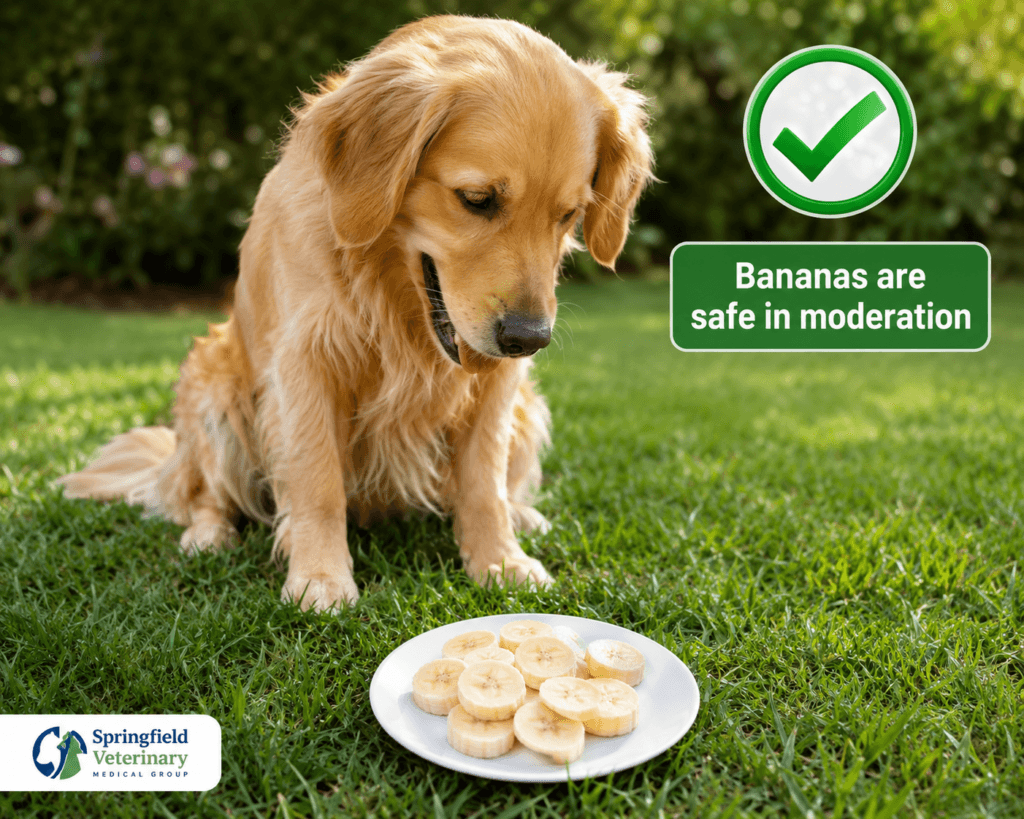
Dogs can safely enjoy apples (without seeds), blueberries, strawberries, bananas, watermelon, and pineapple when served in moderation and prepared properly.
Key Takeaways
 Can dogs eat mango? Yes, fresh ripe mango is safe for most healthy dogs.
- Always remove the skin and pit before feeding.
- Mango provides vitamins A, C, E, fiber, and antioxidants.
- Feed only in moderation because of its natural sugar content.
- Fresh and frozen mango are safe; canned or syrup-packed mango should be avoided.
- Introduce mango slowly and monitor your dog for digestive changes.
- Consult your veterinarian if your dog has diabetes or another medical condition.
Final Conclusion
Can dogs eat mango? Absolutely! Fresh, ripe mango can be a delicious and nutritious treat for most healthy dogs when prepared correctly. Packed with vitamins, antioxidants, fiber, and water, mango supports overall wellness while adding variety to your dog’s diet.
Remember to peel the fruit, remove the pit, cut it into bite-sized cubes, and serve it only in moderation. By following these simple precautions, your dog can safely enjoy this tropical fruit as an occasional reward.
If you’re building a healthier diet for your pet, mango is one of several dog-safe fruits that can be included alongside apples, blueberries, strawberries, bananas, watermelon, and pineapple.

Pingback: Can Dogs Eat Dragon Fruit? 9 Safe Feeding Tips - Warm Wag
Right .. Thanks
Pingback: Can Dogs Eat Oranges? 9 Healthy Facts Every Owner Should Know - Warm Wag
Thanks for reading! 😊 We’re glad you found our guide helpful. Be sure to check out our Can Dogs Eat Mango? guide for more helpful tips! 🐶🥭