
Can Dogs Eat Pears? 9 Vet-Approved Safety Tips ✅

Can Dogs Eat Pears
Fresh ripe pears can be a healthy treat for dogs when the seeds and core are removed.

Table of Contents

  • Can Dogs Eat Pears?
  • Are Pears Safe for Dogs?
  • Pear Nutrition Facts
  • 9 Vet-Approved Health Benefits
  • Can Puppies Eat Pears?
  • Fresh vs. Canned Pears
  • Serving Size Guide
  • How to Feed Pears Safely
  • Risks and Side Effects
  • FAQs
  • Final Verdict

Can Dogs Eat Pears?

Yes, dogs can eat pears in moderation when they are fresh, ripe, and properly prepared. If you’ve been wondering can dogs eat pears, the answer is yes—but only the flesh of the fruit should be offered. The seeds and core should always be removed because they can pose health risks.

Pears are naturally rich in dietary fiber, vitamin C, vitamin K, copper, and antioxidants. They are also high in water content, making them a refreshing snack during warmer months. When served correctly, pears can be a healthy alternative to processed dog treats while adding variety to your dog’s diet.

However, moderation is essential. Pears contain natural fruit sugars, so feeding too much at once may cause digestive upset or unnecessary calorie intake. Like any treat, pears should complement your dog’s balanced diet rather than replace it.

If your dog has never eaten pears before, introduce the fruit gradually. Start with one or two small cubes and observe your pet for 24 hours. Most healthy dogs tolerate pears well, but every dog is different, and some may have sensitive stomachs.

One of the biggest mistakes dog owners make is feeding the entire pear—including the seeds and core. While the juicy flesh is generally safe, the seeds contain trace amounts of cyanogenic compounds, and the hard core can become a choking hazard or cause digestive blockage.

When prepared properly, fresh pears can become one of the healthiest fruit treats your dog enjoys.

According to the American Veterinary Medical Association (AVMA), pet owners should avoid feeding fruits that contain pits or seeds capable of causing choking hazards or digestive blockages.

Are Pears Safe for Dogs?

Yes. Fresh pear flesh is considered safe for most healthy adult dogs. It contains valuable nutrients that can support overall wellness when offered occasionally.

The most important safety concern involves the pear seeds and core. Pear seeds contain trace amounts of naturally occurring cyanogenic compounds. Although swallowing one or two seeds accidentally is unlikely to cause poisoning, regularly feeding pears with the seeds intact is not recommended.

The hard core also presents a choking hazard, especially for puppies and small breeds, and can potentially lead to intestinal blockage if swallowed.

For the safest experience:

  • Wash pears thoroughly before serving.
  • Remove the stem.
  • Remove all seeds.
  • Cut away the core.
  • Slice the flesh into bite-sized cubes.
  • Serve plain without added sugar or seasonings.

Dogs with diabetes, obesity, or sensitive digestive systems should eat pears only after consulting their veterinarian because of the fruit’s natural sugar content.


Pear Nutrition Facts

Pears provide several nutrients that contribute to a healthy canine diet.

NutrientBenefit for Dogs
Vitamin CSupports immune health
Vitamin KSupports normal blood clotting
Dietary FiberPromotes healthy digestion
PotassiumSupports muscle and nerve function
CopperSupports metabolism
AntioxidantsHelp protect healthy cells
WaterSupports hydration

Although pears are nutritious, they should always remain an occasional treat rather than a daily food.

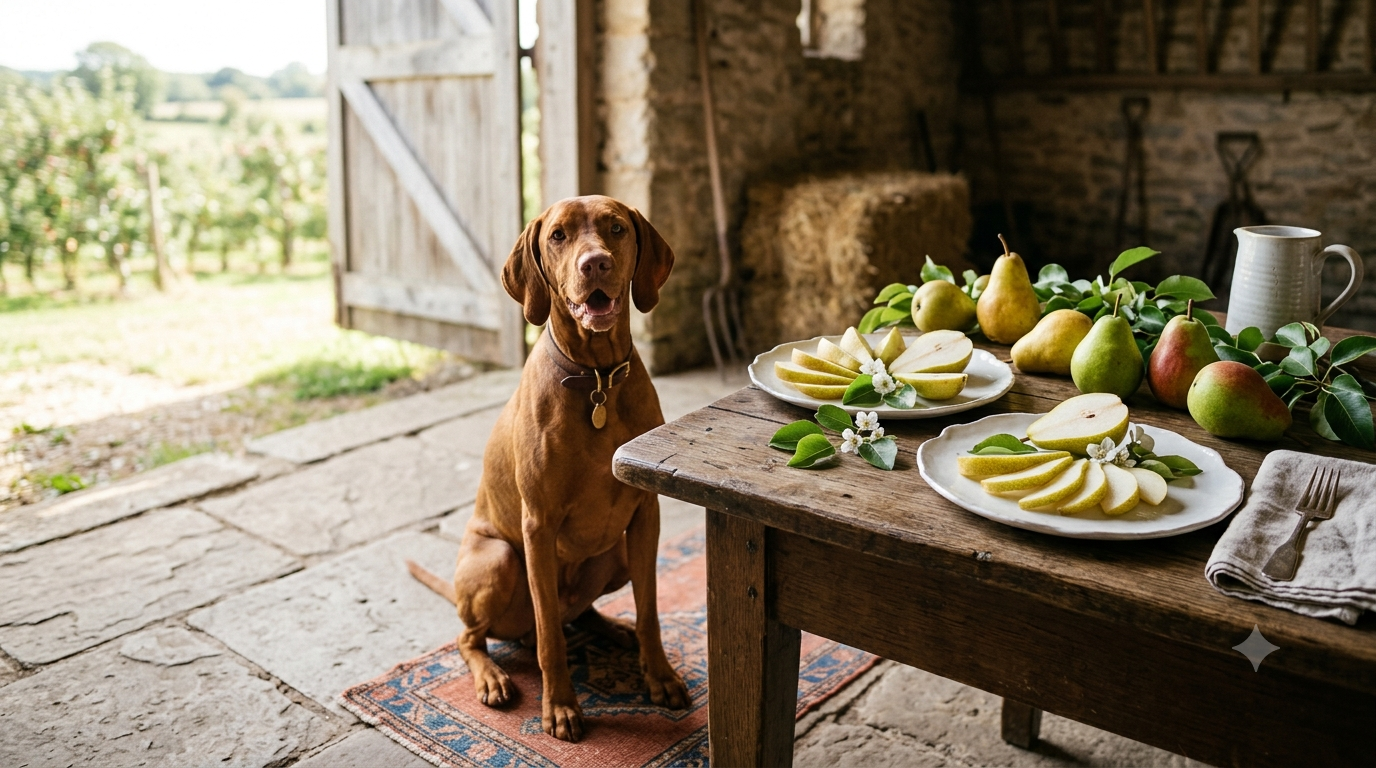
Vizsla with fresh pear slices
Fresh pears provide hydration, fiber, vitamins, and antioxidants for healthy dogs.

9 Vet-Approved Health Benefits of Pears

1. Supports Healthy Digestion

Pears are an excellent source of dietary fiber, which supports healthy digestion and regular bowel movements. Small amounts of fiber can help maintain a balanced digestive system while encouraging beneficial gut bacteria.

However, excessive fiber may lead to loose stools, so pears should always be introduced gradually.


2. Helps Keep Dogs Hydrated

Fresh pears are made up of nearly 84% water, making them an excellent hydrating snack.

On warm days, chilled pear cubes can provide a refreshing reward after walks, play sessions, or training.

Proper hydration supports healthy organ function, circulation, and temperature regulation.


3. Rich in Natural Antioxidants

Pears contain antioxidants that help protect healthy cells from oxidative stress caused by free radicals.

These compounds contribute to long-term health and support healthy aging when included as part of a balanced diet.

If your dog enjoys naturally sweet fruits, don’t miss our complete guide on Can Dogs Eat Peaches? to learn another safe and nutritious fruit option.

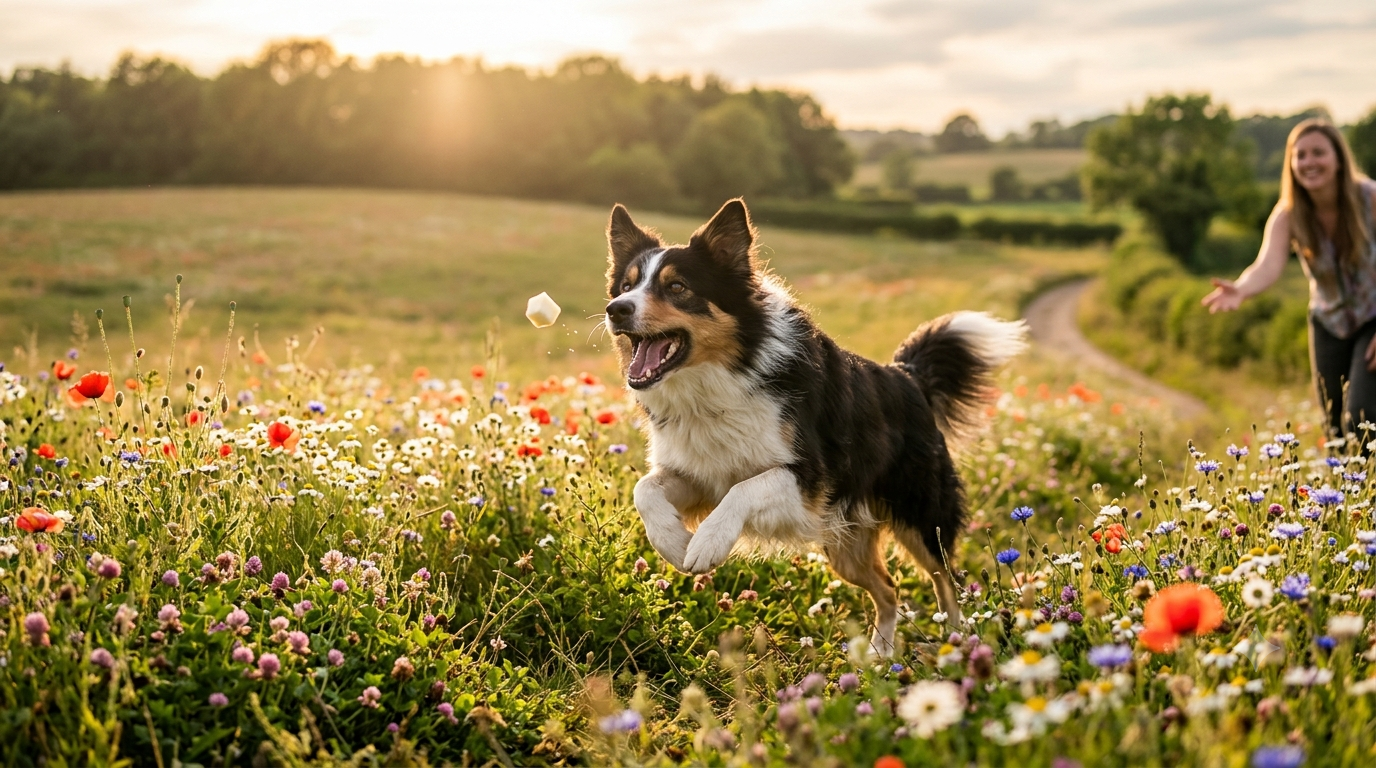
Border Collie enjoying fresh pear cubes
Fresh pear cubes make a refreshing and healthy reward during outdoor play.

4. Supports a Healthy Immune System

Pears contain vitamin C and other beneficial plant compounds that help support your dog’s immune system. While dogs naturally produce vitamin C, antioxidants from fresh fruits may provide additional nutritional support as part of a balanced diet.


5. Naturally Low in Fat

Fresh pears are naturally low in fat and cholesterol-free, making them a healthier alternative to many processed dog treats. When served in moderation, they offer natural sweetness without artificial flavors, preservatives, or unhealthy fats.

They are especially useful for pet owners looking for wholesome rewards during training or positive reinforcement sessions.

6. Supports Heart Health

Pears naturally contain potassium, an essential mineral that helps support normal muscle contractions, including the heart. Potassium also plays a role in maintaining healthy nerve function and fluid balance.

Although pears shouldn’t be considered a heart supplement, they can contribute beneficial nutrients when offered occasionally as part of a balanced diet.


7. Helps Maintain a Healthy Weight

Fresh pears are naturally low in fat and contain plenty of water and fiber. These qualities help dogs feel satisfied without consuming excessive calories.

If you’re replacing high-calorie commercial treats with fresh fruit, pears can be a healthier alternative when fed in moderation.

Remember that treats—including fruit—should make up no more than 10% of your dog’s daily calorie intake.


8. Encourages Healthy Treat Variety

Many dogs enjoy trying different textures and flavors. Rotating safe fruits like pears with apples, blueberries, peaches, and watermelon can provide enrichment while introducing a variety of nutrients.

Offering different healthy treats also helps prevent boredom during training sessions.


9. A Refreshing Snack During Warm Weather

Because pears contain a high percentage of water, chilled pear cubes can become an excellent summer treat after outdoor walks or playtime.

During hot weather:

  • Chill peeled pear cubes in the refrigerator.
  • Serve small bite-sized pieces.
  • Always provide fresh drinking water alongside fruit treats.

Never serve frozen whole pear slices that may become too hard for small dogs to chew safely.

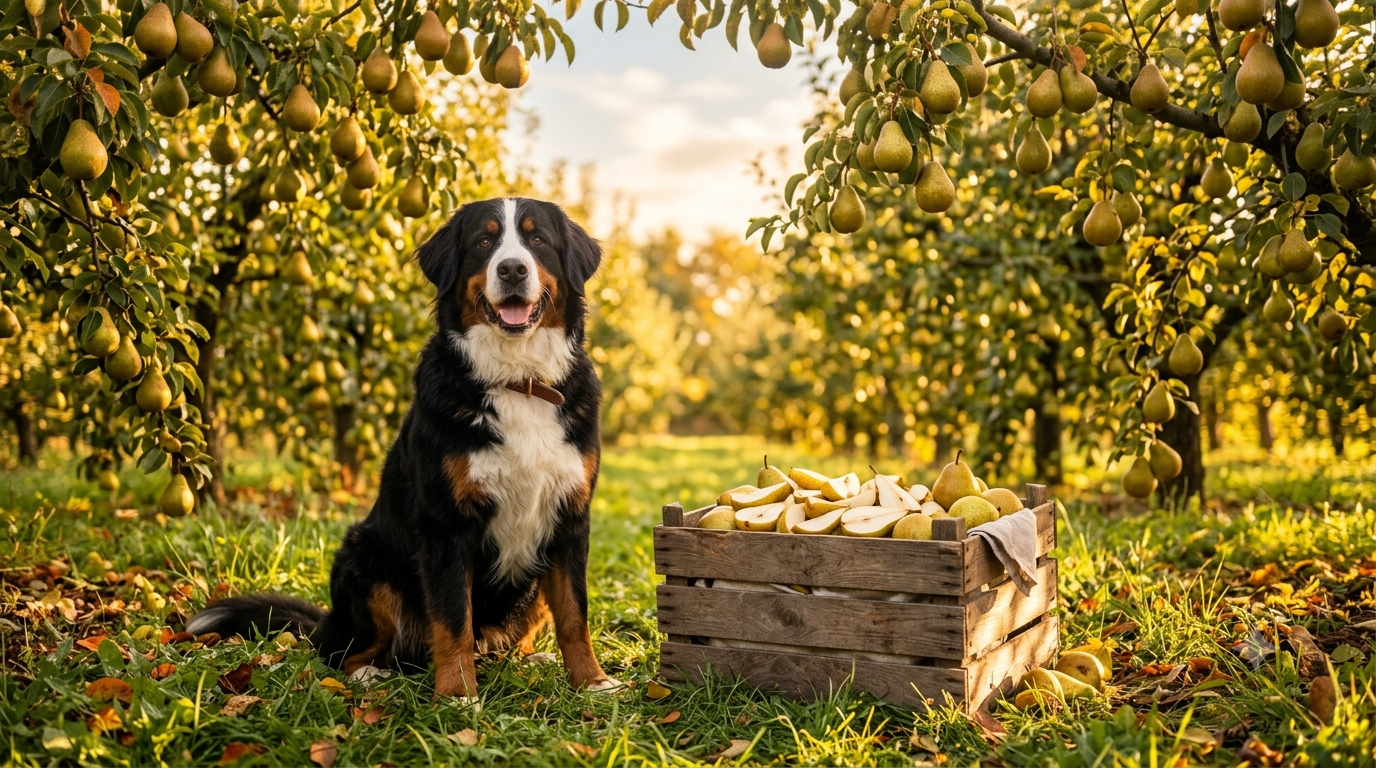
Dog enjoying chilled pear cubes
Chilled pear cubes make a refreshing summer snack for healthy dogs.

Can Puppies Eat Pears?

Yes, puppies can eat pears once they have transitioned to solid food, but only in very small amounts.

Puppies have developing digestive systems, so introducing any new fruit should be done gradually.

Before feeding pears to a puppy:

  • Wash the fruit thoroughly.
  • Remove the stem.
  • Remove all seeds.
  • Remove the core completely.
  • Peel if your puppy has a sensitive stomach.
  • Cut into tiny bite-sized cubes.

Offer only one or two pieces the first time and monitor your puppy for the next 24 hours.

If you notice vomiting, diarrhea, excessive gas, or changes in appetite, discontinue feeding pears and consult your veterinarian if symptoms continue.


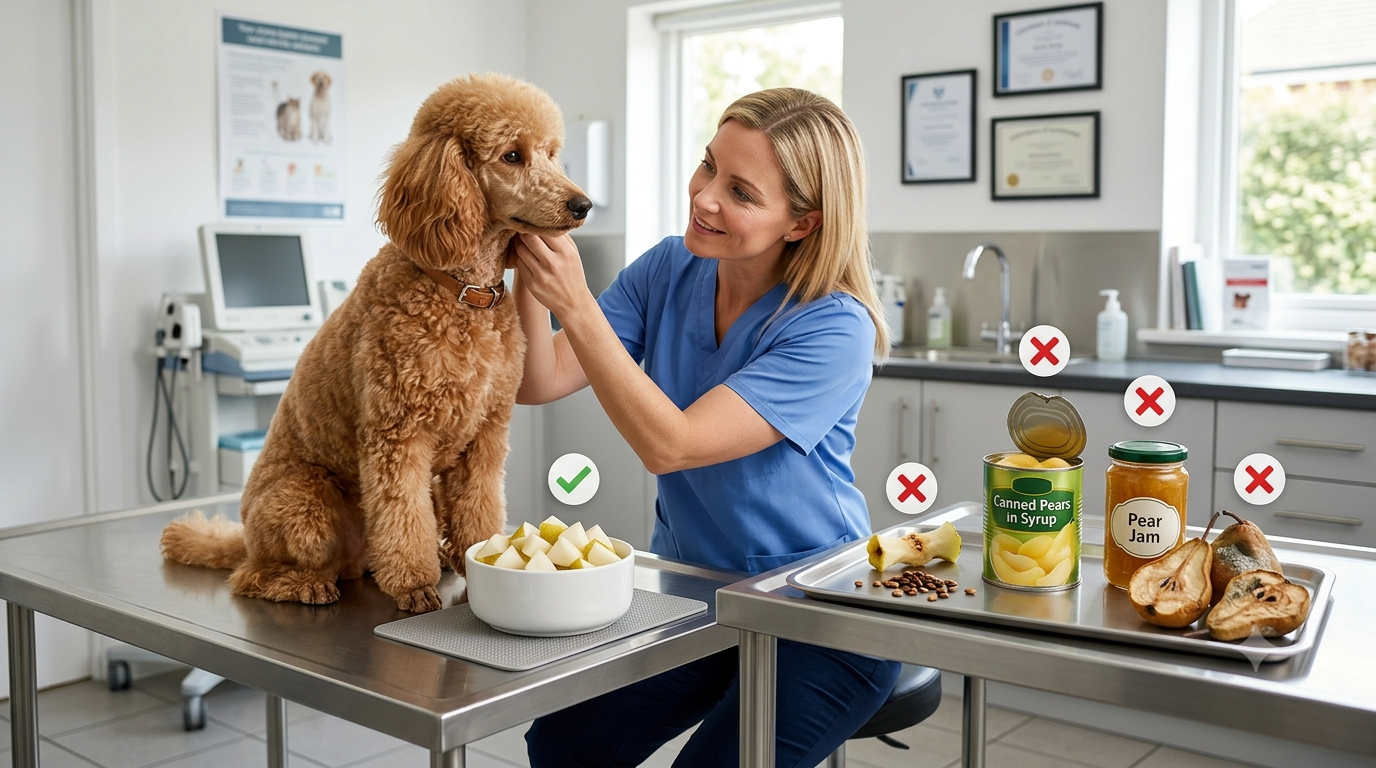
Fresh vs. Canned vs. Dried Pears

Not all pear products are equally safe.

Fresh pears are always the healthiest choice.

Pear ProductSafe?Recommendation
Fresh Pears✅ YesBest Choice
Frozen Pears✅ YesSmall Pieces Only
Freeze-Dried Pears (Unsweetened)✅ YesOccasionally
Canned Pears in Syrup❌ NoHigh Sugar
Pear Jam❌ NoAvoid
Pear Pie Filling❌ NeverUnsafe
Pear Candy❌ NeverAvoid

Choose plain, ripe pears without added sugar or preservatives.


How Much Pear Can Dogs Eat?

Moderation is the key to safely feeding pears.

Recommended Serving Sizes

Dog SizeSafe Serving
Extra Small1–2 small cubes
Small2–4 cubes
Medium4–6 cubes
Large6–8 cubes
Giant8–10 cubes

Feed pears once or twice per week as an occasional reward.
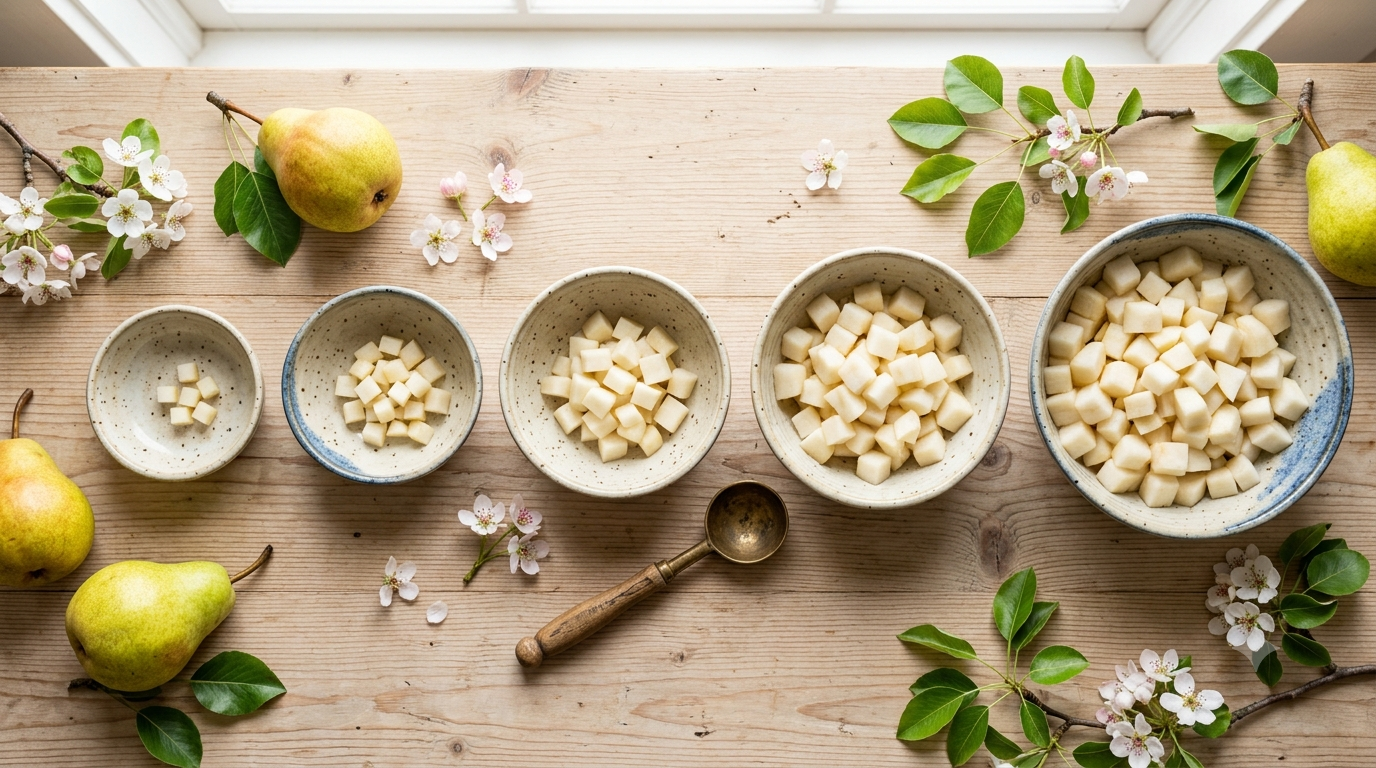
Pear serving size guide for dogs
Serve pears according to your dog's size and only in moderation.

How to Feed Pears Safely

Follow these steps every time you prepare pears for your dog.

1. Choose Fresh, Ripe Pears

Avoid bruised, moldy, or spoiled fruit.


2. Wash Thoroughly

Wash pears under running water to remove dirt and pesticide residue.


3. Remove the Stem, Core, and Seeds

This is the most important safety step.

Pear seeds contain naturally occurring cyanogenic compounds, and the hard core can become a choking or blockage hazard.


4. Peel If Needed

Most healthy dogs can digest pear skin, but peeling may be a better option for dogs with sensitive stomachs.


5. Cut Into Bite-Sized Cubes

Smaller pieces are safer and easier to chew, especially for puppies and small breeds.


6. Serve Plain

Never add:

  • Sugar
  • Honey
  • Chocolate
  • Artificial sweeteners
  • Syrup
  • Whipped cream

Fresh pears should always be served plain.


Risks and Side Effects

Most healthy dogs tolerate pears well.

However, feeding excessive amounts may cause:

  • Mild diarrhea
  • Vomiting
  • Gas
  • Stomach discomfort

The greatest risks involve swallowing the seeds or core.

If your dog accidentally swallows a large portion of the core or shows signs of choking, seek veterinary attention immediately.


Common Mistakes Dog Owners Make

Avoid these common errors:

❌ Feeding pears with the seeds

❌ Leaving the core attached

❌ Offering canned pears in syrup

❌ Feeding spoiled fruit

❌ Giving oversized slices

❌ Allowing dogs to chew the stem

Safe and unsafe pears for dogs
Only fresh pear flesh is safe. Always remove the seeds and core.

Frequently Asked Questions

1. Can dogs eat pears every day?

No. Pears should be an occasional treat rather than a daily food.

2. Can puppies eat pears?

Yes, but only small peeled pieces after they have started eating solid food.

3. Are pear seeds poisonous to dogs?

Pear seeds contain trace amounts of cyanogenic compounds, so they should always be removed before feeding.

4. Can dogs eat canned pears?

No. Most canned pears contain sugary syrup and are not recommended.

5. Is pear skin safe?

Yes, but peeling is often easier on dogs with sensitive stomachs.

6. Can diabetic dogs eat pears?

Because pears contain natural sugars, diabetic dogs should only eat them if approved by a veterinarian.

7. How often can dogs eat pears?

Once or twice per week in appropriate portions.

8. What should I do if my dog eats pear seeds?

One or two seeds are unlikely to cause serious problems, but monitor your dog closely. If a large quantity of seeds or the entire core is swallowed, contact your veterinarian promptly.


Key Takeaways

  • ✅ Fresh pear flesh is safe for most healthy dogs.
  • ✅ Always remove the seeds, stem, and core.
  • ✅ Feed pears in moderation.
  • ✅ Avoid canned pears and sugary products.
  • ✅ Cut pears into bite-sized pieces.
  • ✅ Introduce new fruits gradually.

Conclusion

Can dogs eat pears? Yes—fresh, ripe pears can be a healthy and refreshing treat when prepared properly. Their fiber, vitamins, antioxidants, and water content make them a nutritious occasional snack. The most important safety rule is to remove the seeds and core before serving, as these parts can present choking hazards and contain compounds that dogs should not consume.

When fed in moderation as part of a balanced diet, pears can become another safe fruit your dog enjoys while adding healthy variety to treat time.
Leave a Comment

Your email address will not be published. Required fields are marked *