Quick Answer
Can Dogs Eat Passion Fruit?
 No—Can Dogs Eat Passion Fruit is generally answered with NO by veterinarians.
Although the ripe pulp isn’t considered highly toxic, Can Dogs Eat Passion Fruit remains a concern because:
- Hard seeds may create choking hazards.
- The thick outer rind is difficult to digest.
- Unripe passion fruit contains naturally occurring cyanogenic compounds.
- Safer fruits provide the same nutritional benefits without the risks.
For these reasons, veterinary professionals generally recommend choosing safer fruits instead.
Table of Contents
- Can Dogs Eat Passion Fruit?
- Is Passion Fruit Safe for Dogs?
- Why Veterinarians Don’t Recommend Passion Fruit
- Can Dogs Eat Passion Fruit Seeds?
- Can Dogs Eat Passion Fruit Skin?
- Nutritional Value of Passion Fruit
- Health Risks
- Safe Fruit Alternatives
- Frequently Asked Questions
- Final Verdict
Is Passion Fruit Safe for Dogs?
The simple answer is no.
When asking Can Dogs Eat Passion Fruit, it’s important to understand that this tropical fruit is not listed among veterinarian-recommended fruits for dogs.
Unlike:
- Apples
- Blueberries
- Pears
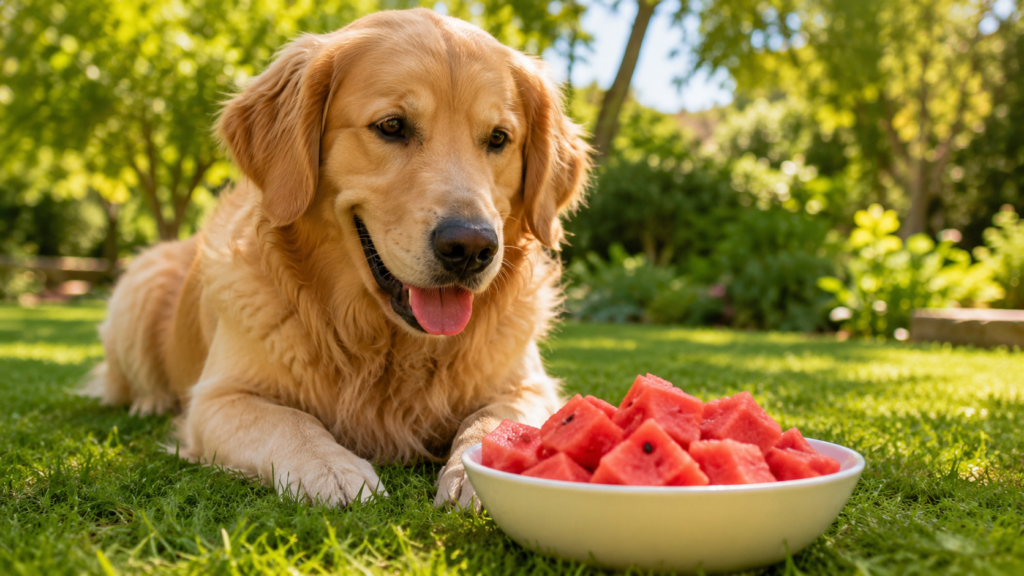
- Watermelon
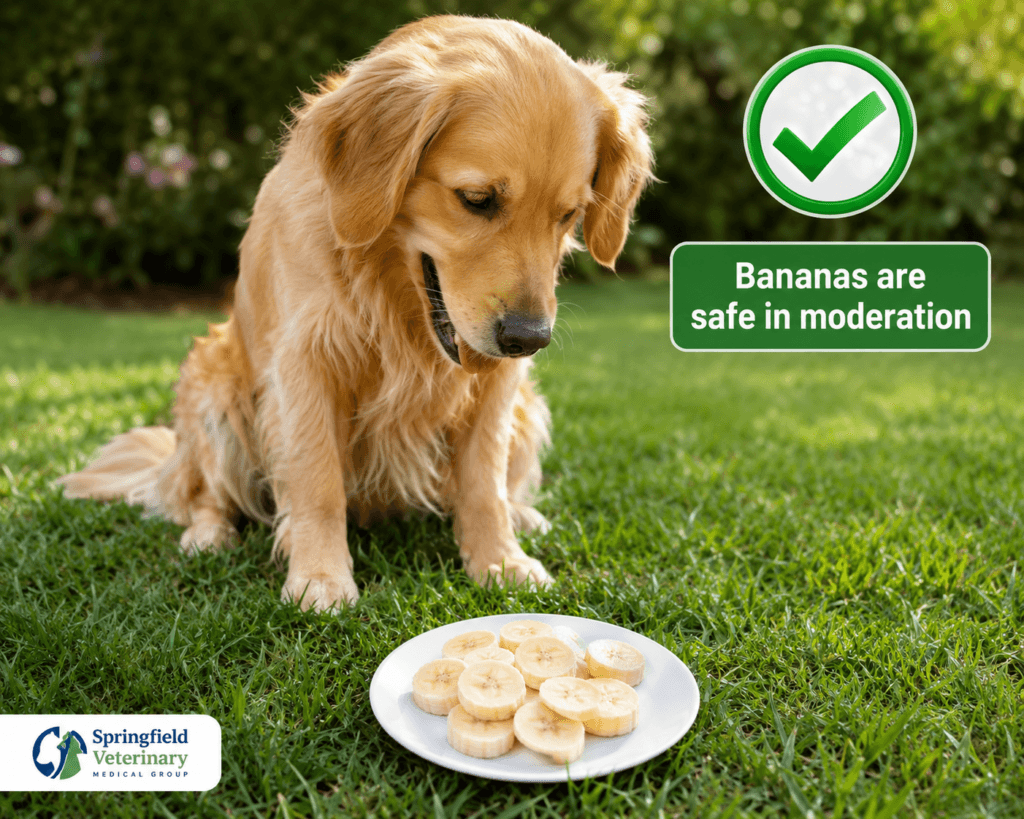
- Bananas
Passion fruit introduces several unnecessary risks.
The concern isn’t only the sweet pulp.
Dogs may accidentally consume:
- The seeds
- The thick rind
- The white membrane
- Unripe fruit
Each of these increases the likelihood of digestive problems or other complications.
Since dogs receive complete nutrition from balanced commercial diets, there’s no meaningful reason to expose them to these avoidable risks.
Why Don’t Veterinarians Recommend Passion Fruit?
Veterinary professionals discourage feeding passion fruit for several important reasons.
1. The Seeds Increase Risk
Each passion fruit contains dozens of hard black seeds.
Dogs typically swallow food quickly without chewing.
This may increase the risk of:
- Choking
- Digestive irritation
- Mild gastrointestinal discomfort
Small breeds and puppies are especially vulnerable.
2. The Thick Outer Rind Is Difficult to Digest
The outer shell is extremely fibrous.
If eaten, it may cause:
- Vomiting
- Diarrhea
- Abdominal discomfort
- Intestinal irritation
3. Unripe Passion Fruit Contains Naturally Occurring Toxic Compounds
Green, unripe passion fruit contains higher levels of cyanogenic glycosides, naturally occurring compounds capable of releasing cyanide during digestion.
Although serious poisoning is uncommon, veterinarians recommend avoiding the fruit altogether rather than taking unnecessary risks.


Does Passion Fruit Have Any Health Benefits for Dogs?
Technically, yes—but that doesn’t mean you should feed it.
When people search Can Dogs Eat Passion Fruit, they’re often surprised to learn that passion fruit is packed with nutrients. For humans, it’s considered a healthy tropical fruit.
However, Can Dogs Eat Passion Fruit safely isn’t determined only by its nutritional value.
Veterinarians evaluate both the benefits and the risks, and in the case of passion fruit, the risks clearly outweigh the advantages.
Dogs can receive the same nutrients from much safer fruits without exposure to hard seeds, thick rind, or potentially harmful compounds.
Nutritional Value of Passion Fruit
A ripe passion fruit naturally contains:
- Vitamin C
- Vitamin A
- Dietary Fiber
- Potassium
- Magnesium
- Iron
- Calcium
- Phosphorus
- Natural antioxidants
- Plant polyphenols
These nutrients support human health, but dogs already obtain them from complete, balanced commercial diets.
Potential Health Benefits (If Only the Ripe Pulp Were Consumed)
Although Can Dogs Eat Passion Fruit is generally answered with “No,” the ripe pulp contains nutrients worth understanding.
1. Rich in Antioxidants
Passion fruit contains antioxidants that help reduce oxidative stress.
These compounds may support:
- Healthy immune function
- Cell protection
- Healthy aging
However, dogs can obtain antioxidants more safely from blueberries and strawberries.
2. Contains Vitamin A
Vitamin A supports:
- Healthy eyesight
- Skin health
- Immune system function
Commercial dog food already supplies adequate Vitamin A.
3. Good Source of Dietary Fiber
Fiber helps maintain:
- Healthy digestion
- Regular bowel movements
- Healthy gut bacteria
Unfortunately, because passion fruit contains numerous seeds, safer fiber sources are preferred.
4. Contains Potassium
Potassium supports:
- Healthy muscles
- Nerve communication
- Heart function
Dogs generally receive sufficient potassium from balanced diets.
5. Naturally Low in Fat
The pulp contains very little fat.
However, this single benefit doesn’t outweigh the overall feeding risks.
Why Veterinarians Still Don’t Recommend Passion Fruit
Even though passion fruit contains vitamins and minerals, veterinarians continue advising against it because:
- The seeds remain attached to the pulp.
- The rind is difficult to digest.
- Unripe fruit may contain naturally occurring cyanogenic compounds.
- Numerous safer fruits provide similar nutrition.
For most dogs, passion fruit offers high risk with low reward.
Health Risks of Feeding Passion Fruit
The following risks explain why Can Dogs Eat Passion Fruit is usually answered negatively by veterinary professionals.
1. Digestive Upset
Even ripe pulp may trigger:
- Vomiting
- Diarrhea
- Gas
- Mild stomach pain
Dogs with sensitive digestive systems are especially vulnerable.
2. Choking Risk
Because passion fruit contains dozens of small seeds, dogs may accidentally inhale or choke while swallowing them quickly.
Small breeds face the highest risk.
3. Intestinal Irritation
Seeds and fibrous rind may irritate the stomach and intestines.
Signs include:
- Reduced appetite
- Loose stool
- Abdominal discomfort
4. Possible Intestinal Blockage
Although rare, consuming:
- Large amounts of rind
- Numerous seeds
may contribute to digestive obstruction.
Seek veterinary attention immediately if your dog develops:
- Repeated vomiting
- Constipation
- Painful abdomen
- Weakness
5. Toxicity From Unripe Fruit
Green passion fruit naturally contains more cyanogenic glycosides.
These compounds can release cyanide during digestion.
Although poisoning isn’t common, veterinarians strongly recommend avoiding all unripe passion fruit.
Which Dogs Should Never Eat Passion Fruit?
The answer to Can Dogs Eat Passion Fruit becomes an absolute No for dogs with certain medical conditions.
Avoid feeding passion fruit to:
Puppies
Higher choking risk.
Senior Dogs
More sensitive digestive systems.
Diabetic Dogs
Natural fruit sugars may interfere with blood glucose management.
Overweight Dogs
Extra calories provide little nutritional value.
Dogs With Sensitive Stomachs
Digestive upset is more likely.
Dogs Recovering From Surgery
Stick to veterinarian-approved diets.
Safe Fruits Veterinarians Recommend Instead
Instead of asking Can Dogs Eat Passion Fruit, choose fruits that veterinarians consistently recommend.
Excellent alternatives include:
 Apples (without seeds)
 Pears
Pears
 Blueberries
 Strawberries
 Watermelon
 Bananas
 Pineapple
 Mango (without pit)
These fruits provide similar nutrients while presenting far fewer health risks.

Final Verdict: Can Dogs Eat Passion Fruit?
After reviewing veterinary guidance, nutritional facts, and the potential health risks, we can confidently answer the question:
Can Dogs Eat Passion Fruit?
No—veterinarians generally do not recommend feeding passion fruit to dogs.
Although the soft pulp of a fully ripe passion fruit is not considered highly toxic, Can Dogs Eat Passion Fruit is still answered with No because the fruit presents unnecessary risks that outweigh its nutritional benefits.
The biggest concerns include:
- Hard seeds that may cause choking or digestive irritation
- Thick rind that is difficult to digest
- Unripe fruit containing naturally occurring cyanogenic compounds
- Higher chance of stomach upset compared to safer fruits
Since dogs can enjoy many healthier fruits without these concerns, there is simply no reason to include passion fruit in their regular diet.
If your dog accidentally eats a tiny amount of ripe pulp, serious illness is unlikely in most healthy dogs. However, if your dog consumes the rind, numerous seeds, or unripe fruit, you should contact your veterinarian immediately.
For most pet owners, the safest decision is simple:
Skip the passion fruit and choose veterinarian-approved fruits instead.
Quick Safety Summary
| Question | Answer |
|---|---|
| Can Dogs Eat Passion Fruit? |  No No |
| Can Dogs Eat Ripe Passion Fruit Pulp? |  Not Recommended Not Recommended |
| Can Dogs Eat Passion Fruit Seeds? | No |
| Can Dogs Eat Passion Fruit Rind? | Never |
| Can Dogs Eat Unripe Passion Fruit? | Never |
| Can Puppies Eat Passion Fruit? | No |
| Is Passion Fruit Toxic to Dogs? | Parts of the fruit may be harmful |
| Better Fruit Alternatives? |  Yes Yes |
When Should You Call Your Veterinarian?
If your dog eats passion fruit, monitor them closely.
Seek veterinary care immediately if you notice:
- Repeated vomiting
- Persistent diarrhea
- Difficulty breathing
- Choking
- Excessive drooling
- Trembling
- Weakness
- Severe abdominal pain
- Refusal to eat
- Bloody stool
- Collapse
Prompt treatment can prevent serious complications.
Safe Feeding Checklist
Instead of wondering Can Dogs Eat Passion Fruit, remember these simple rules:
Keep passion fruit out of your dog’s reach.
Never allow dogs to chew the rind.
Never feed the seeds intentionally.
Never offer unripe passion fruit.
Choose safer fruits recommended by veterinarians.
Veterinarian’s Recommendation
Veterinary nutrition professionals generally recommend avoiding passion fruit because there are significantly safer options available.
Better choices include:
- Apples (without seeds)
- Blueberries
- Watermelon
- Pears
- Bananas
- Strawberries
- Pineapple (fresh, plain)
These fruits provide vitamins, antioxidants, hydration, and fiber without exposing your dog to the avoidable risks associated with passion fruit.
Frequently Asked Questions
Can Dogs Eat Passion Fruit safely?
No. Although ripe pulp isn’t highly toxic, veterinarians generally do not recommend feeding passion fruit because of the seeds, rind, and unnecessary digestive risks.
Is passion fruit poisonous to dogs?
Ripe pulp is not considered highly poisonous, but the rind, seeds, and especially unripe fruit can create health problems.
Can Dogs Eat Passion Fruit seeds?
No.
The seeds may increase choking risk and contribute to digestive irritation.
Can Dogs Eat Passion Fruit skin?
Never.
The rind is difficult to digest and may cause stomach upset or intestinal blockage.
Can puppies eat passion fruit?
No.
Puppies have smaller airways and more sensitive digestive systems, making passion fruit an unsafe choice.
What happens if my dog eats passion fruit?
Small amounts of ripe pulp may only cause mild stomach upset.
However, eating seeds, rind, or unripe fruit increases the risk of digestive complications and requires closer monitoring.
Can diabetic dogs eat passion fruit?
No.
Veterinarians generally recommend avoiding passion fruit because safer fruits are available with fewer concerns.
Which fruits are safer than passion fruit?
Apples, pears, blueberries, strawberries, bananas, watermelon, and pineapple are much safer choices for healthy dogs.
Can Dogs Eat Passion Fruit every day?
No.
Veterinarians do not recommend feeding passion fruit at all.
Should I induce vomiting if my dog eats passion fruit?
No.
Never induce vomiting unless your veterinarian specifically instructs you to do so.
Veterinary Disclaimer
This article is for educational purposes only and should not replace professional veterinary advice.
Every dog has unique nutritional requirements based on age, breed, weight, medical history, and existing health conditions.
If your dog develops vomiting, diarrhea, choking, breathing difficulty, weakness, abdominal pain, tremors, or any unusual symptoms after eating passion fruit, contact your veterinarian or an emergency animal hospital immediately.