Quick Answer
Can Dogs Eat Figs?
 Yes.
Yes.
Healthy adult dogs can eat small amounts of fresh ripe figs as an occasional treat.
However:
 Avoid:
- Fig leaves
- Fig tree sap
- Large quantities of fresh figs
- Dried figs
- Fig Newton cookies
- Sweetened fig products
Fresh fruit is always the safest choice.
Table of Contents
- Can Dogs Eat Figs?
- Are Figs Safe for Dogs?
- Nutritional Value of Figs
- Health Benefits of Fresh Figs
- Can Dogs Eat Fresh Figs?
- Can Dogs Eat Fig Skin?
- Are Fig Leaves Dangerous?
- Safe Serving Guide
- FAQs
- Final Verdict
Are Figs Safe for Dogs?
Yes—but only fresh ripe fig flesh in moderation.
Figs are rich in natural nutrients that may support overall health.
However, they also contain:
- Natural sugars
- Dietary fiber
- Plant enzymes
These are harmless for many dogs in small portions but may cause digestive upset if consumed in excess.
The biggest concern isn’t usually the fruit itself.
It’s the fig plant.
Fig tree leaves, stems, and milky white sap contain substances that may cause irritation to both humans and dogs.
If your dog has access to a backyard fig tree, supervision is important.
Nutritional Value of Fresh Figs
Fresh figs contain several nutrients that contribute to a healthy diet.
These include:
- Vitamin A
- Vitamin K
- Vitamin B6
- Potassium
- Magnesium
- Calcium
- Copper
- Dietary Fiber
- Natural Antioxidants
- Water
Although these nutrients are beneficial, your dog should still receive the vast majority of nutrition from a balanced commercial dog food.
Fresh figs should remain an occasional treat—not a daily food.
Health Benefits of Fresh Figs for Dogs
When served correctly, fresh figs may provide several nutritional advantages.
1. Supports Healthy Digestion
Fresh figs are naturally rich in dietary fiber.
Fiber may help support:
- Healthy digestion
- Regular bowel movements
- Balanced gut bacteria
Too much fiber, however, can quickly lead to diarrhea.
2. Rich in Natural Antioxidants
Fresh figs contain antioxidants that help protect healthy body cells from oxidative stress.
These compounds may support:
- Healthy aging
- Immune function
- Overall wellness
3. Supports Bone Health
Figs naturally contain calcium and magnesium.
These minerals contribute to:
- Healthy bones
- Strong teeth
- Normal muscle function
Dogs already receive these minerals from complete diets, but fresh fruit provides additional variety.
4. Provides Natural Hydration
Fresh figs contain a high percentage of water.
During warm weather, chilled fig pieces can become a refreshing occasional snack.
Fresh water should always remain your dog’s primary source of hydration.
5. Naturally Fat-Free
Fresh figs contain very little fat.
Compared with processed human desserts, they’re a healthier occasional reward when fed responsibly.
Can Dogs Eat Fresh Figs?
Yes.
Fresh ripe figs are the safest form.
Before feeding:
 Wash thoroughly.
Remove the stem.
Cut into very small bite-sized pieces.
Feed only a few pieces.
Introduce figs slowly so you can monitor your dog’s digestive response.
Can Dogs Eat Fig Skin?
Generally, yes.
The skin itself isn’t toxic.
However:
- Wash thoroughly to remove dirt and pesticides.
- Some dogs digest peeled fruit more comfortably.
If your dog has a sensitive stomach, peeling the fig may reduce the chance of digestive upset.

Can Dogs Eat Fig Leaves?
If you’ve searched Can Dogs Eat Figs, you’ve probably seen warnings about the fig tree.
Those warnings are completely justified.
While fresh ripe fig flesh can be offered in small amounts, fig leaves should never be fed to dogs.
The leaves contain naturally occurring compounds and milky white sap that can irritate your dog’s:
- Mouth
- Lips
- Tongue
- Skin
- Eyes
- Stomach
Dogs that chew on fig tree leaves often experience irritation within a short period.
Why Are Fig Leaves Dangerous?
Fig trees produce a sticky white sap called latex.
This sap contains compounds such as:
- Ficin
- Psoralen
These substances can irritate both humans and animals.
Some dogs may only develop mild discomfort, while others experience much stronger reactions.
Symptoms After Eating Fig Leaves
Contact your veterinarian if your dog develops:
- Excessive drooling
- Pawing at the mouth
- Vomiting
- Diarrhea
- Mouth irritation
- Swollen lips
- Skin redness
- Loss of appetite
- Lethargy
Fortunately, most mild cases improve once exposure stops.
Can Dogs Eat Fig Tree Sap?
No.
The milky white sap found in:
- Leaves
- Branches
- Stems
can irritate your dog’s:
- Mouth
- Skin
- Digestive tract
Dogs that rub against broken branches may also develop skin irritation.
If sap contacts your dog’s skin:
- Wash the area with clean water.
- Prevent licking.
- Contact your veterinarian if irritation worsens.
Can Dogs Eat Dried Figs?
Generally, no.
Although dried figs don’t contain the irritating sap, they create different nutritional concerns.
Drying removes water while concentrating:
- Natural sugars
- Calories
Many packaged dried figs also contain:
- Added sugar
- Sulfites
- Artificial preservatives
These ingredients make dried figs a poor choice for dogs.
Fresh fruit remains the safest option.
Can Dogs Eat Fig Newtons?
No.
Many dog owners assume Fig Newton cookies are acceptable because they contain figs.
Unfortunately, they’re not.
Fig Newtons also contain:
- Refined flour
- Sugar
- Vegetable oils
- Salt
- Artificial ingredients
These ingredients provide no health benefits for dogs.
Cookies should never replace healthy treats.
Can Dogs Eat Fig Jam?
No.
Most commercial fig jams contain:
- Large amounts of sugar
- Artificial preservatives
- Flavorings
High sugar intake increases the risk of:
- Obesity
- Diabetes
- Dental disease
Stick with fresh ripe figs instead.
Can Dogs Eat Frozen Figs?
Yes—if they’re simply frozen fresh figs.
Frozen fruit can become a refreshing summer snack.
Before serving:
Thaw slightly.
Remove the stem.
Cut into small pieces.
Never feed large frozen chunks because they may create a choking hazard.
Can Puppies Eat Figs?
Most veterinarians recommend waiting before introducing figs.
Puppies have:
- Sensitive digestive systems
- Smaller airways
- Greater choking risk
If your veterinarian approves fruit treats, only offer a very tiny amount of fresh ripe flesh.
Never allow puppies access to:
- Fig leaves
- Fig stems
- Fig sap
- Dried figs
Can Senior Dogs Eat Figs?
Healthy senior dogs may occasionally enjoy fresh figs.
However, older dogs diagnosed with:
- Diabetes
- Kidney disease
- Digestive disorders
- Liver disease
should only receive figs after veterinary approval.
How Many Figs Can Dogs Eat?
Moderation is essential.
Because figs naturally contain sugar and fiber, overfeeding commonly causes digestive upset.
Safe Serving Guide
Extra Small Dogs
½ teaspoon chopped fig
Small Dogs
1 teaspoon
Medium Dogs
2 teaspoons
Large Dogs
1–2 tablespoons
Giant Breeds
Up to 2 tablespoons occasionally
Fresh fruit should remain less than 10% of daily calorie intake.
Can Dogs Eat Figs Every Day?
No.
Even though figs contain beneficial nutrients, daily feeding is unnecessary.
Too many figs may cause:
- Loose stools
- Gas
- Weight gain
- Digestive upset
- Excess calorie intake
Offer fresh figs only as an occasional reward.
What Happens If My Dog Eats Too Many Figs?
Most healthy dogs simply develop mild digestive upset.
Common symptoms include:
- Soft stools
- Diarrhea
- Vomiting
- Gas
- Reduced appetite
If symptoms continue beyond 24 hours—or your dog appears weak—contact your veterinarian.
Emergency: My Dog Ate Fig Leaves
If your dog chewed fig leaves:
Step 1
Remove all remaining plant material.
Step 2
Offer fresh drinking water.
Step 3
Watch for:
- Vomiting
- Excessive drooling
- Swollen lips
- Mouth irritation
Step 4
Call your veterinarian if symptoms worsen or your dog appears uncomfortable.

Health Benefits of Fresh Figs for Dogs
If you’ve been wondering Can Dogs Eat Figs because you’re looking for healthier alternatives to processed dog treats, fresh ripe figs can offer several nutritional benefits when served correctly.
However, remember one important rule:
Fresh figs should be considered an occasional healthy treat—not a daily part of your dog’s diet.
Dogs already receive complete nutrition from high-quality commercial dog food. Fresh fruit simply provides enrichment, hydration, and variety.
Let’s explore the science-backed benefits.
1. Rich in Dietary Fiber
Fresh figs are one of the highest-fiber fruits.
Fiber plays an important role in supporting:
- Healthy digestion
- Regular bowel movements
- Gut bacteria
- Stool consistency
Moderate amounts may help dogs with occasional constipation.
However, too much fiber can quickly cause diarrhea.
2. Excellent Source of Antioxidants
Fresh figs contain natural antioxidants including:
- Polyphenols
- Flavonoids
- Plant compounds
These antioxidants help protect healthy cells against oxidative stress.
Potential benefits include:
- Healthy aging
- Immune support
- Cellular protection
- Overall wellness
3. Supports Healthy Bones
Fresh figs naturally contain minerals including:
- Calcium
- Magnesium
- Phosphorus
These nutrients contribute to:
- Strong bones
- Healthy teeth
- Muscle contraction
- Nerve function
Although balanced dog food already supplies these minerals, fresh figs provide small additional amounts.
4. Helps Maintain Hydration
Fresh figs contain approximately 79–80% water.
During warm summer months they can become a refreshing occasional snack.
Remember:
Fresh fruit should never replace access to clean drinking water.
5. Potassium Supports Muscle Function
Fresh figs provide potassium.
Potassium supports:
- Muscle movement
- Heart function
- Fluid balance
- Healthy nerve communication
Dogs generally receive enough potassium through balanced diets, but natural fruit provides extra nutritional variety.
6. Naturally Low in Fat
Unlike many commercial snacks designed for humans, fresh figs contain very little fat.
When served properly, they become a healthier reward than foods such as:
- Cookies
- Candy
- Cakes
- Ice cream
- Fried snacks
Potential Risks of Feeding Too Many Figs
Even healthy foods become unhealthy when offered excessively.
Fresh figs are no exception.
Digestive Upset
The most common problem after eating too many figs is stomach upset.
Possible symptoms include:
- Diarrhea
- Vomiting
- Gas
- Stomach pain
- Soft stools
Dogs experiencing mild digestive upset usually recover after resting the stomach.
Persistent symptoms require veterinary attention.
Weight Gain
Although fresh figs are nutritious, they still contain calories.
Frequent fruit treats can gradually contribute to:
- Excess calorie intake
- Obesity
- Reduced activity
Remember the 10% Treat Rule.
All treats—including fruit—should account for no more than 10% of your dog’s daily calories.
High Natural Sugar
Fresh figs naturally contain more sugar than many other fruits.
Healthy dogs usually tolerate small portions well.
However, dogs diagnosed with:
- Diabetes
- Obesity
- Metabolic disease
should only receive figs after veterinary approval.
Which Dogs Should Avoid Figs?
Not every dog should eat figs.
Veterinarians commonly recommend avoiding figs for:
Puppies
Their digestive systems are still developing.
Dogs with Diabetes
Natural fruit sugars may affect blood glucose control.
Dogs with Sensitive Stomachs
Some dogs simply don’t tolerate high-fiber fruits well.
Dogs Recovering from Gastrointestinal Illness
Fruit should usually be avoided until recovery is complete.
Dogs with Known Fruit Allergies
Whenever introducing a new food, monitor carefully for reactions.
Signs Your Dog Doesn’t Tolerate Figs
Stop feeding figs immediately if your dog develops:
- Vomiting
- Diarrhea
- Excessive drooling
- Loss of appetite
- Abdominal discomfort
- Gas
- Restlessness
- Lethargy
Most reactions are mild, but persistent symptoms should always be evaluated by a veterinarian.
How to Prepare Fresh Figs Safely
Proper preparation greatly reduces risk.
Step 1
Choose ripe, fresh figs.
Avoid moldy, fermented, or damaged fruit.
Step 2
Wash thoroughly.
This removes:
- Dirt
- Pesticide residue
- Surface bacteria
Step 3
Remove the stem.
Discard it safely.
Step 4
Inspect carefully.
Ensure no leaves or plant material remain attached.
Step 5
Cut into very small cubes.
Small pieces reduce choking risk.
Step 6
Introduce slowly.
Offer only one or two small pieces the first time.
Monitor your dog for 24 hours.
Healthy Fruits That Pair Well With Figs
If your veterinarian approves occasional fruit treats, consider rotating safe options instead of feeding the same fruit repeatedly.
Examples include:
- Apples (without seeds)
- Pears
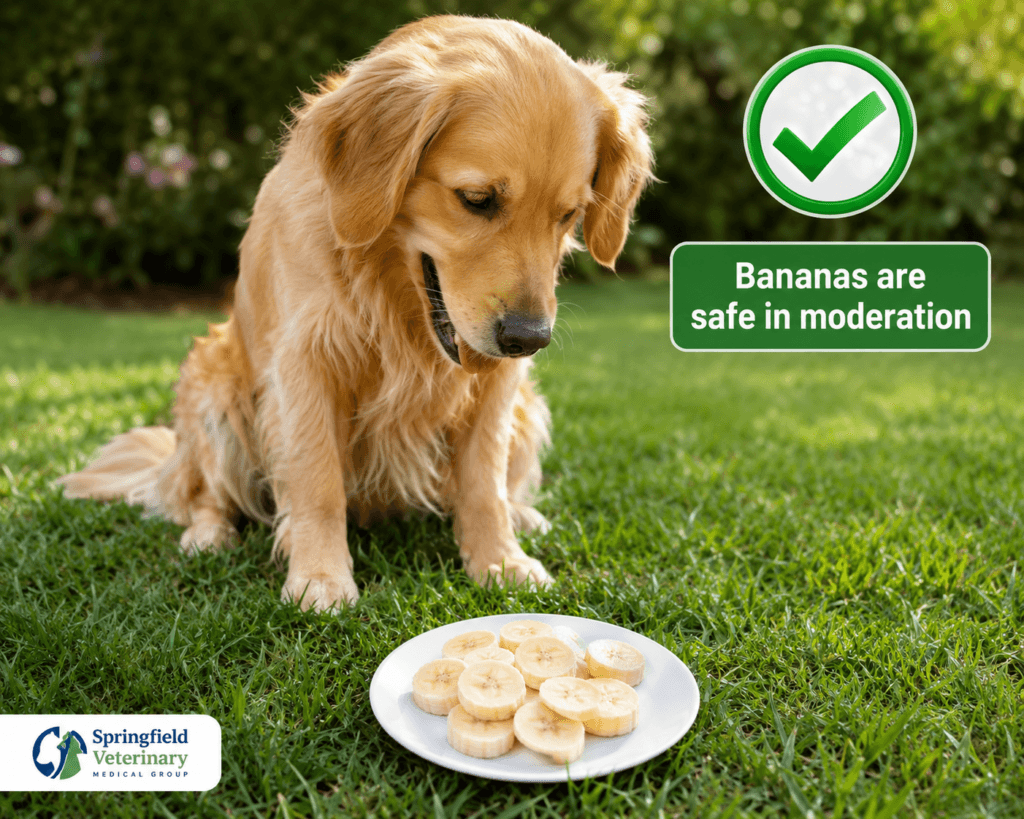
- Bananas
- Blueberries
- Strawberries
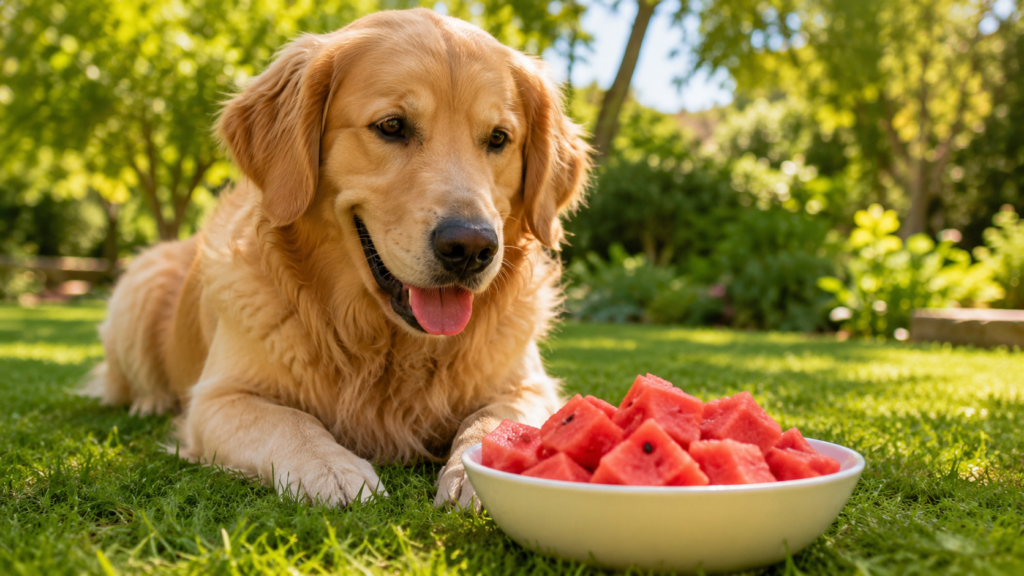
- Watermelon
- Pineapple
- Apricots
- Nectarines
 Apples (without seeds)
 Pears
Pears Bananas
 Blueberries
 Strawberries
 Watermelon
 Pineapple
 Apricots
Rotating safe fruits creates dietary variety while reducing excessive sugar intake from any one source.

Final Verdict: Can Dogs Eat Figs?
After reviewing the nutritional benefits, veterinary recommendations, and potential risks, we can confidently answer the question:
Can Dogs Eat Figs?
Yes—but only fresh, ripe figs in small amounts as an occasional treat.
Fresh figs contain beneficial nutrients such as dietary fiber, potassium, calcium, magnesium, antioxidants, and vitamins that may support your dog’s overall health when served correctly.
However, moderation is essential.
While the fruit itself is generally safe, fig leaves, stems, and the milky sap from the fig tree should never be given to dogs. These parts may cause mouth irritation, skin reactions, vomiting, or digestive upset.
Likewise, processed fig products such as Fig Newtons, dried figs with added sugar, and fig jam are not suitable for dogs because they contain excessive sugar and unnecessary ingredients.
When prepared properly, fresh figs can become another healthy addition to your dog’s occasional fruit rotation alongside apples, pears, blueberries, strawberries, bananas, and watermelon.
Quick Safety Summary
| Question | Answer |
|---|---|
| Can Dogs Eat Figs? | Yes |
| Can Dogs Eat Fresh Figs? | Yes |
| Can Dogs Eat Fig Skin? | Yes |
| Can Dogs Eat Dried Figs? | No |
| Can Dogs Eat Fig Newtons? | No |
| Can Dogs Eat Fig Jam? | No |
| Can Dogs Eat Fig Leaves? | Never |
| Can Puppies Eat Figs? |  Very Small Amounts Only (Vet Approval Recommended) Very Small Amounts Only (Vet Approval Recommended) |
| Daily Treat? | No |
When Should You Contact Your Veterinarian?
Seek veterinary advice immediately if your dog:
- Ate fig leaves or stems
- Chewed on a fig tree
- Shows excessive drooling
- Begins vomiting repeatedly
- Develops diarrhea lasting more than 24 hours
- Refuses food
- Appears weak or lethargic
- Has swelling around the mouth
- Experiences difficulty breathing
Prompt treatment helps prevent more serious complications.
Safe Feeding Checklist
Before feeding figs, always follow this checklist:
Choose fresh, ripe figs only.
Wash thoroughly.
Remove the stem completely.
Inspect carefully for leaves or sap.
Cut into very small bite-sized pieces.
Introduce slowly.
Feed only occasionally.
Monitor your dog after introducing any new fruit.
Veterinary Recommendation
Veterinary nutrition experts generally agree that fresh figs may be offered as an occasional healthy snack for most healthy adult dogs.
However, dogs diagnosed with:
- Diabetes
- Obesity
- Chronic digestive disease
- Kidney disease
- Food allergies
should only eat figs after consulting their veterinarian.
Remember:
Fresh fruit should supplement a complete canine diet—not replace it.
Frequently Asked Questions
Can dogs eat figs safely?
Yes. Fresh ripe figs are generally safe when fed in small amounts after washing and removing the stem.
Are figs poisonous to dogs?
The fruit is not poisonous.
However, fig leaves, stems, and sap may irritate dogs and should never be eaten.
Can puppies eat figs?
Very small amounts of fresh ripe fig may be acceptable with veterinary approval, but puppies have sensitive digestive systems and should be introduced cautiously.
Can dogs eat dried figs?
No.
Dried figs usually contain concentrated sugar and preservatives that are not recommended for dogs.
Can dogs eat Fig Newton cookies?
No.
Fig Newtons contain sugar, refined flour, oils, and other ingredients that are unhealthy for dogs.
Can dogs eat fig leaves?
No.
Fig leaves and their sap may cause irritation to the mouth, skin, and digestive tract.
How much fig can I give my dog?
Only a few bite-sized pieces occasionally.
Treats should never exceed 10% of your dog’s daily calorie intake.
Can diabetic dogs eat figs?
Only under veterinary supervision because figs naturally contain sugar.
What happens if my dog eats too many figs?
Overeating figs may cause:
- Vomiting
- Diarrhea
- Gas
- Stomach upset
If symptoms persist, contact your veterinarian.
Are figs healthier than processed dog treats?
Fresh figs can be a healthier occasional alternative because they contain natural nutrients instead of refined sugars and artificial ingredients.
Veterinary Disclaimer
This article is intended for educational purposes only and should not replace professional veterinary advice.
Every dog is unique. Age, breed, weight, medical history, medications, allergies, and existing health conditions may affect how your dog reacts to certain foods.
If your dog develops vomiting, diarrhea, excessive drooling, difficulty breathing, or any unusual symptoms after eating figs or fig tree leaves, seek veterinary care immediately.