Quick Answer
Can Dogs Eat Walnuts?
 No. Veterinarians do not recommend feeding walnuts to dogs.
Walnuts may cause:
- Choking
- Vomiting
- Diarrhea
- Pancreatitis
- Intestinal blockage
- Mold toxicity
- Neurological symptoms
The biggest concern is moldy walnuts, which may contain dangerous mycotoxins capable of causing tremors and seizures.
Because safer treats are widely available, walnuts should never become part of your dog’s regular diet.
Table of Contents
- Can Dogs Eat Walnuts?
- Are Walnuts Safe for Dogs?
- English Walnuts vs. Black Walnuts
- Why Walnuts Are Dangerous
- Symptoms of Walnut Poisoning
- Emergency Treatment
- Safe Alternatives
- Frequently Asked Questions
- Final Verdict
Are Walnuts Safe for Dogs?
The simple answer is:
No, walnuts are not considered safe for dogs.
When owners search Can Dogs Eat Walnuts, they’re often referring to the common English walnut found in grocery stores.
Even these are not recommended.
Dogs cannot digest walnuts efficiently, and their high fat content places unnecessary stress on the digestive system.
More importantly, walnuts that have fallen from trees or been stored improperly can develop mold.
This mold produces mycotoxins, which can be extremely dangerous for dogs.
English Walnuts vs. Black Walnuts
Not all walnuts carry the same level of risk.
English Walnuts
- Less toxic than Black Walnuts
- Still difficult to digest
- May cause stomach upset
- Mold remains a serious concern
Black Walnuts
Black walnuts are significantly more dangerous.
They may cause:
- Severe gastrointestinal illness
- Tremors
- Muscle weakness
- Neurological symptoms
- Emergency veterinary visits
If you’re wondering Can Dogs Eat Walnuts from your backyard tree, assume they are unsafe until identified by an expert.
Why Veterinarians Recommend Avoiding Walnuts
Veterinary experts discourage walnuts for several reasons.
1. High Fat Content
Walnuts contain large amounts of fat.
Excess fat may trigger pancreatitis—a painful condition requiring immediate veterinary care.
2. Choking Hazard
Whole walnuts are hard and large enough to become lodged in a dog’s throat, particularly in puppies and small breeds.
3. Poor Digestibility
Dogs struggle to break down walnuts properly.
This frequently results in:
- Vomiting
- Diarrhea
- Gas
- Stomach pain

Why Are Walnuts Dangerous for Dogs?
 Why Are Walnuts Dangerous for Dogs?
When dog owners search Can Dogs Eat Walnuts, they’re often surprised to learn that the biggest danger isn’t just the walnut itself—it’s what can grow on it.
Fresh walnuts already pose digestive risks, but old, moldy, or black walnuts can become a veterinary emergency.
Veterinarians discourage walnuts because they may cause:
- Digestive upset
- Choking
- Intestinal blockage
- Pancreatitis
- Mold poisoning (Mycotoxins)
- Neurological symptoms
This is why the answer to Can Dogs Eat Walnuts remains No.
Walnut Risk Level for Dogs
 Walnut Risk Level for Dogs
| Walnut Type | Safe? | Risk Level |
|---|---|---|
| Fresh English Walnuts |  No No | Medium |
| Black Walnuts | No | Very High |
| Moldy Walnuts |  Never Never | Extreme |
| Salted Walnuts | No | High |
| Chocolate-Coated Walnuts | Never | Extreme |
| Flavored Walnuts | No | High |
The Biggest Danger: Moldy Walnuts
This is the reason veterinarians worry the most.
Walnuts that fall from trees or remain outdoors often develop mold.
Certain molds produce tremorgenic mycotoxins.
These toxins may cause:
- Muscle tremors
- High fever
- Vomiting
- Weakness
- Difficulty walking
- Seizures
Symptoms may begin within only a few hours.
If your dog eats moldy walnuts, contact your veterinarian immediately.
Can Walnuts Cause Neurological Problems?
 Can Walnuts Cause Neurological Problems?
Yes.
Mycotoxins can affect the nervous system.
Possible neurological signs include:
- Loss of balance
- Muscle twitching
- Trembling
- Seizures
- Confusion
- Collapse
Dogs showing these symptoms require emergency veterinary treatment.
Can Walnuts Cause Pancreatitis?
 Can Walnuts Cause Pancreatitis?
Another major reason Can Dogs Eat Walnuts is answered with No is their very high fat content.
Too much dietary fat may inflame the pancreas.
Symptoms include:
- Severe vomiting
- Loss of appetite
- Painful abdomen
- Fever
- Weakness
- Dehydration
Pancreatitis can become life-threatening without prompt treatment.
Which Dogs Are at the Highest Risk?
 Which Dogs Are at the Highest Risk?
Some dogs are more likely to develop serious complications.
Puppies
Their small digestive tract makes choking and blockage much more likely.
Small Breeds
Whole walnuts can easily become lodged in the throat or intestines.
Senior Dogs
Older dogs often digest fatty foods poorly.
Overweight Dogs
Fat-rich foods increase pancreatitis risk.
Dogs With Digestive Disorders
Even small amounts may trigger vomiting or diarrhea.
Symptoms to Watch For
 Symptoms to Watch For
If your dog accidentally eats walnuts, monitor for these warning signs.
| Mild Symptoms | Serious Symptoms |
| Vomiting | Tremors |
| Diarrhea | Seizures |
| Gas | Difficulty walking |
| Drooling | Collapse |
| Loss of appetite | Difficulty breathing |
| Mild stomach pain | Persistent vomiting |
If symptoms worsen, seek veterinary care immediately.
What Should You Do If Your Dog Eats Walnuts?
 What Should You Do If Your Dog Eats Walnuts?
 Step 1
Stay calm.
Determine:
- What type of walnut?
- Fresh or moldy?
- Plain or flavored?
- Approximately how many?
Step 2
Remove all remaining walnuts.
Prevent additional consumption.
Step 3
Offer fresh drinking water.
Step 4
Monitor closely for:
- Vomiting
- Tremors
- Weakness
- Choking
- Diarrhea
Step 5
Call your veterinarian immediately if:
- Multiple walnuts were eaten.
- The walnuts were moldy.
- Black walnuts were consumed.
- Neurological symptoms appear.

Emergency Decision Chart
| Situation | Action |
| One fresh walnut | Monitor for 24 hours |
| Multiple fresh walnuts | Call your veterinarian |
| Moldy walnuts | Emergency veterinary visit |
| Chocolate walnuts | Emergency immediately |
| Black walnuts | Contact veterinarian immediately |
| Tremors or seizures | Emergency hospital |
Do Walnuts Offer Any Health Benefits for Dogs?
 Do Walnuts Offer Any Health Benefits for Dogs?
Many pet owners search Can Dogs Eat Walnuts because walnuts are often called a superfood for humans.
Walnuts are naturally rich in:
- Omega-3 fatty acids
- Vitamin E
- Copper
- Magnesium
- Protein
- Healthy fats
- Antioxidants
At first glance, they seem like an excellent snack.
However…
Dogs are not humans.
Their digestive system processes walnuts very differently.
While humans benefit from walnuts, dogs usually experience far more risks than rewards.
That is exactly why veterinarians answer Can Dogs Eat Walnuts with a clear No.
Human Benefits vs Dog Risks
Nutritional Breakdown of Walnuts
| Nutrient | Good for Humans | Recommended for Dogs? |
|---|---|---|
| Omega-3 Fatty Acids |  Yes Yes | Better sources available |
| Vitamin E | Yes | Dog food already provides enough |
| Healthy Fats | Yes | Too much fat for dogs |
| Protein | Yes | Dogs digest animal protein better |
| Fiber | Yes |  Limited benefit Limited benefit |
Why the Risks Outweigh the Benefits
Although walnuts contain nutrients, veterinarians still advise against feeding them because they may cause:
Vomiting
Diarrhea
Intestinal blockage
Choking
Pancreatitis
Mold poisoning
Instead of asking Can Dogs Eat Walnuts, it’s much safer to choose treats designed for canine digestion.
Healthy Alternatives to Walnuts
 Healthy Alternatives to Walnuts
The good news is that your dog can still enjoy nutritious snacks—just not walnuts.
Veterinarian-Approved Choices
 Veterinarian-Approved Choices
| Safe Treat | Why It’s Better |
 Blueberries Blueberries | Rich in antioxidants |
 Carrots Carrots | Low-calorie crunchy snack |
 Apples (seedless) Apples (seedless) | Fiber + Vitamin C |
 Pumpkin Pumpkin | Excellent for digestion |
 Cucumbers Cucumbers | Hydrating and low calorie |
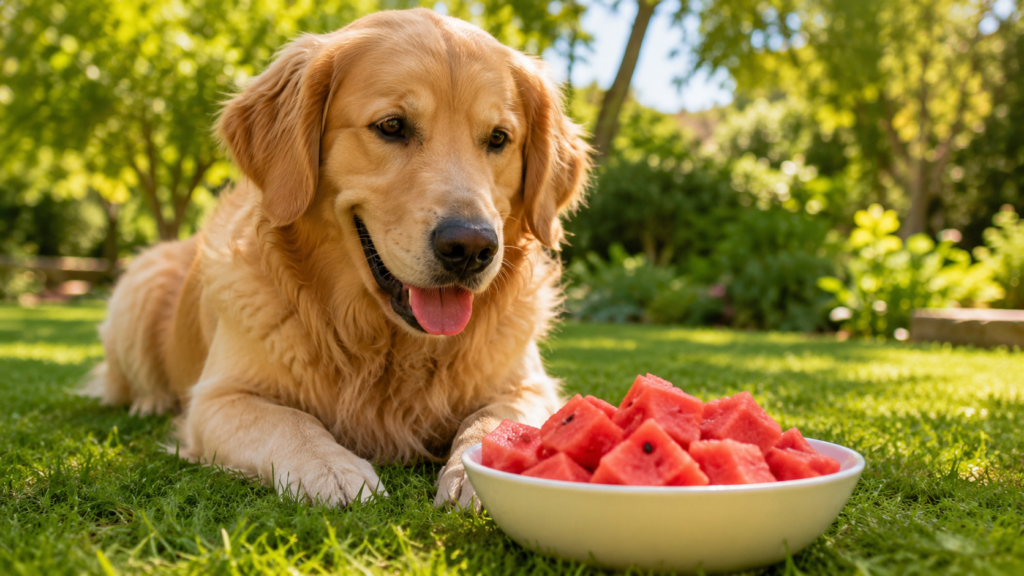
 Watermelon Watermelon | Refreshing summer treat |
 Strawberries Strawberries | Natural antioxidants |
 Plain Oatmeal Plain Oatmeal | Gentle on digestion |
These provide nutrition without exposing your dog to unnecessary risks.
Walnut Safety Comparison
| Food | Safe? | Vet Recommendation |
| Walnuts | No | |
| Almonds | No | |
| Macadamia Nuts | Never | |
| Cashews | Occasionally (very small amounts) | |
| Blueberries | Yes | |
| Pumpkin | Yes | |
| Carrots | Yes | |
| Apples (No Seeds) | Yes |

Vet Tip
 Vet Tip
Dogs don’t need walnuts to stay healthy.
A complete, balanced dog food already provides the nutrients they require. Adding walnuts only increases the risk of digestive problems without providing meaningful health benefits.
Final Verdict: Can Dogs Eat Walnuts?
 Final Verdict: Can Dogs Eat Walnuts?
After reviewing veterinary guidance, nutritional facts, and the potential health risks, the answer is clear.
Can Dogs Eat Walnuts?
No. Veterinarians do not recommend feeding walnuts to dogs.
Although fresh English walnuts are not considered as toxic as macadamia nuts, they still pose several unnecessary risks.
The biggest concerns include:
- Difficult digestion
- Choking hazard
- Intestinal blockage
- High fat content that may trigger pancreatitis
- Dangerous mold toxins (mycotoxins)
- Serious neurological symptoms in severe cases
Because there are many healthier and safer treats available, walnuts should never become part of your dog’s regular diet.
If your dog accidentally eats one fresh English walnut, they may only experience mild digestive upset. However, multiple walnuts, black walnuts, or moldy walnuts require immediate veterinary attention.
The safest choice is simple:
Keep walnuts on your snack table—not in your dog’s food bowl.
Quick Safety Summary
 Quick Safety Summary
| Question | Answer |
|---|---|
| Can Dogs Eat Walnuts? | No |
| English Walnuts | Not Recommended |
| Black Walnuts | Dangerous |
| Moldy Walnuts |  Emergency Emergency |
| Salted Walnuts | No |
| Chocolate Walnuts | Extremely Dangerous |
| Safe Daily Treat? | Never |
| Better Alternatives? | Yes |
When Should You Call a Veterinarian?
Contact your veterinarian immediately if your dog develops any of these symptoms after eating walnuts:
- Persistent vomiting
- Severe diarrhea
- Tremors
- Muscle twitching
- Difficulty walking
- Weakness
- Bloated abdomen
- Difficulty breathing
- Seizures
- Collapse
Early treatment can significantly improve your dog’s recovery.
Walnut Safety Checklist
Before offering any snack, remember these simple rules:
✔ Never intentionally feed walnuts.
✔ Store walnuts in sealed containers.
✔ Keep fallen backyard walnuts away from pets.
✔ Never allow dogs to eat moldy nuts.
✔ Choose veterinarian-approved treats instead.
Safer Foods Your Dog Will Love
Instead of asking Can Dogs Eat Walnuts, consider these healthier options:
| Safe Treat | Benefit |
| Carrots | Crunchy & low calorie |
| Blueberries | Rich in antioxidants |
| Pumpkin | Supports digestion |
| Apples (No Seeds) | Fiber & vitamins |
| Strawberries | Vitamin C |
| Cucumbers | Hydrating snack |
| Watermelon | Refreshing treat |
| Plain Oatmeal | Gentle on the stomach |
These options are easier to digest and far safer than walnuts.
Frequently Asked Questions
 Frequently Asked Questions
Can Dogs Eat Walnuts safely?
No. Walnuts are not recommended because they can cause digestive problems, choking, pancreatitis, and, if moldy, neurological illness.
Are walnuts poisonous to dogs?
Fresh English walnuts are not highly poisonous, but moldy walnuts and Black walnuts can be dangerous.
Can puppies eat walnuts?
No.
Puppies have a much higher risk of choking and intestinal blockage.
What happens if my dog eats one walnut?
Many healthy adult dogs may only develop mild stomach upset, but they should still be monitored for vomiting, diarrhea, or choking.
Why are moldy walnuts dangerous?
Mold can produce mycotoxins, which may cause tremors, seizures, and other serious neurological symptoms.
Can dogs eat walnuts every day?
No.
Walnuts should never become part of a dog’s regular diet.
Should I induce vomiting?
No.
Only do so if your veterinarian specifically instructs you.
What nuts are safest for dogs?
Most tree nuts are not recommended.
Veterinarians generally suggest avoiding them and choosing dog-safe fruits and vegetables instead.
Can Dogs Eat Walnuts if they are roasted?
No.
Roasting does not remove the digestive or fat-related risks.
What’s the safest snack instead of walnuts?
Carrots, blueberries, pumpkin, cucumbers, apples (without seeds), strawberries, and watermelon are much safer choices.
Veterinary Disclaimer
 Veterinary Disclaimer
This article is for educational purposes only and should not replace professional veterinary advice.
Every dog has unique nutritional needs based on age, breed, weight, medical history, allergies, and overall health.
If your dog experiences vomiting, diarrhea, tremors, seizures, abdominal pain, choking, weakness, or any unusual symptoms after eating walnuts, contact your veterinarian or an emergency animal hospital immediately.
Key Takeaway
If someone asks:
“Can Dogs Eat Walnuts?”
The safest and most accurate answer is:
No. Walnuts are not recommended for dogs because they may cause digestive problems, choking, pancreatitis, intestinal blockage, and, if moldy, potentially dangerous neurological symptoms. Choosing dog-safe fruits and vegetables is a much healthier and safer option for your furry companion.