Quick Answer
Can Dogs Eat Almonds?
 No. Veterinarians generally do not recommend feeding almonds to dogs.
Although plain almonds are not classified as highly toxic, Can Dogs Eat Almonds is still answered with No because almonds can cause:
- Choking
- Digestive upset
- Intestinal blockage
- Pancreatitis
- Problems caused by salt, seasonings, chocolate, or artificial sweeteners
There are many healthier and safer treats that provide better nutrition with far less risk.
Table of Contents
- Can Dogs Eat Almonds?
- Are Almonds Safe for Dogs?
- Why Veterinarians Recommend Avoiding Almonds
- Health Risks of Almonds
- Symptoms to Watch For
- What to Do If Your Dog Eats Almonds
- Safe Alternatives
- Frequently Asked Questions
- Final Verdict
Are Almonds Safe for Dogs?
The simple answer is:
No, almonds are not considered a safe food for dogs.
When pet owners ask Can Dogs Eat Almonds, they usually mean plain, raw almonds.
Even these are not recommended.
Dogs do not digest almonds efficiently. Their digestive system has difficulty breaking down the nut, which increases the chance of stomach irritation and intestinal problems.
The risk becomes even greater with:
- Salted almonds
- Roasted almonds
- Honey-roasted almonds
- Chocolate-covered almonds
- Flavored almonds
- Sugar-coated almonds
Some flavored almonds contain ingredients that are dangerous—or even toxic—for dogs.
For that reason, veterinarians recommend avoiding almonds altogether.
Why Veterinarians Don’t Recommend Almonds
Several reasons explain why Can Dogs Eat Almonds is generally answered with No.
1. Almonds Are Difficult for Dogs to Digest
Dogs digest animal-based proteins and fats much more efficiently than hard tree nuts.
Almonds often remain partially undigested, leading to:
- Vomiting
- Diarrhea
- Gas
- Stomach discomfort
Dogs with sensitive stomachs are especially vulnerable.
2. Almonds Can Cause Choking
Whole almonds are smooth, hard, and easy to swallow accidentally.
Small breeds, puppies, and senior dogs have a significantly higher choking risk.
3. High Fat Content
Almonds are naturally high in fat.
Too much fat may increase the risk of pancreatitis—a painful and potentially serious inflammation of the pancreas that often requires immediate veterinary treatment.

Can Dogs Eat Raw Almonds?
Many dog owners assume that raw almonds are the safest option because they contain no added ingredients.
Unfortunately, that’s not true.
Can Dogs Eat Raw Almonds?
No.
Even plain raw almonds are not recommended for dogs.
While raw almonds are not considered highly toxic like macadamia nuts, they still create several health concerns:
- Choking hazards
- Difficult digestion
- Stomach irritation
- Intestinal blockage
- High fat intake
Dogs simply are not designed to digest tree nuts efficiently.
If your dog accidentally eats one raw almond, they may not become seriously ill. However, repeated feeding or larger quantities significantly increase the risk of digestive complications.
Can Dogs Eat Roasted Almonds?
No.
Roasting does not make almonds safer.
In fact, roasted almonds often contain:
- Extra oils
- Salt
- Artificial flavorings
- Seasonings
These added ingredients increase the likelihood of stomach upset and dehydration.
Whether raw or roasted, Can Dogs Eat Almonds is still answered with No.
Can Dogs Eat Salted Almonds?
Absolutely Not.
Salted almonds are even more dangerous.
Excess sodium may lead to:
- Excessive thirst
- Vomiting
- Diarrhea
- Dehydration
- Sodium ion poisoning (large quantities)
Dogs require only a small amount of sodium in their diet.
Salted snacks provide no health benefit and should always be avoided.
Can Dogs Eat Flavored Almonds?
Never.
Flavored almonds may contain ingredients that are dangerous—or even toxic—for dogs.
Examples include:
- Garlic powder
- Onion powder
- Chili seasoning
- Artificial flavorings
- Excess salt
- Sugar coatings
Some flavored nuts may even contain xylitol, an artificial sweetener that is extremely toxic to dogs.
If you’re asking Can Dogs Eat Almonds that are seasoned or flavored, the answer is a firm No.
Can Dogs Eat Chocolate-Covered Almonds?
Absolutely Never.
Chocolate itself is toxic to dogs because it contains:
- Theobromine
- Caffeine
Chocolate-covered almonds combine two unhealthy foods into one dangerous snack.
Symptoms may include:
- Vomiting
- Hyperactivity
- Tremors
- Rapid heart rate
- Seizures
Immediate veterinary care is required if your dog consumes chocolate-covered almonds.
Can Puppies Eat Almonds?
No.
Puppies should never eat almonds.
Their smaller digestive tract and narrower airway make them much more vulnerable to:
- Choking
- Digestive blockage
- Vomiting
- Pancreatitis
Even one almond can become a serious emergency for a very small puppy.
What Happens If a Dog Eats Almonds?
The answer depends on:
- Dog’s size
- Number of almonds eaten
- Type of almonds
- Whether wrappers or packaging were swallowed
Some dogs experience only mild stomach upset.
Others may develop serious complications.
Possible symptoms include:
- Vomiting
- Diarrhea
- Excessive drooling
- Gagging
- Choking
- Abdominal pain
- Loss of appetite
- Constipation
- Lethargy
Dogs that consume large amounts or flavored almonds require closer monitoring.
Signs Your Dog Needs Emergency Care
Contact your veterinarian immediately if your dog develops:
 Difficulty breathing
Continuous vomiting
Severe diarrhea
Bloated abdomen
Weakness
Tremors
Seizures
Collapse
Choking
Prompt treatment greatly improves recovery.
What Should You Do If Your Dog Eats Almonds?
Remain calm.
Step 1
Estimate:
- How many almonds?
- Plain or flavored?
- Salted?
- Chocolate-covered?
Step 2
Watch for symptoms during the next several hours.
Step 3
Provide fresh drinking water.
Step 4
Do not induce vomiting unless your veterinarian specifically instructs you.
Step 5
If your dog ate chocolate-covered, heavily seasoned, or xylitol-containing almonds, contact your veterinarian immediately.

Do Almonds Have Any Health Benefits for Dogs?
Many pet owners search Can Dogs Eat Almonds because they know almonds are considered a superfood for humans.
They’re rich in:
- Healthy fats
- Protein
- Vitamin E
- Magnesium
- Fiber
- Antioxidants
So it’s natural to wonder whether dogs can enjoy the same benefits.
The answer is:
Not really.
While almonds contain valuable nutrients, dogs cannot efficiently digest them, making the potential health risks much greater than the nutritional rewards.
That’s why veterinarians continue to answer Can Dogs Eat Almonds with No.
Dogs already receive complete nutrition from high-quality commercial dog food, so almonds simply aren’t necessary.
Nutritional Value of Almonds
A small serving of plain almonds naturally contains:
- Vitamin E
- Healthy fats
- Plant protein
- Magnesium
- Manganese
- Phosphorus
- Calcium
- Dietary fiber
- Antioxidants
These nutrients support human health extremely well.
Unfortunately, dogs process almonds very differently.
Potential Benefits of Almonds
If a healthy dog accidentally eats a tiny amount of plain almonds, these nutrients may offer limited benefits.
However, veterinarians still do not recommend intentionally feeding almonds.
1. Vitamin E
Vitamin E helps support:
- Healthy skin
- Coat condition
- Immune system
- Cell protection
Dogs already obtain enough Vitamin E from balanced dog food.
2. Healthy Fats
Healthy fats support:
- Brain function
- Skin health
- Energy production
However, almonds contain too much fat for regular canine consumption.
Excess fat may trigger pancreatitis.
3. Antioxidants
Almonds contain antioxidants that help fight oxidative stress.
Although beneficial for humans, dogs can obtain antioxidants much more safely from:
- Blueberries
- Strawberries
- Apples
- Watermelon
4. Plant Protein
Almonds contain plant protein.
Dogs, however, absorb animal proteins much more efficiently than plant proteins.
High-quality dog food already provides all necessary protein.
Why Almonds Are Still a Poor Choice
Although almonds contain nutrients, the risks remain far greater.
Reasons include:
 Difficult digestion
Choking hazard
High fat content
Possible intestinal blockage
Salt and seasoning dangers
Risk of pancreatitis
For these reasons, veterinarians recommend avoiding almonds completely.
Health Risks of Feeding Almonds
Let’s examine the biggest concerns.
1. Digestive Problems
Almonds frequently cause:
- Vomiting
- Diarrhea
- Gas
- Abdominal discomfort
- Loss of appetite
Dogs simply cannot digest tree nuts efficiently.
2. Pancreatitis
One of the biggest concerns when owners ask Can Dogs Eat Almonds is pancreatitis.
Because almonds contain large amounts of fat, excessive consumption may inflame the pancreas.
Symptoms include:
- Severe vomiting
- Painful abdomen
- Weakness
- Refusal to eat
- Fever
Pancreatitis often requires hospitalization.
3. Choking
Whole almonds easily become lodged in:
- Throat
- Windpipe
Small breeds are especially vulnerable.
4. Intestinal Blockage
Whole almonds may become trapped inside the digestive tract.
Large quantities increase the risk.
Warning signs include:
- Repeated vomiting
- Constipation
- Abdominal swelling
- Weakness
- Pain
Surgery may become necessary.
5. Seasoning Toxicity
Many almonds contain harmful ingredients such as:
- Garlic powder
- Onion powder
- Excess salt
- Artificial sweeteners
- Chocolate
These ingredients create additional health risks beyond the almonds themselves.
Dogs That Should Never Eat Almonds
The answer to Can Dogs Eat Almonds becomes an absolute No for:
Puppies
Higher choking risk.
Small Breed Dogs
Whole almonds can easily obstruct the airway.
Senior Dogs
Older dogs often have slower digestion and weaker teeth.
Dogs With Pancreatitis
Fatty foods can trigger painful flare-ups.
Overweight Dogs
Extra fat and calories increase obesity risk.
Dogs With Sensitive Stomachs
Digestive upset becomes much more likely.
Safe Alternatives to Almonds
Instead of wondering Can Dogs Eat Almonds, choose treats veterinarians actually recommend.
Excellent options include:
 Apple slices (without seeds)
 Blueberries
 Watermelon
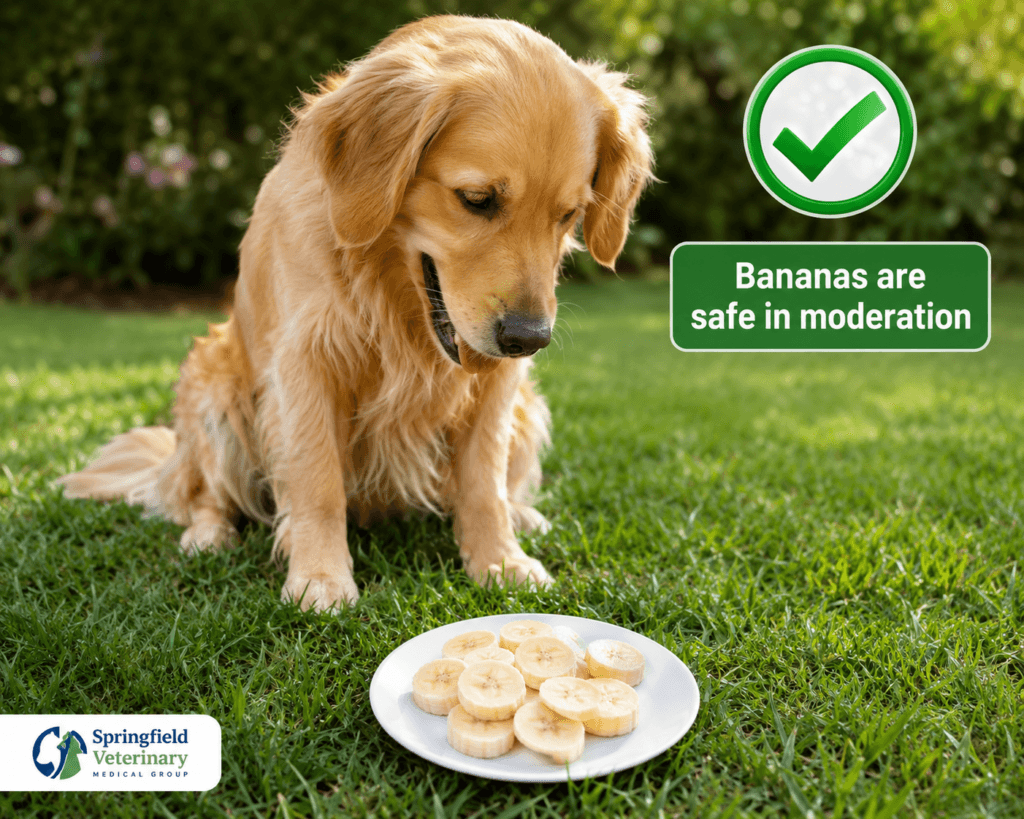
 Banana slices
 Carrots
 Cucumbers
 Pumpkin
 Strawberries
These foods provide vitamins, fiber, antioxidants, and hydration while being much easier for dogs to digest.

Final Verdict: Can Dogs Eat Almonds?
After reviewing veterinary recommendations, canine nutrition, and the potential health risks, we can confidently answer the question:
Can Dogs Eat Almonds?
No—veterinarians generally do not recommend feeding almonds to dogs.
Although plain almonds are not as toxic as macadamia nuts, they still present several unnecessary health risks that outweigh any nutritional benefits.
The biggest concerns include:
- Difficult digestion
- Choking hazard
- Intestinal blockage
- High fat content that may trigger pancreatitis
- Dangerous seasonings such as garlic, onion, chocolate, excessive salt, or xylitol
Since dogs can enjoy many healthier treats without these risks, almonds should never become part of their regular diet.
If your dog accidentally eats one or two plain almonds, serious illness is unlikely in many healthy adult dogs. However, if your dog eats a large quantity, flavored almonds, chocolate-covered almonds, or develops symptoms, contact your veterinarian immediately.
The safest decision is simple:
Keep almonds for people—not for dogs.
Quick Safety Summary
| Question | Answer |
|---|---|
| Can Dogs Eat Almonds? | No |
| Can Dogs Eat Raw Almonds? | Not Recommended |
| Can Dogs Eat Roasted Almonds? | No |
| Can Dogs Eat Salted Almonds? | Never |
| Can Dogs Eat Chocolate-Covered Almonds? | Extremely Dangerous |
| Can Puppies Eat Almonds? | No |
| Are Almonds Toxic to Dogs? |  Not highly toxic, but potentially harmful Not highly toxic, but potentially harmful |
| Better Treat Alternatives? |  Yes Yes |
When Should You Contact Your Veterinarian?
Seek veterinary attention immediately if your dog develops:
- Repeated vomiting
- Severe diarrhea
- Choking
- Difficulty breathing
- Weakness
- Tremors
- Abdominal pain
- Bloated stomach
- Refusal to eat
- Collapse
- Seizures
Fast veterinary treatment can prevent serious complications.
Safe Feeding Checklist
Instead of wondering Can Dogs Eat Almonds, remember these simple rules:
Keep almonds stored securely.
Never intentionally feed almonds.
Avoid all flavored almonds.
Never allow chocolate-covered almonds.
Offer veterinarian-approved dog treats instead.
Veterinarian’s Recommendation
Veterinary nutrition experts consistently recommend avoiding almonds because there are many safer treats available.
Better choices include:
Carrots
Apples (without seeds)
Blueberries
Watermelon
Strawberries
Cucumbers
Plain pumpkin
Bananas (small portions)
These foods provide vitamins, antioxidants, hydration, and fiber while being much easier for dogs to digest.
Frequently Asked Questions
Can Dogs Eat Almonds safely?
No. Veterinarians generally do not recommend feeding almonds because they are difficult to digest and may cause choking or digestive problems.
Are almonds poisonous to dogs?
Plain almonds are not considered highly poisonous, but they can still cause serious health complications, especially if eaten in large amounts.
Can Dogs Eat Raw Almonds?
No.
Raw almonds are difficult for dogs to digest and may lead to stomach upset or intestinal blockage.
Can Dogs Eat Salted Almonds?
Never.
Salted almonds contain excessive sodium that can be harmful to dogs.
Can Dogs Eat Chocolate-Covered Almonds?
Absolutely not.
Chocolate is toxic to dogs and requires immediate veterinary attention.
Can puppies eat almonds?
No.
Puppies have a much higher risk of choking and digestive blockage.
What should I do if my dog eats almonds?
Monitor your dog carefully.
If they eat a large quantity, flavored almonds, chocolate-covered almonds, or begin showing symptoms, contact your veterinarian immediately.
Which nuts are safest for dogs?
Most tree nuts are not recommended.
Instead, veterinarians advise offering dog-safe treats or fruits and vegetables.
Can Dogs Eat Almonds every day?
No.
Almonds should never become a regular snack for dogs.
Should I induce vomiting if my dog eats almonds?
No.
Only induce vomiting if your veterinarian specifically instructs you to do so.
Veterinary Disclaimer
This article is intended for educational purposes only and should not replace professional veterinary advice.
Every dog has unique nutritional requirements based on breed, age, weight, medical history, allergies, and existing health conditions.
If your dog develops vomiting, diarrhea, choking, breathing difficulty, abdominal pain, weakness, tremors, seizures, or any unusual symptoms after eating almonds, contact your veterinarian or an emergency animal hospital immediately.
🐶 Keep Your Dog Safe With These Expert Guides!
Discover more veterinarian-inspired food safety articles trusted by dog owners.