Can Dogs Eat Cantaloupe? Vet-Approved Benefits, Risks & Safe Feeding Guide (2026)

Can Dogs Eat Cantaloupe
Fresh cantaloupe can be a refreshing occasional treat for healthy dogs.

Table of Contents

  1. Quick Answer
  2. Can Dogs Eat Cantaloupe?
  3. Nutritional Value of Cantaloupe
  4. Health Benefits of Cantaloupe
  5. Is Cantaloupe Safe for Dogs?
  6. Frequently Asked Questions
  7. Final Verdict

Introduction

Many dog owners enjoy sharing fresh fruits with their furry companions, but not every fruit is safe for canine consumption. One question that frequently appears during the summer months is Can Dogs Eat Cantaloupe. Since cantaloupe is naturally sweet, juicy, and packed with nutrients, many pet parents wonder whether it can be included as an occasional treat.

The good news is that Can Dogs Eat Cantaloupe has a positive answer for most healthy dogs. Plain, ripe cantaloupe flesh is generally safe when served in moderation. It contains vitamins, antioxidants, water, and fiber that may contribute to your dog’s overall health. However, there are also important precautions every responsible owner should know before feeding this fruit.

In this veterinarian-informed guide, you’ll learn whether Can Dogs Eat Cantaloupe, the nutritional benefits it offers, possible risks, safe serving sizes, foods to avoid, and practical feeding tips so you can confidently decide whether cantaloupe belongs in your dog’s treat rotation.


Quick Answer

Yes, dogs can eat cantaloupe in moderation.

If you’ve been asking Can Dogs Eat Cantaloupe, the answer is yes. Fresh, ripe cantaloupe flesh is generally safe for healthy adult dogs and can make a refreshing, low-calorie treat.

Cantaloupe naturally contains:

  • Vitamin A
  • Vitamin C
  • Potassium
  • Dietary fiber
  • Antioxidants
  • High water content

Although Can Dogs Eat Cantaloupe has a positive answer, the fruit should only be offered occasionally. Because it contains natural sugars, excessive amounts may contribute to digestive upset or unnecessary calorie intake, especially for overweight or diabetic dogs.


Can Dogs Eat Cantaloupe?

The question Can Dogs Eat Cantaloupe has become increasingly common because many pet owners want healthier alternatives to processed dog treats. Fresh fruits can provide valuable nutrients, but choosing safe options is essential.

Fortunately, veterinarians generally agree that ripe cantaloupe flesh is not toxic to dogs. Unlike grapes, raisins, onions, or chocolate, cantaloupe does not contain compounds known to be poisonous to healthy dogs.

However, Can Dogs Eat Cantaloupe does not mean dogs should eat the entire fruit. Only the soft orange flesh is appropriate. The rind is tough to digest and may present a choking hazard or even cause an intestinal blockage if swallowed. Likewise, the seeds should always be removed before serving.

When prepared correctly, cantaloupe can be an enjoyable and nutritious snack that adds variety to your dog’s diet while supporting hydration during warmer months.


🩺 Veterinarian’s Advice

Most veterinarians recommend offering only plain, fresh cantaloupe without added sugar, syrups, seasoning, or artificial sweeteners.

Before feeding:

  • Wash the outside thoroughly.
  • Remove all seeds.
  • Remove the rind completely.
  • Cut the flesh into bite-sized cubes.
  • Introduce slowly the first time.

If your dog has diabetes, obesity, pancreatitis, or another chronic medical condition, consult your veterinarian before adding cantaloupe to its diet.


Nutritional Value of Cantaloupe

One reason owners ask Can Dogs Eat Cantaloupe is because this melon is naturally packed with nutrients while remaining relatively low in calories.

Nutrient Potential Benefit
Vitamin A Supports healthy vision and skin
Vitamin C Supports immune health
Potassium Supports muscles and nerves
Dietary Fiber Helps healthy digestion
Antioxidants Protect healthy cells
Water Helps maintain hydration

Because cantaloupe contains around 90% water, it can be especially refreshing during hot summer weather.

Health Benefits of Cantaloupe

Pet owners researching Can Dogs Eat Cantaloupe are often interested in the nutritional advantages this fruit may provide.

When served correctly, cantaloupe may offer several potential health benefits.

1. Supports Hydration

Cantaloupe contains a high percentage of water, making it an excellent summer snack.

It may help:

  • Support hydration
  • Keep dogs refreshed
  • Provide a cooling treat after outdoor activities

Fresh water should always remain your dog’s primary source of hydration.


2. Supports Healthy Vision

Vitamin A plays an important role in maintaining healthy eyesight.

Regularly feeding balanced foods rich in vitamin A may help support:

  • Eye health
  • Healthy skin
  • Normal immune function

Although Can Dogs Eat Cantaloupe has a positive answer, remember that fruits should complement—not replace—a complete and balanced dog diet.


3. Rich in Antioxidants

Fresh cantaloupe provides antioxidants that may help protect healthy cells from oxidative stress.

These nutrients may contribute to:


  • Healthy aging
  • Immune support
  • Overall wellness
cantaloupe-nutrition-for-dogs.webp
Fresh cantaloupe provides vitamins, antioxidants, and hydration for healthy dogs.

Benefits of Cantaloupe for Dogs

After learning Can Dogs Eat Cantaloupe, the next question most pet owners ask is whether this fruit offers any real health benefits.

The answer is yes. When served in moderation, fresh cantaloupe can provide valuable nutrients that support your dog’s overall well-being. However, these benefits should complement a balanced diet—not replace complete dog food.


1. Helps Keep Dogs Hydrated

One of the biggest advantages of feeding fresh cantaloupe is its extremely high water content.

Since cantaloupe is made up of nearly 90% water, it can be an excellent summer snack for active dogs.

Proper hydration supports:

  • Healthy body temperature
  • Normal organ function
  • Healthy digestion
  • Energy levels

If you’ve been asking Can Dogs Eat Cantaloupe during hot weather, a few chilled cantaloupe cubes can be a refreshing treat after a walk or play session.

Fresh drinking water should always remain your dog’s primary source of hydration.


2. Supports Healthy Vision

Fresh cantaloupe is naturally rich in Vitamin A, one of the most important nutrients for eye health.

Vitamin A may help support:

  • Healthy eyesight
  • Normal retinal function
  • Healthy skin
  • Immune system function

Although Can Dogs Eat Cantaloupe is generally answered with yes, remember that vitamin-rich fruits should only be offered as occasional treats.


3. Rich in Antioxidants

Another reason veterinarians approve cantaloupe is its antioxidant content.

Antioxidants help neutralize free radicals that can damage healthy cells.

These nutrients may help support:

  • Healthy aging
  • Immune health
  • Cell protection
  • Overall wellness

Fresh fruits like cantaloupe are one simple way to introduce natural antioxidants into your dog’s treat routine.

Benefits of cantaloupe for dogs
Fresh cantaloupe provides hydration, antioxidants, and vitamins for healthy dogs.

4. Promotes Healthy Digestion

Fresh cantaloupe contains dietary fiber that may help maintain healthy digestion.

Fiber supports:

  • Regular bowel movements
  • Healthy gut bacteria
  • Digestive comfort

However, feeding too much fiber at one time may cause loose stools or mild stomach upset.

This is why veterinarians recommend introducing cantaloupe gradually.


5. Low-Calorie Treat Option

Compared with many commercial dog treats, fresh cantaloupe is relatively low in calories.

Owners searching Can Dogs Eat Cantaloupe often want healthier alternatives to processed snacks.

Fresh cantaloupe may help:

  • Reduce unnecessary calories
  • Add nutritional variety
  • Provide a naturally sweet reward

Even healthy treats should make up no more than 10% of your dog’s daily calorie intake.


Risks of Feeding Cantaloupe to Dogs

Although Can Dogs Eat Cantaloupe has a positive answer, feeding it incorrectly may create problems.

Understanding these risks helps keep your dog safe.


1. Too Much Natural Sugar

Cantaloupe naturally contains fruit sugars.

Healthy dogs usually tolerate these sugars well in moderation.

However, excessive amounts may contribute to:

  • Weight gain
  • Digestive upset
  • Elevated blood sugar in diabetic dogs

Dogs diagnosed with diabetes should only eat cantaloupe after veterinary approval.


2. Digestive Upset

Some dogs have more sensitive stomachs than others.

Introducing too much cantaloupe too quickly may result in:

  • Vomiting
  • Diarrhea
  • Gas
  • Mild stomach discomfort

Start with one or two small cubes and monitor your dog before increasing the serving.


3. Never Feed the Rind

The orange flesh is safe.

The rind is not.

The hard outer rind can be difficult to digest and may cause:

  • Choking
  • Intestinal blockage
  • Digestive discomfort

Always remove the rind completely before serving.


4. Remove All Seeds

Although cantaloupe seeds are not considered highly toxic like some fruit pits, they can still create problems.

Large quantities of seeds may increase the risk of:

  • Choking
  • Digestive blockage
  • Stomach irritation

Always remove every seed before offering cantaloupe to your dog.


👨‍⚕️ Veterinarian Advice

Veterinary nutritionists generally recommend feeding only plain fresh cantaloupe.

Best practices include:

  • Wash the fruit thoroughly.
  • Remove the rind completely.
  • Remove all seeds.
  • Cut into bite-sized cubes.
  • Introduce slowly.
  • Feed only as an occasional treat.

Dogs with obesity, diabetes, or chronic digestive disorders should receive personalized feeding advice from their veterinarian before eating cantaloupe.

Veterinarian advice about cantaloupe for dogs
Serve only fresh seedless cantaloupe without the rind.

Safe Serving Sizes

Serving size depends on your dog’s size.

Dog Size Recommended Serving
Extra Small (2–10 lbs) 1–2 small cubes
Small (11–20 lbs) 2–4 small cubes
Medium (21–50 lbs) 4–6 cubes
Large (51–90 lbs) 6–8 cubes
Giant (90+ lbs) Up to 10 cubes

Offer cantaloupe once or twice per week as an occasional treat.


🔗 Links

Can Dogs Eat Cherries  

Can Dogs Eat Plums

 🌍 Authority References

American Kennel Club (AKC)

ASPCA

PetMD

VCA Animal Hospitals

How Much Cantaloupe Can Dogs Eat?

One of the most common follow-up questions after Can Dogs Eat Cantaloupe is how much cantaloupe is actually safe.

While Can Dogs Eat Cantaloupe has a positive answer, portion control is the key to preventing digestive upset and unnecessary calorie intake.

Fresh cantaloupe should always be considered an occasional treat, not a meal replacement. Veterinarians recommend that all treats, including fruit, make up no more than 10% of your dog’s daily calorie intake.

If your dog has never eaten cantaloupe before, begin with one or two small cubes and monitor them over the next 24 hours. If there are no signs of stomach upset or allergic reaction, you can gradually increase the serving according to your dog’s size.

Recommended Serving Size

Dog Weight Safe Serving
Under 10 lbs 1–2 small cubes
10–20 lbs 2–4 cubes
20–50 lbs 4–6 cubes
50–80 lbs 6–8 cubes
Over 80 lbs Up to 10 cubes

Serve cantaloupe only once or twice each week.


Signs of an Allergic Reaction

Although allergies to cantaloupe are uncommon, every dog is different. Whenever introducing a new food, observe your pet carefully.

Possible signs that your dog may not tolerate cantaloupe include:

  • Vomiting
  • Diarrhea
  • Excessive scratching
  • Red or irritated skin
  • Swelling around the mouth
  • Ear irritation
  • Excessive licking
  • Loss of appetite

If you notice any of these symptoms after feeding cantaloupe, discontinue the fruit and contact your veterinarian for advice.

Even though Can Dogs Eat Cantaloupe is generally answered with yes, some dogs may have individual sensitivities.


Can Puppies Eat Cantaloupe?

Yes, puppies can eat cantaloupe, but only after they have been fully weaned and are eating a complete puppy diet.

Because puppies have delicate digestive systems, introduce cantaloupe carefully.

Veterinary recommendations include:

  • Offer only one very small cube.
  • Remove all seeds.
  • Remove the rind completely.
  • Feed plain fresh cantaloupe only.
  • Monitor for digestive upset over the next 24 hours.

Puppies should continue receiving almost all of their nutrition from a balanced puppy food. Cantaloupe should only be an occasional reward.


Can Senior Dogs Eat Cantaloupe?

Senior dogs can also enjoy fresh cantaloupe in moderation.

The fruit’s high water content may help keep older dogs hydrated during warm weather, while its vitamins and antioxidants can support overall wellness.

However, because some senior dogs have dental problems or digestive sensitivities, serve:

  • Smaller cubes
  • Softer ripe fruit
  • Smaller portions

Consult your veterinarian if your senior dog has diabetes or another chronic illness before adding new foods.


Can Dogs Eat Cantaloupe Seeds?

Many owners searching Can Dogs Eat Cantaloupe also ask whether the seeds are safe.

The answer is no.

Although cantaloupe seeds are not highly toxic like certain fruit pits, they should still be removed before feeding.

Seeds may increase the risk of:

  • Choking
  • Intestinal blockage
  • Digestive discomfort

The safest approach is to remove every seed before serving the fruit.


Can Dogs Eat the Cantaloupe Rind?

No.

The rind is the thick green outer layer of the fruit and should never be fed to dogs.

It is extremely tough and difficult to digest.

Eating the rind may cause:

  • Choking
  • Constipation
  • Intestinal blockage
  • Vomiting
  • Abdominal pain

Only the soft orange flesh should be offered.

Preparing cantaloupe safely for dogs
Always remove the rind and seeds before feeding cantaloupe to dogs.

Can Dogs Eat Frozen Cantaloupe?

Yes.

Plain frozen cantaloupe cubes can make a refreshing summer snack.

Benefits include:

  • Cooling treat during hot weather
  • Additional hydration
  • Longer-lasting snack

Before serving:

  • Freeze plain fresh cantaloupe only.
  • Do not add sugar or syrup.
  • Allow the cubes to soften slightly for small dogs to reduce the risk of choking.

Frozen cantaloupe should still be offered in moderation.


Can Dogs Eat Cantaloupe Every Day?

No.

Although Can Dogs Eat Cantaloupe has a positive answer, daily feeding is not recommended.

Too much cantaloupe may lead to:

  • Excess calorie intake
  • Digestive upset
  • Increased natural sugar consumption

Serving the fruit once or twice a week is generally sufficient for most healthy adult dogs.


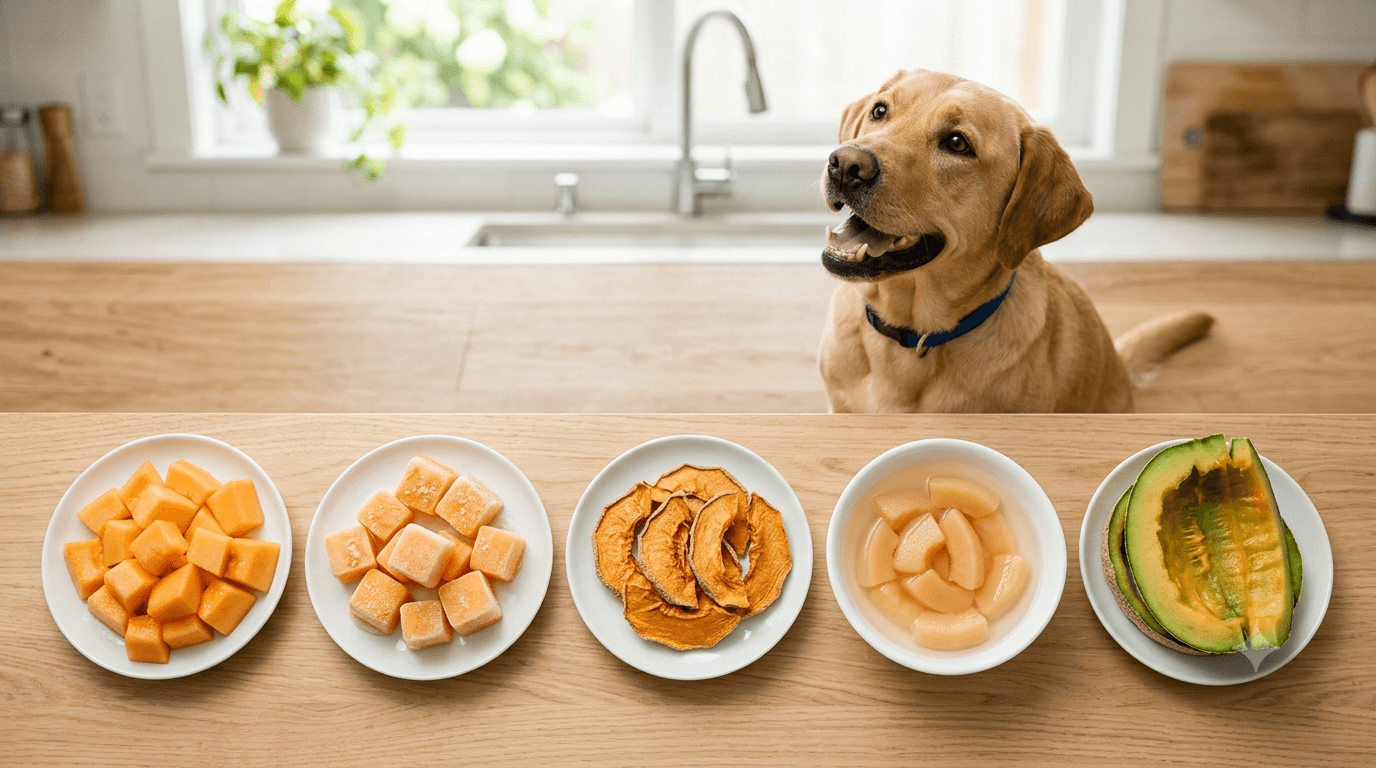
Fresh vs Frozen vs Dried Cantaloupe

Cantaloupe Product Safe? Recommendation
Fresh Cantaloupe ✅ Yes Best Choice
Frozen Cantaloupe ✅ Yes Plain Only
Dried Cantaloupe ⚠️ Limited Usually High in Sugar
Cantaloupe with Syrup ❌ No Avoid
Canned Cantaloupe ❌ No Added Sugar
Cantaloupe Rind ❌ Never Choking & Blockage Risk
safe-cantaloupe-products-for-dogs.webp
Fresh cantaloupe is the healthiest option for dogs.

Frequently Asked Questions (FAQs)

1. Can Dogs Eat Cantaloupe Every Day?

No. Although Can Dogs Eat Cantaloupe has a positive answer, it should only be an occasional treat. Daily feeding may increase sugar and calorie intake, potentially leading to weight gain or digestive issues.


2. Can Dogs Eat Raw Cantaloupe?

Yes. Fresh, ripe, raw cantaloupe flesh is the safest option. Wash the fruit thoroughly, remove the seeds and rind, then cut it into bite-sized cubes before serving.


3. Can Dogs Eat Frozen Cantaloupe?

Yes. Plain frozen cantaloupe cubes can be a refreshing treat during hot weather. Allow them to soften slightly before serving, especially for small dogs.


4. Can Dogs Eat Cantaloupe Seeds?

No. Seeds should always be removed because they can create a choking hazard and may cause digestive blockage if swallowed.


5. Can Dogs Eat the Cantaloupe Rind?

No. The rind is thick, difficult to digest, and may lead to choking or intestinal blockage. Feed only the soft orange flesh.


6. Is Cantaloupe Good for Overweight Dogs?

Fresh cantaloupe is lower in calories than many commercial treats, making it a better choice when offered in small portions. However, portion control remains important.


7. Can Diabetic Dogs Eat Cantaloupe?

Because cantaloupe contains natural sugars, diabetic dogs should only eat it after approval from their veterinarian.


8. Can Dogs Drink Cantaloupe Juice?

Plain fresh cantaloupe juice without sugar is not toxic, but whole cantaloupe is the healthier choice because it contains beneficial dietary fiber.

Avoid packaged juices containing:

  • Added sugar
  • Artificial sweeteners
  • Preservatives

9. What Fruits Are Safer Than Cantaloupe?

Several fruits make excellent occasional treats, including:

  • Blueberries
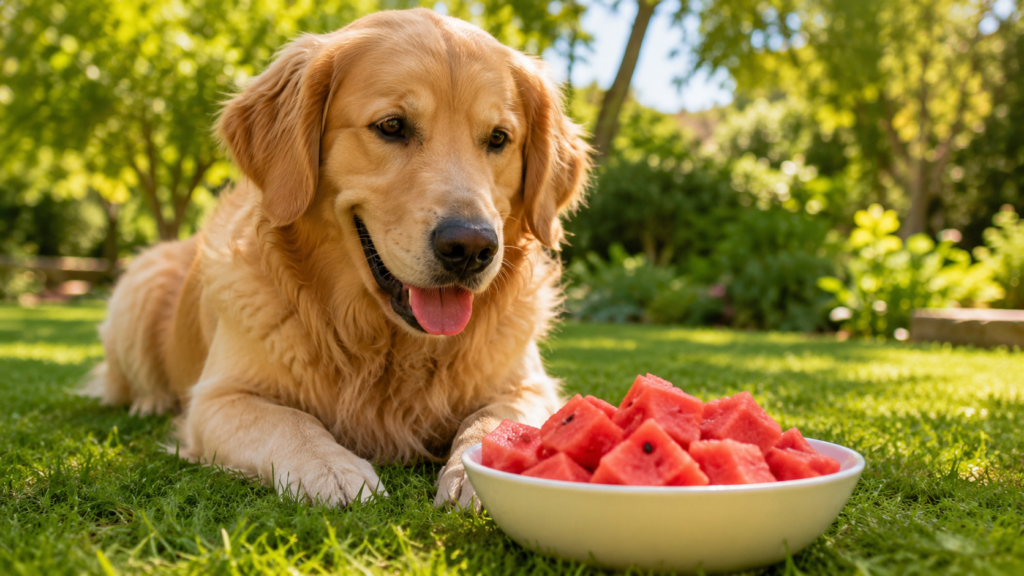
  • Watermelon
  • Apples (without seeds)
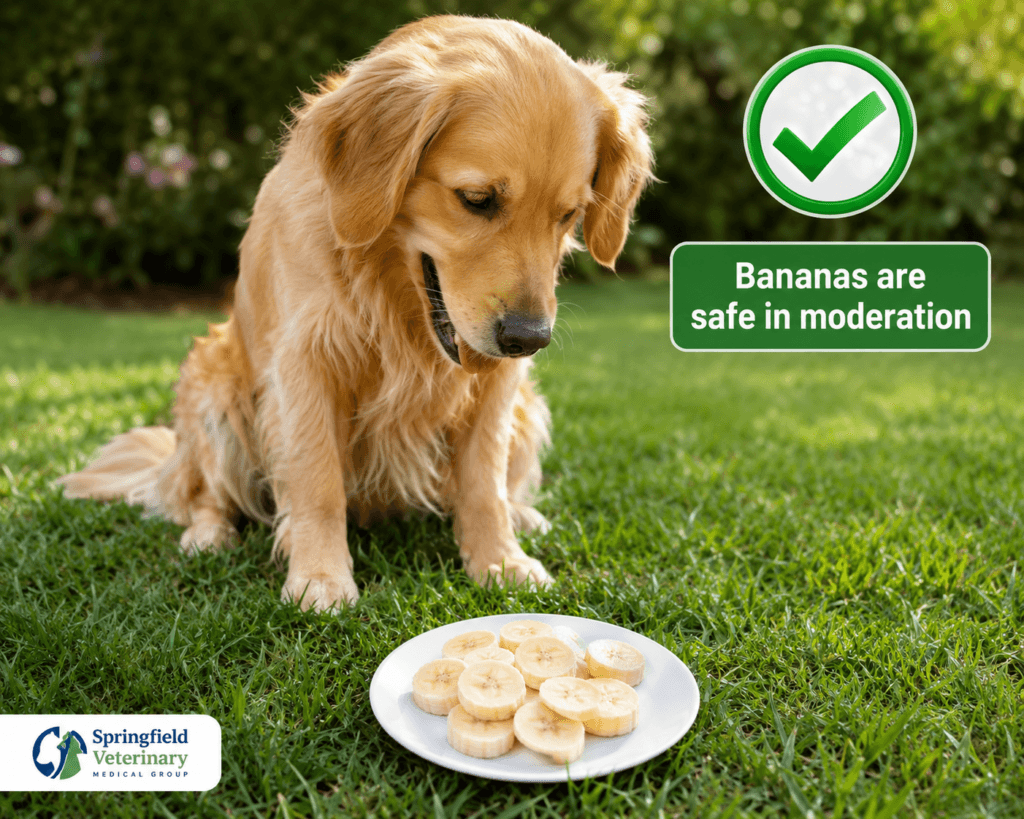
  • Bananas
  • Strawberries

Each fruit should still be introduced gradually.


10. What Should I Do If My Dog Eats Too Much Cantaloupe?

If your dog eats a large amount of cantaloupe, watch for:

  • Vomiting
  • Diarrhea
  • Stomach pain
  • Loss of appetite
  • Lethargy

Contact your veterinarian if symptoms are severe or continue for more than 24 hours.


Final Verdict

So, Can Dogs Eat Cantaloupe?

Yes.

Fresh, ripe cantaloupe is generally safe for healthy dogs when served in moderation. It provides hydration, vitamins, antioxidants, and dietary fiber that may support your dog’s overall health.

However, moderation is essential. Because cantaloupe contains natural sugars, feeding excessive amounts may contribute to digestive upset or unnecessary calorie intake. Always remove the seeds and rind, serve only the fresh flesh, and introduce it gradually.

For most healthy dogs, Can Dogs Eat Cantaloupe has a clear and positive answer when the fruit is prepared and served responsibly.


Conclusion

If you’ve been wondering Can Dogs Eat Cantaloupe, you now have the complete answer.

Fresh cantaloupe can be a delicious and nutritious occasional snack that supports hydration and provides valuable vitamins and antioxidants. By following veterinarian-approved serving guidelines, removing the seeds and rind, and keeping portions moderate, you can safely share this refreshing fruit with your furry companion.

Remember that treats—including fruit—should never replace a complete and balanced dog diet. When in doubt, consult your veterinarian before introducing new foods, especially if your dog has diabetes, obesity, or digestive problems.

Leave a Comment

Your email address will not be published. Required fields are marked *