 Quick Answer
 Quick Answer
No, plums are not recommended for dogs.
Many dog owners ask, can dogs eat plums, because the fruit contains vitamins and antioxidants. However, the pit, stem, and leaves can pose serious risks, including choking, intestinal blockage, and exposure to cyanogenic compounds if the pit is chewed.
Although a tiny amount of ripe plum flesh is unlikely to poison a healthy dog, veterinarians generally recommend choosing safer fruits such as blueberries, pears, or watermelon instead.
If you’re wondering can dogs eat plums as an occasional snack, the safest answer is still no, because the risks outweigh the nutritional benefits.
Vet’s Tip
 Vet’s Tip
Veterinarian Advice: If your dog accidentally swallows a whole plum or chews a plum pit, contact your veterinarian immediately. Even when poisoning does not occur, the pit may become lodged in the digestive tract and require emergency treatment.
Can Dogs Eat Plums?
One of the most common questions pet owners search online is can dogs eat plums. While ripe plum flesh contains beneficial nutrients for humans, veterinarians generally advise against feeding plums to dogs.
The biggest concern isn’t the flesh—it’s the pit.
Plum pits are hard, slippery, and difficult for dogs to digest. They create two major dangers. First, they can become lodged in the throat or intestines, leading to choking or intestinal blockage. Second, if the pit is cracked or chewed, it can release naturally occurring cyanogenic compounds that may interfere with the body’s ability to use oxygen properly.
Even responsible owners who remove the pit can accidentally leave small fragments behind. Because safer fruits are widely available, there’s very little reason to take the risk.
Another issue is the fruit’s natural sugar content. While fresh fruit can be part of a balanced diet for some dogs, sugary fruits should always be offered sparingly. Dogs with diabetes or obesity should avoid plums unless a veterinarian specifically recommends otherwise.
So, can dogs eat plums safely? The safest recommendation is to avoid feeding plums altogether and choose fruits that have a much lower risk profile.
According to the ASPCA, plum stems, leaves, and pits contain cyanogenic compounds that may be harmful to pets if chewed or ingested



Symptoms of Plum Poisoning in Dogs
If your dog chews a plum pit or eats parts of the stem or leaves, watch carefully for symptoms over the next several hours.
Possible signs include:
- Vomiting
- Diarrhea
- Excessive drooling
- Weakness
- Loss of appetite
- Difficulty breathing
- Bright red gums
- Dilated pupils
- Tremors
- Seizures (rare but serious)
- Collapse
Not every dog will develop poisoning, but symptoms should never be ignored.
If your dog also swallowed the pit, continue monitoring for signs of an intestinal blockage during the following 24–72 hours.
What Should You Do If Your Dog Eats a Plum?
If your dog accidentally eats a plum, follow these steps:
Step 1 – Stay Calm
Do not panic. Determine exactly what your dog ate.
Ask yourself:
- Was the pit swallowed?
- Was the pit chewed?
- Were stems or leaves eaten?
- Approximately how many plums were consumed?
Step 2 – Observe Your Dog
Watch for:
- Vomiting
- Choking
- Abdominal pain
- Weakness
- Difficulty breathing
Record when the fruit was eaten and when symptoms started.
Step 3 – Contact Your Veterinarian
Seek veterinary advice immediately if:
- Multiple pits were swallowed.
- Your dog chewed the pit.
- Your dog is a puppy or toy breed.
- Symptoms begin appearing.
- You suspect an intestinal blockage.
Do not induce vomiting unless instructed by a veterinary professional.
Can Puppies Eat Plums?
No.
Puppies should never intentionally eat plums.
Because puppies have much smaller digestive systems and narrower airways, even one plum pit can become a serious choking hazard or intestinal blockage.
If your puppy eats any part of a plum, contact your veterinarian promptly.
Fresh Plums vs. Prunes vs. Plum Jam
Not every plum product carries the same risk, but none are recommended for dogs.
| Plum Product | Safe? | Recommendation |
|---|---|---|
| Fresh Whole Plums |  No No | Avoid |
| Pitted Fresh Plum Flesh |  Not Recommended Not Recommended | Choose Safer Fruits |
| Prunes (Dried Plums) | No | Too Much Sugar |
| Plum Jam | Never | Added Sugar |
| Plum Pie Filling | Never | Unsafe |
| Canned Plums | No | Added Sugar & Syrup |

Common Mistakes Dog Owners Make
Avoid these common mistakes:
Assuming only the pit is dangerous.
Allowing dogs to eat fallen fruit from the garden.
Feeding prunes as a healthy snack.
Ignoring vomiting after accidental ingestion.
Leaving plum pits where dogs can find them.
Believing natural fruit is always safe.

Frequently Asked Questions
1. Can dogs eat plums without the pit?
Even without the pit, veterinarians generally recommend avoiding plums because safer fruits are available.
2. What happens if my dog eats a plum pit?
A plum pit may cause choking, intestinal blockage, or release cyanogenic compounds if chewed.
3. Are prunes safe for dogs?
No. Prunes are high in natural sugar and are not recommended.
4. Can puppies eat plums?
No. Puppies should never intentionally eat plums due to the increased choking and blockage risk.
5. Are plum leaves poisonous to dogs?
Yes. Plum leaves and stems contain cyanogenic compounds and should not be eaten.
6. How many plums are dangerous?
The risk depends on your dog’s size, whether the pit was chewed, and how many plums were consumed.
7. What fruits are safer than plums?
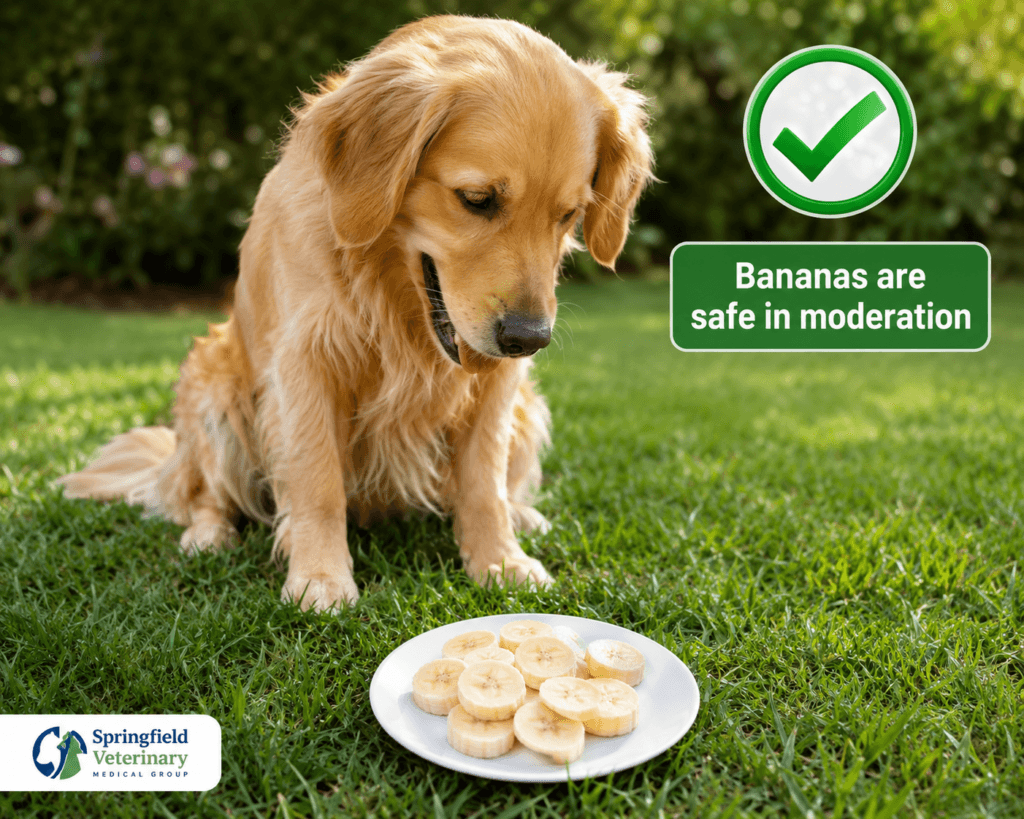
Blueberries, peeled pears, seedless watermelon, bananas, apples (without seeds), and strawberries are better choices.
8. Should I take my dog to the vet after eating a plum?
Yes, especially if your dog swallowed or chewed the pit, ate multiple plums, or develops any concerning symptoms.
Key Takeaways
- Plums are not recommended for dogs.
- Plum pits can cause choking, intestinal blockage, and release cyanogenic compounds if chewed.
- Leaves and stems also present a poisoning risk.
- Puppies are especially vulnerable.
- Safer fruits are a much better option.
- Contact your veterinarian if your dog swallows or chews a plum pit.
 Plums are not recommended for dogs.
Conclusion
So, can dogs eat plums? The safest answer is no. While the flesh of a ripe plum is not considered highly toxic, the dangers associated with the pit, stem, and leaves make plums an unnecessary risk for dogs. Choking, intestinal blockages, and exposure to cyanogenic compounds are all preventable hazards.
Instead of offering plums, choose safer fruits that provide similar nutritional benefits without the same risks. Making informed food choices helps keep your dog healthy, active, and safe for years to come.