


Can Dogs Eat Grapefruit?
Many dog owners enjoy sharing healthy fruits with their furry companions. Fruits like blueberries, bananas, apples, and watermelon are popular treats, but not every fruit is safe for dogs. One fruit that often raises questions is grapefruit.
So, can dogs eat grapefruit?
The short answer is grapefruit is not recommended for dogs.
While a tiny amount of the flesh may not always cause serious problems, grapefruit contains compounds that can irritate a dog’s digestive system, and the peel, rind, seeds, and certain parts of the fruit may present additional concerns. Because there are much safer fruits available, veterinarians generally recommend avoiding grapefruit altogether.
If your dog accidentally eats grapefruit, don’t panic. The amount consumed, the part of the fruit eaten, your dog’s size, and individual health all influence what may happen next. Understanding the potential risks can help you make informed decisions and know when veterinary care is necessary.
In this complete WarmWag guide, you’ll learn:
- Is grapefruit toxic to dogs?
- Can dogs eat grapefruit flesh?
- Can dogs eat grapefruit peel?
- Can dogs drink grapefruit juice?
- What happens if a dog eats grapefruit?
- Symptoms to watch for
- What to do if your dog accidentally eats grapefruit
- Safer fruit alternatives
- Veterinary advice and feeding recommendations
Let’s explore everything every responsible dog owner should know.
Table of Contents
- Can Dogs Eat Grapefruit?
- Is Grapefruit Safe for Dogs?
- Why Grapefruit Is Not Recommended
- Which Parts of Grapefruit Are Dangerous?
- Can Dogs Eat Grapefruit Flesh?
- Can Dogs Eat Grapefruit Peel?
- Can Dogs Eat Grapefruit Seeds?
- Can Dogs Drink Grapefruit Juice?
- Nutritional Value of Grapefruit
- Are There Any Benefits?
- Frequently Asked Questions
- Final Verdict
Is Grapefruit Safe for Dogs?
The simple answer is no—grapefruit is generally not considered a safe fruit for dogs.
Unlike fruits such as bananas or blueberries, grapefruit contains naturally occurring compounds that can cause irritation in dogs. Even though not every dog will become seriously ill after tasting grapefruit, the fruit offers very little benefit compared to the potential risks.
Veterinary professionals typically recommend choosing safer fruits instead of grapefruit because dogs do not require citrus fruits in their diet.
Some dogs may accidentally eat a small piece of grapefruit flesh and show no symptoms, while others may develop digestive upset after eating only a small amount. Every dog responds differently depending on factors such as:
- Breed
- Size
- Age
- Health condition
- Digestive sensitivity
- Quantity consumed
Because these reactions are unpredictable, grapefruit should not be intentionally offered as a treat.
Why Is Grapefruit Not Recommended for Dogs?
Dog owners often assume that if a fruit is healthy for humans, it must also be healthy for dogs.
Unfortunately, this is not always true.
Grapefruit contains natural compounds that may cause problems for dogs, including:
- Digestive irritation
- Bitter compounds that dogs dislike
- Natural citrus oils concentrated in the peel
- Compounds that may irritate the stomach
The fruit also provides no essential nutrients that dogs cannot obtain from a complete and balanced canine diet.
Rather than taking unnecessary risks, veterinarians generally recommend choosing fruits that have a longer history of safe occasional use in dogs.
Which Parts of Grapefruit Are Unsafe?
One important question is not simply “Can dogs eat grapefruit?” but which part of the grapefruit they consume.
Each part of the fruit is different.
Grapefruit Flesh
The inner flesh is less concerning than the peel but still is not recommended because it may cause digestive upset.
Grapefruit Peel
The peel is considered much more problematic because it contains concentrated citrus oils and is difficult to digest.
Dogs should never be intentionally fed grapefruit peel.
Grapefruit Seeds
Seeds are not suitable treats for dogs.
Although swallowing one or two seeds accidentally may not always create a serious emergency, dogs should not intentionally consume them.
Grapefruit Juice
Commercial grapefruit juice often contains concentrated fruit acids and may also include added sugars or other ingredients that make it unsuitable for dogs.
Fresh water is always the healthiest beverage choice.
Can Dogs Eat Grapefruit Flesh?
Some dog owners specifically ask whether only the fruit itself is safe.
While the flesh is less concerning than the peel, it still is not recommended.
A very small accidental bite may not always result in serious illness, but dogs do not gain significant nutritional benefits from grapefruit that justify making it part of their diet.
Possible reactions include:
- Vomiting
- Loose stool
- Diarrhea
- Reduced appetite
- Mild stomach discomfort
The severity depends on the amount consumed and the dog’s individual digestive sensitivity.
For this reason, intentionally feeding grapefruit flesh is not advised.
Can Dogs Eat Grapefruit Peel?
No.
The peel is the part that dog owners should be most concerned about.
The rind contains higher concentrations of natural citrus oils and bitter compounds.
It is also:
- Tough
- Fibrous
- Difficult to digest
Large pieces may increase the chance of digestive irritation and could also create problems if swallowed whole.
If your dog accidentally eats grapefruit peel, monitor closely and contact your veterinarian if symptoms develop.
Can Dogs Eat Grapefruit Seeds?
Grapefruit seeds should also be avoided.
Although swallowing one accidentally may not always create a major issue, seeds are unnecessary and provide no nutritional benefit.
Whenever preparing fruit for dogs, removing seeds is always the safest approach.
Does Grapefruit Offer Any Health Benefits for Dogs?
Humans often eat grapefruit because it contains:
- Vitamin C
- Water
- Fiber
- Antioxidants
However, dogs have different nutritional needs.
Healthy dogs naturally produce their own vitamin C and generally do not require grapefruit to maintain good health.
Any theoretical nutritional benefits are outweighed by the potential digestive irritation and other concerns.
Because many safer fruits provide enjoyable treats without these risks, grapefruit simply is not worth adding to a dog’s diet.
- Can Dogs Eat Bananas?
https://warmwag.com/can-dogs-eat-bananas/ - Can Dogs Eat Blueberries?
https://warmwag.com/can-dogs-eat-blueberries/ - Can Dogs Eat Apples?
https://warmwag.com/can-dogs-eat-apples/ - Can Dogs Eat Watermelon?
https://warmwag.com/can-dogs-eat-watermelon/ - Can Dogs Eat Pineapple?
https://warmwag.com/can-dogs-eat-pineapple/
What Happens If a Dog Eats Grapefruit?
If your dog accidentally eats grapefruit, the outcome depends on several factors, including:
- The amount eaten
- Which part of the grapefruit was consumed
- Your dog’s size and age
- Your dog’s overall health
- Individual digestive sensitivity
A tiny lick of grapefruit flesh may cause no noticeable symptoms in some dogs, while others may develop stomach upset after eating only a small amount. Dogs that consume grapefruit peel or a large quantity of fruit are generally at greater risk of digestive irritation.
If your dog has eaten grapefruit, remain calm. Immediately remove any remaining fruit and observe your dog over the next several hours.
Symptoms to Watch For
One of the biggest concerns when asking Can Dogs Eat Grapefruit is recognizing when a dog needs veterinary attention.
Possible symptoms after eating grapefruit include:
- Vomiting
- Diarrhea
- Loose stools
- Excessive drooling
- Loss of appetite
- Stomach discomfort
- Restlessness
- Lethargy
- Lip licking due to nausea
- Refusing food
Some dogs may experience only mild digestive upset that resolves on its own, while others may need veterinary care.
If symptoms become severe or continue for more than several hours, contact your veterinarian immediately.
Is Grapefruit Toxic to Dogs?
This is one of the most common questions dog owners ask.
The answer is slightly different from foods like grapes or raisins.
Grapefruit is generally considered unsuitable rather than highly toxic.
However, that does not mean it is safe to feed.
The fruit contains natural compounds—including citrus oils and bitter substances concentrated in the peel—that may irritate a dog’s digestive tract. Since dogs receive no important nutritional benefit from grapefruit, intentionally feeding it is unnecessary.
Veterinary professionals usually recommend avoiding grapefruit altogether and choosing safer fruits instead.
Why Dogs Dislike Grapefruit
Many dogs naturally avoid grapefruit because of its:
- Strong citrus smell
- Bitter taste
- Sour flavor
Dogs have a much stronger sense of smell than humans.
The citrus oils found in grapefruit peel produce an intense aroma that many dogs instinctively avoid.
Even if your dog seems interested, curiosity should never be mistaken for safety.
Can Puppies Eat Grapefruit?
Puppies should not eat grapefruit.
Young puppies have:
- More sensitive digestive systems
- Smaller stomachs
- Different nutritional needs
Because of these factors, puppies are generally more likely to develop digestive upset after eating foods that are not part of their regular balanced diet.
Stick to veterinarian-approved puppy treats and avoid introducing grapefruit.
Can Senior Dogs Eat Grapefruit?
Senior dogs can also have more sensitive digestive systems.
Older dogs are more likely to have:
- Kidney disease
- Liver disease
- Diabetes
- Digestive disorders
- Dental issues
Because grapefruit offers little nutritional benefit while increasing the chance of stomach irritation, it should also be avoided in senior dogs.
Can Dogs Drink Grapefruit Juice?
Many owners assume juice is safer than the fruit itself.
Unfortunately, that isn’t true.
Grapefruit juice is not recommended for dogs.
Commercial grapefruit juice often contains:
- Added sugar
- Preservatives
- Artificial flavors
- Concentrated citrus acids
Even fresh homemade grapefruit juice remains highly acidic and provides no benefit that dogs cannot obtain from their normal diet.
Fresh clean water is always the healthiest drink for dogs.
Can Dogs Eat Dried Grapefruit?
No.
Dried grapefruit products are often even less suitable because drying concentrates natural sugars and acids.
Commercial dried fruit may also contain:
- Sugar
- Preservatives
- Artificial sweeteners
- Flavor enhancers
These ingredients make dried grapefruit an inappropriate dog treat.
Can Dogs Eat Grapefruit-Flavored Foods?
The word “grapefruit” on a food label does not automatically mean the product is safe.
Many grapefruit-flavored foods contain additional ingredients, including:
- Chocolate
- Artificial sweeteners
- Xylitol
- Alcohol flavoring
- Large amounts of sugar
- High-fat dairy
These ingredients can create risks that have nothing to do with grapefruit itself.
Always read ingredient labels before allowing your dog access to any human food.
What Should You Do If Your Dog Eats Grapefruit?
Follow these simple steps.
Step 1 — Remove Remaining Fruit
Take away the grapefruit immediately.
Prevent your dog from eating more.
Step 2 — Estimate the Amount
Try to determine:
- One bite?
- Several slices?
- Half a grapefruit?
- Peel?
- Juice?
The more information you have, the easier it will be for your veterinarian to advise you.
Step 3 — Monitor Your Dog
Watch carefully for:
- Vomiting
- Diarrhea
- Drooling
- Weakness
- Appetite changes
- Behavioral changes
Continue monitoring for the next 24 hours.
Step 4 — Contact Your Veterinarian
Call your veterinarian if:
- Your dog ate a large amount
- Your dog consumed grapefruit peel
- Symptoms appear
- Your puppy ate grapefruit
- Your dog has an existing medical condition
When Should You Visit an Emergency Vet?
Seek emergency veterinary care immediately if your dog develops:
- Continuous vomiting
- Severe diarrhea
- Collapse
- Trouble breathing
- Severe abdominal pain
- Persistent lethargy
- Bloody diarrhea
- Bloody vomit
Although grapefruit usually causes digestive irritation rather than the severe toxicity associated with grapes, serious symptoms should never be ignored.
Grapefruit vs Other Citrus Fruits
Dog owners often wonder whether grapefruit is different from oranges, lemons, or limes.
Grapefruit
Not recommended
Orange
Small amounts of peeled orange flesh may be tolerated by some dogs, although moderation is important.
Lemon
Not recommended.
Lime
Not recommended.
Generally speaking, citrus fruits are not necessary in a dog’s diet, and there are better fruit choices available.

Can Dogs Eat Grapefruit Peel?
One of the biggest concerns dog owners have is whether the peel is more dangerous than the fruit itself.
The answer is yes.
The thick grapefruit peel contains much higher concentrations of natural citrus oils and compounds that can irritate a dog’s digestive system.
Unlike the soft fruit, the peel is:
- Thick
- Tough
- Difficult to digest
- Very bitter
- Rich in citrus oils
Even if your dog only chews on the peel without swallowing much of it, they may still experience stomach irritation.
For these reasons, grapefruit peel should never be intentionally offered to dogs.
Can Dogs Eat Grapefruit Seeds?
Many people forget about the seeds when sharing fruit.
While grapefruit seeds are not considered nutritious for dogs, they also provide no benefit.
Seeds can be:
- Difficult to digest
- A choking risk for very small dogs
- An unnecessary part of the fruit
Whenever preparing fruit around dogs, removing all visible seeds is the safest approach.
Can Dogs Eat Pink Grapefruit?
Some owners ask whether pink grapefruit is safer than white grapefruit.
Unfortunately, the answer remains the same.
Whether the grapefruit is:
- Pink
- White
- Ruby Red
it still contains the same types of citrus compounds that make grapefruit an unsuitable fruit for dogs.
Changing the variety does not make it a recommended dog treat.
Can Dogs Eat Ruby Red Grapefruit?
Ruby Red grapefruit is sweeter than some other grapefruit varieties.
However, sweetness does not make it safer.
Ruby Red grapefruit still contains:
- Citrus oils
- Bitter compounds
- Natural fruit acids
Because dogs receive no unique nutritional benefit from Ruby Red grapefruit, veterinarians still recommend avoiding it.
Can Dogs Eat Grapefruit Every Day?
No.
Dogs should never eat grapefruit as part of their regular diet.
A complete and balanced commercial dog food already provides everything healthy dogs need.
Adding grapefruit every day may increase the chance of digestive upset without providing meaningful health benefits.
Instead of creating a daily grapefruit habit, choose occasional treats that veterinarians commonly recommend for dogs.
Are There Any Health Benefits?
Humans often eat grapefruit because it contains nutrients such as:
- Vitamin C
- Fiber
- Antioxidants
- Water
However, dogs are different.
Healthy dogs naturally produce their own vitamin C and do not require grapefruit to meet their nutritional needs.
Even though grapefruit contains nutrients that are valuable for humans, these benefits do not outweigh the possible digestive irritation in dogs.
Better Fruit Alternatives for Dogs
Instead of grapefruit, dog owners can choose fruits that are generally considered much safer when prepared correctly.
These include:
Blueberries
Blueberries are small, easy to serve, and commonly recommended as an occasional dog treat.
Read more:
https://warmwag.com/can-dogs-eat-blueberries/
Bananas
Bananas are soft and easy to digest when fed in moderation.
Read more:
https://warmwag.com/can-dogs-eat-bananas/
Apples
Fresh apple slices (without seeds or core) can make a refreshing treat.
Read more:
https://warmwag.com/can-dogs-eat-apples/
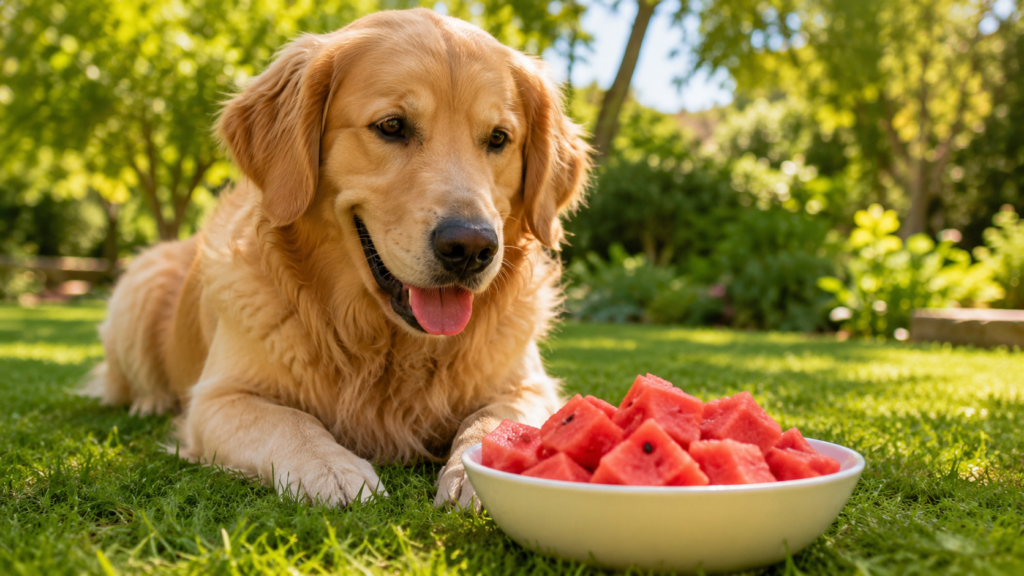
Watermelon
Seedless watermelon flesh can be offered occasionally after removing seeds and rind.
Read more:
https://warmwag.com/can-dogs-eat-watermelon/
Pineapple
Fresh pineapple in small pieces is generally a much better fruit choice than grapefruit.
Read more:
https://warmwag.com/can-dogs-eat-pineapple/
Strawberries
Fresh strawberries may be offered occasionally in moderation.
Fruits Dogs Should Avoid
Dog owners often assume all fruit is healthy.
That isn’t true.
Some fruits should be avoided completely or only offered after veterinary guidance.
Examples include:
- Grapes
- Raisins
- Grapefruit
- Lemons
- Limes
Always research any fruit before sharing it with your dog.
How to Introduce New Fruits Safely
Whenever introducing any new fruit:
Start Small
Offer only a tiny amount.
Watch how your dog reacts.
Introduce One Fruit at a Time
Don’t introduce several new foods together.
This makes it much easier to identify which food caused a reaction.
Watch for Symptoms
Monitor for:
- Vomiting
- Diarrhea
- Gas
- Itching
- Loss of appetite
If symptoms appear, discontinue the food and contact your veterinarian.
Remove Unsafe Parts
Always remove:
- Seeds
- Pits
- Thick peel
- Tough rind
before preparing fruit.
Frequently Asked Questions
Can dogs eat grapefruit?
No. Grapefruit is generally not recommended because it may irritate a dog’s digestive system.
Is grapefruit toxic to dogs?
Grapefruit is generally considered unsuitable rather than one of the classic highly toxic foods, but it should still be avoided.
Can puppies eat grapefruit?
No. Puppies have more sensitive digestive systems and should not be fed grapefruit.
Can dogs eat grapefruit peel?
No. Grapefruit peel contains concentrated citrus oils and should never be intentionally fed.
Can dogs eat grapefruit seeds?
Seeds provide no nutritional benefit and should be removed.
Can dogs drink grapefruit juice?
No. Grapefruit juice is unnecessary and may contain added sugars or preservatives.
Can dogs eat dried grapefruit?
No. Dried grapefruit products are even less suitable due to concentrated sugars and added ingredients.
Can dogs eat pink grapefruit?
No. Pink grapefruit is not considered safer than white grapefruit.
What happens if my dog eats grapefruit?
Some dogs develop digestive upset including vomiting, diarrhea, drooling, or stomach discomfort.
What fruits are better than grapefruit?
Blueberries, bananas, apples, watermelon, and pineapple are generally much better occasional fruit choices when properly prepared.
Final Verdict: Can Dogs Eat Grapefruit?
So, can dogs eat grapefruit?
The final answer is no—grapefruit is not recommended for dogs.
Although grapefruit is packed with nutrients for humans, it is not an ideal fruit for canine diets. The fruit contains natural citrus compounds that may irritate a dog’s digestive system, while the peel, rind, seeds, and citrus oils create additional concerns.
A very small accidental taste of the fruit may not always lead to a serious emergency, but because grapefruit provides very little benefit and several potential risks, veterinarians generally advise avoiding it completely.
Instead of grapefruit, dog owners should choose fruits that have a much better safety profile for dogs, such as blueberries, bananas, apples, watermelon, and pineapple.
If your dog accidentally eats grapefruit:
- Stay calm.
- Remove any remaining fruit.
- Monitor your dog for vomiting, diarrhea, drooling, loss of appetite, or unusual behavior.
- Contact your veterinarian if your dog consumed a large amount, ate the peel, or develops concerning symptoms.
When it comes to feeding fruit, safer choices are always the better choice.
Quick Safety Summary
| Question | Answer |
|---|---|
| Can dogs eat grapefruit? | |
| Can dogs eat grapefruit flesh? | |
| Can dogs eat grapefruit peel? | |
| Can dogs eat grapefruit seeds? | |
| Can dogs drink grapefruit juice? | |
| Can puppies eat grapefruit? | |
| Can senior dogs eat grapefruit? | |
| Is grapefruit beneficial for dogs? | |
| Are safer fruits available? |
Veterinary Advice
If your dog accidentally eats grapefruit, remember that every dog is different.
Factors such as:
- Age
- Breed
- Weight
- Overall health
- Medical conditions
- Amount consumed
all influence how your dog may respond.
If your dog begins showing:
- Continuous vomiting
- Severe diarrhea
- Weakness
- Collapse
- Difficulty breathing
- Bloody stool
- Persistent lethargy
seek veterinary care immediately.
Early veterinary advice is always better than waiting for symptoms to worsen.
Recommended Safe Fruits for Dogs
Instead of grapefruit, consider these healthier occasional treats:
Blueberries
https://warmwag.com/can-dogs-eat-blueberries/
Bananas
https://warmwag.com/can-dogs-eat-bananas/
Apples
https://warmwag.com/can-dogs-eat-apples/
Watermelon
https://warmwag.com/can-dogs-eat-watermelon/
Pineapple
https://warmwag.com/can-dogs-eat-pineapple/
Oranges (Read Before Feeding)
https://warmwag.com/can-dogs-eat-oranges/
Veterinary Disclaimer
This article is intended for educational purposes only and should not replace professional veterinary advice.
Every dog is unique, and individual reactions to foods may vary depending on age, breed, size, medical history, allergies, medications, and overall health.
If your dog has eaten grapefruit and develops concerning symptoms, consult your veterinarian immediately.
Never ignore persistent vomiting, severe diarrhea, breathing difficulties, or signs of pain.
Related Articles
Trusted External Resources
For additional veterinary guidance, visit these trusted organizations:
American Kennel Club (AKC)
ASPCA Animal Poison Control Center
Pet Poison Helpline