Can Dogs Eat Pomegranate?
If you are wondering, can dogs eat pomegranate, the short answer is pomegranate is not recommended as a regular treat for dogs.
Pomegranate is not the same as grapes or raisins, which are well known for their serious toxicity risks in dogs. However, that does not mean every part of a pomegranate is suitable for your dog. The fruit contains juicy arils surrounding relatively firm seeds, while the outer peel is tough and difficult to digest. Depending on how much a dog eats and which part of the fruit they consume, pomegranate may cause digestive upset.
The answer also depends on what you mean by pomegranate. Fresh arils, seeds, peel, juice, dried pomegranate, extracts, supplements, and pomegranate-flavored foods are all different products. They can have different ingredients and different potential concerns for dogs.
If your dog accidentally eats a small amount of pomegranate, do not automatically panic. Monitor your dog and consider how much they consumed, which part of the fruit they ate, and whether any symptoms develop. If your dog eats a large quantity or develops concerning symptoms, contact your veterinarian for individualized advice.

Table of Contents
- Can Dogs Eat Pomegranate?
- Is Pomegranate Safe for Dogs?
- Can Dogs Eat Pomegranate Seeds?
- Can Dogs Eat Pomegranate Arils?
- Can Dogs Eat Pomegranate Peel?
- Can Puppies Eat Pomegranate?
- Can Dogs Drink Pomegranate Juice?
- Can Dogs Eat Pomegranate-Flavored Foods?
- What Happens If a Dog Eats Pomegranate?
- Pomegranate Risks and Side Effects
- What to Do If Your Dog Eats Pomegranate
- When to Contact a Veterinarian
- Safer Fruit Alternatives for Dogs
- Frequently Asked Questions
- The Bottom Line for Dog Parents
Quick Answer
Can dogs eat pomegranate? Pomegranate is generally not recommended as a routine dog treat. The seeds and tough peel can be difficult to digest, and eating too much may cause gastrointestinal upset. If your dog accidentally eats a small amount, monitor them closely. If they consume a large quantity or develop repeated vomiting, severe diarrhea, significant abdominal discomfort, weakness, or other concerning symptoms, contact your veterinarian promptly.
Is Pomegranate Safe for Dogs?
When researching can dogs eat pomegranate, it is important to understand the difference between a food being highly toxic and a food being unsuitable or not recommended.
Pomegranate is not generally discussed in the same category as grapes and raisins. However, its structure and natural compounds can make it a less practical choice for dogs.
The juicy red arils contain relatively firm seeds. Dogs that eat quickly may swallow these pieces without properly chewing them. The tough outer peel is also not an appropriate dog treat because it is fibrous and difficult for a dog’s digestive system to process.
Some dogs may tolerate a small amount without noticeable problems, while others may experience digestive upset after eating unfamiliar foods.
This is why responsible dog feeding involves more than simply asking whether a food is “toxic.” Digestibility, preparation, portion size, your dog’s individual health, and the specific part of the food being consumed all matter.
For most dogs, there are simpler fruit choices that can be prepared and portioned more easily. Because pomegranate is not nutritionally essential to dogs, there is no reason to make it a regular part of their diet.
Key Takeaways for Dog Parents
If you are asking can dogs eat pomegranate, remember:
- Pomegranate is not a necessary food for dogs.
- Whole pomegranate should not be offered as a dog treat.
- The tough outer peel should not be intentionally fed.
- Pomegranate seeds may be difficult for some dogs to digest.
- Eating a large amount may increase the risk of gastrointestinal upset.
- Individual dogs can respond differently to unfamiliar foods.
- Puppies may have more sensitive digestive systems.
- Pomegranate juice may be concentrated and can contain additional ingredients.
- Processed pomegranate products may contain ingredients that are unsuitable for dogs.
- Dogs with existing health conditions may have different dietary requirements.
The safest approach is to avoid routinely feeding pomegranate and choose more suitable dog-friendly treats instead.
Can Dogs Eat Pomegranate Seeds?
One of the most common questions surrounding can dogs eat pomegranate is whether dogs can eat the seeds.
Pomegranate seeds are enclosed within the juicy red arils that people commonly eat. These seeds have a firmer texture than the soft flesh of many fruits commonly offered to dogs.
A small accidental exposure does not necessarily mean that a dog will become seriously ill. However, some dogs may experience digestive upset, particularly after consuming a larger quantity.
Dogs that eat rapidly may also swallow seeds without chewing them thoroughly.
For that reason, intentionally giving your dog a bowl full of pomegranate seeds is not a good idea. There are many other fruits that are easier to prepare and portion.
Are Pomegranate Seeds Toxic to Dogs?
Pomegranate seeds are not generally classified in the same way as highly toxic foods such as grapes or raisins.
However, there is an important difference between saying:
“This food is not considered highly toxic.”
and:
“This is a recommended food to feed your dog.”
Those statements are not interchangeable.
The amount consumed also matters. A dog that accidentally swallows a small amount may have a very different experience from a dog that eats a large portion of a whole pomegranate.
If your dog eats pomegranate seeds, consider:
- How much did your dog consume?
- Did they eat only the juicy arils or also the peel?
- How large is your dog?
- Is your dog a puppy, adult, or senior?
- Does your dog have an existing health condition?
- Are they showing any unusual symptoms?
If you are concerned about the quantity your dog consumed, contacting your veterinarian is the safest way to get individualized guidance.
Can Dogs Eat Pomegranate Arils?
The term pomegranate arils can make the answer to can dogs eat pomegranate confusing.
An aril is the juicy red covering surrounding the pomegranate seed. When people eat fresh pomegranate, they typically consume the juicy aril along with the seed inside.
Because the arils are soft and juicy, they may appear similar to other fruits commonly offered to dogs. However, the seed is still part of the food, and individual dogs may respond differently.
A dog that accidentally eats a small amount may not develop noticeable symptoms. However, feeding large quantities is not recommended.
If you are discussing pomegranate with your veterinarian, clarify whether you mean:
- The complete fruit
- The juicy arils
- The seeds
- The peel
- Pomegranate juice
- A pomegranate-based supplement
This distinction matters because each product can have different ingredients and different considerations.
For everyday treats, dog parents generally have better options available that are easier to prepare and portion.
Can Dogs Eat Pomegranate Peel?
No, pomegranate peel should not be intentionally fed to dogs.
The outer peel is thick, tough, and fibrous. It is significantly harder to digest than soft fruit.
If a dog eats pieces of pomegranate peel, they may experience digestive upset. Larger pieces may also be more difficult for the digestive tract to handle.
If your dog has eaten a small amount of peel, monitor them closely.
If your dog has consumed a large quantity or develops concerning symptoms, contact your veterinarian.
Watch for signs such as:
- Repeated vomiting
- Persistent or severe diarrhea
- Significant abdominal discomfort
- Marked weakness or lethargy
- Loss of appetite
- Difficulty passing stool
- Unusual behavior
- Any symptom that appears severe or rapidly worsens
Do not try to make your dog vomit at home unless your veterinarian specifically tells you to do so.
Can Puppies Eat Pomegranate?
If you are asking can dogs eat pomegranate because you have a puppy, extra caution is appropriate.
Puppies have developing digestive systems and specific nutritional requirements. Their primary diet should be a complete and balanced puppy food appropriate for their age, size, and growth needs.
Treats should make up only a small portion of a puppy’s overall food intake.
Pomegranate is not an essential food for puppies, and its seeds and texture make it a less practical choice than many other treats.
When considering a new food for a puppy, think about:
- The puppy’s age
- Breed and expected adult size
- Current diet
- Digestive sensitivity
- Overall health
- Food texture
- Portion size
If a puppy accidentally eats a small amount of pomegranate, monitor them for digestive changes.
If your puppy eats a large amount, consumes significant quantities of peel, or develops repeated vomiting, diarrhea, weakness, or obvious discomfort, contact your veterinarian promptly.
Can Dogs Drink Pomegranate Juice?
Pomegranate juice is not recommended as a regular drink for dogs.
Dogs do not need fruit juice for hydration. Fresh, clean water should always be the primary source of hydration available to your dog.
Commercial pomegranate juice may contain concentrated fruit sugars, added sweeteners, preservatives, or other ingredients that are not appropriate for dogs.
A product labeled “pomegranate juice” may also contain other fruit juices or additional ingredients, so dog parents should always check the complete label.
What About Homemade Pomegranate Juice?
Homemade juice may avoid some additives found in commercial products, but that does not make it necessary for dogs.
Juicing also makes it easier to consume a larger quantity of fruit in a short period.
Your dog can get all the hydration they need from fresh water, so there is generally no reason to add pomegranate juice to their daily diet.
If your dog accidentally drinks a small amount of plain pomegranate juice, monitor them for digestive changes. If the product contains additional ingredients or your dog consumes a significant quantity, contact your veterinarian for guidance.
Can Dogs Eat Pomegranate-Flavored Foods?
This is an area where dog parents need to be particularly careful.
A product described as pomegranate-flavored does not necessarily contain only pomegranate. Human foods can also contain ingredients that may be unsuitable or dangerous for dogs.
Depending on the product, pomegranate-flavored foods may contain:
- Added sugar
- Artificial sweeteners
- Excess salt
- Chocolate
- High-fat ingredients
- Dairy
- Preservatives
- Other fruit ingredients
- Ingredients that are unsafe for dogs
One ingredient dog parents should be especially aware of is xylitol, a sweetener that can be extremely dangerous to dogs.
Never assume a human food is safe simply because it contains a fruit that sounds healthy.
Always check the complete ingredient list before sharing human food with your dog.

The Bottom Line for Dog Parents
So, can dogs eat pomegranate?
The most practical answer is that pomegranate is best avoided as a routine dog treat.
It is important not to confuse pomegranate with highly toxic foods such as grapes and raisins. However, pomegranate still has characteristics that make it a less practical choice for dogs, including its firm seeds, tough peel, and potential to cause digestive upset when consumed in larger amounts.
If your dog accidentally eats a small amount, stay calm and monitor them.
If they consume a large quantity, eat significant amounts of peel, or develop concerning symptoms, contact your veterinarian for advice.
For regular treats, consider fruits that are easier to prepare, portion, and digest.
The goal is not to give your dog every fruit that humans can eat. The goal is to choose safe, appropriate treats that fit your individual dog’s nutritional needs and overall health.
What Happens If a Dog Eats Pomegranate?
If your dog has eaten pomegranate and you are searching can dogs eat pomegranate, the first thing to remember is that the outcome depends on how much your dog ate, which part of the fruit was consumed, and your dog’s individual health.
A dog that accidentally eats a small amount of pomegranate may have no noticeable reaction at all. Another dog may develop temporary digestive upset after eating the same amount.
The biggest concern is usually not that pomegranate is a classic highly toxic food. Instead, the concern is that the seeds, peel, and large quantities of fruit may not be well tolerated by every dog.
If your dog has eaten pomegranate, try to determine:
- Approximately how much was eaten
- Whether the dog ate arils, seeds, peel, or a combination
- Whether the fruit was fresh or processed
- Whether the product contained additional ingredients
- Your dog’s approximate size and age
- Whether your dog has any existing medical conditions
- Whether symptoms have already started
Do not assume that a dog will become sick simply because they ate pomegranate. At the same time, don’t ignore significant symptoms if they develop.
A calm, practical response is usually best: remove access to the remaining fruit, monitor your dog, and contact your veterinarian if you are concerned about the amount consumed or if symptoms appear.
Pomegranate Risks and Side Effects in Dogs
The potential problems associated with pomegranate are generally related to digestive tolerance, quantity, and the part of the fruit consumed.
Not every dog will experience the same reaction.
1. Digestive Upset
One of the most likely concerns after eating an unfamiliar fruit is gastrointestinal upset.
A dog may develop:
- Loose stools
- Diarrhea
- Vomiting
- Gas
- Reduced appetite
- Mild abdominal discomfort
These symptoms can have many possible causes, so it is not always possible to know whether pomegranate itself is responsible.
If symptoms are mild and short-lived, your veterinarian may recommend monitoring your dog. However, persistent or severe symptoms should not be ignored.
2. Eating Too Much Pomegranate
Portion size matters.
A small amount accidentally consumed by a large adult dog is very different from a small puppy eating a large quantity.
Eating a large amount of any unfamiliar food can increase the chance of digestive upset.
If your dog has eaten a significant quantity of pomegranate, especially if they also consumed the peel, contact your veterinarian for advice about what to do next.
3. Pomegranate Peel and Tough Plant Material
The tough outer peel is not appropriate for dogs to eat.
Dogs may have difficulty digesting tough, fibrous plant material. Large pieces can be particularly concerning because they may be harder for the digestive system to process.
If your dog has swallowed a large piece of peel, do not assume that nothing will happen. Monitor your dog and speak with a veterinarian if you are concerned.
4. Individual Food Sensitivity
Every dog is different.
Some dogs have sensitive digestive systems and may react to dietary changes more easily than others.
Dogs with a history of:
- Sensitive stomachs
- Food allergies
- Chronic gastrointestinal problems
- Pancreatitis
- Other digestive conditions
may need a more carefully controlled diet.
If your dog has an existing health condition, ask your veterinarian before introducing unusual fruits or human foods.
What Are the Symptoms of Pomegranate Upset in Dogs?
If your dog has eaten pomegranate, monitor for changes in normal behavior and digestion.
Potential signs of gastrointestinal upset can include:
- Vomiting
- Diarrhea
- Loose stool
- Gas
- Drooling
- Reduced appetite
- Restlessness
- Mild abdominal discomfort
- Lethargy
The severity and duration of symptoms matter.
A single episode of mild digestive upset may be less concerning than repeated vomiting, severe diarrhea, or a dog that becomes increasingly weak or lethargic.
You should also consider your dog’s age and health. A young puppy, senior dog, or dog with an existing medical condition may require more cautious monitoring.
If you are unsure whether your dog’s symptoms are serious, contacting your veterinarian is the safest option.
When Should You Call a Veterinarian?
If you are researching can dogs eat pomegranate because your dog has already consumed some, knowing when to seek professional advice is important.
Contact your veterinarian promptly if your dog:
- Eats a large amount of pomegranate
- Consumes a significant amount of peel
- Has repeated vomiting
- Develops severe or persistent diarrhea
- Appears to have significant abdominal pain
- Becomes unusually weak or lethargic
- Refuses food for an extended period
- Shows signs of dehydration
- Has difficulty passing stool
- Develops symptoms that are severe or worsening
You should also contact your veterinarian if your dog has a known medical condition and you are unsure how the fruit may affect them.
Do Not Try Home Remedies Without Veterinary Guidance
If your dog has eaten something you are concerned about, avoid experimenting with home remedies.
Do not attempt to induce vomiting unless a veterinarian specifically instructs you to do so.
The correct response can depend on the food, the amount consumed, your dog’s size, and the time since ingestion.
When in doubt, professional veterinary guidance is safer than guessing.
How Much Pomegranate Can Dogs Eat?
There is no universal “safe serving size” of pomegranate that applies to every dog.
This is an important point because dog parents sometimes search for a specific number of seeds or tablespoons.
The appropriate amount, if any, depends on factors such as:
- Dog’s body size
- Age
- Overall health
- Digestive sensitivity
- Current diet
- Other treats consumed that day
Because pomegranate is not an essential part of a dog’s diet, there is no nutritional reason to make it a regular treat.
If you are considering offering any pomegranate to your dog, discuss the idea with your veterinarian first, particularly if your dog has health concerns.
For routine fruit treats, many dog parents choose fruits that are easier to prepare and portion.
Can Dogs Eat Dried Pomegranate?
Dried pomegranate products require extra caution.
The word “dried” can refer to several different products, and the ingredients can vary significantly.
Some dried fruit products may contain:
- Added sugar
- Syrups
- Preservatives
- Other dried fruits
- Artificial sweeteners
- Flavorings
The nutritional concentration can also change when water is removed from fruit, making it easier for a dog to consume a larger quantity.
For these reasons, dried pomegranate is not a recommended routine treat for dogs.
Always check the complete ingredient list before allowing your dog to consume any human dried-fruit product.
Can Dogs Eat Pomegranate Extract or Supplements?
Pomegranate extracts and supplements should not be treated the same as fresh fruit.
Supplements can contain concentrated ingredients and may be formulated for human use rather than canine nutrition.
A supplement that is safe for people is not automatically safe for dogs.
If you are considering a pomegranate-based supplement because you believe it may improve your dog’s health, speak with your veterinarian first.
Your veterinarian can help determine whether your dog actually needs a supplement and whether a particular product is appropriate.
Never replace a veterinarian-recommended treatment with a fruit extract or supplement without professional guidance.
Can Dogs Eat Pomegranate Seeds Every Day?
No. Pomegranate should not be used as a daily treat for dogs.
Dogs need a complete and balanced diet that provides the nutrients required for their life stage.
Treats, including fruit, should generally remain a small part of the overall diet.
Feeding the same unusual fruit repeatedly can also increase the likelihood of digestive upset in sensitive dogs.
If you want to give your dog occasional fruit treats, rotate among suitable options and keep portions appropriate for your dog’s size and daily calorie needs.
Pomegranate vs. Other Fruits for Dogs
When deciding can dogs eat pomegranate, it helps to compare it with fruits that are easier to prepare.
Pomegranate
- Firm seeds
- Tough outer peel
- More complicated preparation
- May cause digestive upset
- Not necessary in a dog’s diet
Blueberries
Blueberries are small and easy to portion for many dogs. They can be offered as an occasional treat when appropriate for the individual dog.
Internal link:https://warmwag.com/can-dogs-eat-blueberries/
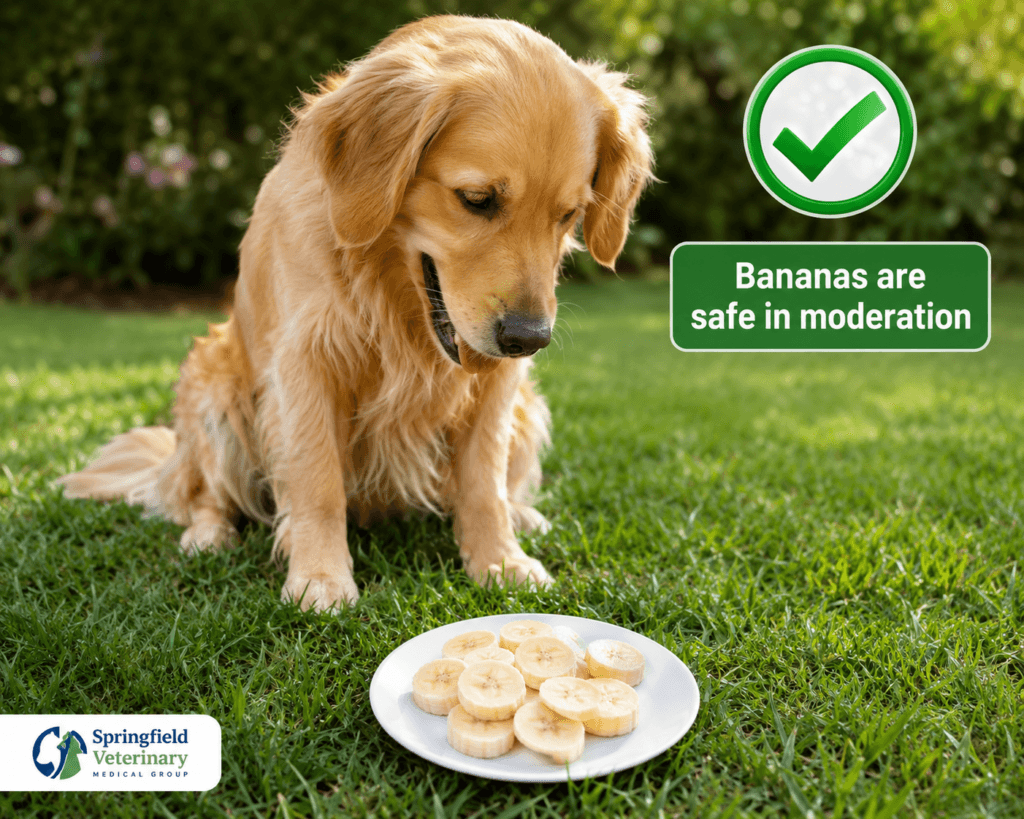
Bananas
Bananas are soft and easy to prepare, although they contain natural sugars and should be offered in moderation.
Internal link:https://warmwag.com/can-dogs-eat-bananas/
Watermelon
Seedless watermelon flesh can be a refreshing occasional treat when the rind and seeds are removed appropriately.
Internal link:https://warmwag.com/can-dogs-eat-watermelon/
Pineapple
Pineapple can be offered to some dogs in small, carefully prepared portions, with the tough outer skin and core removed.
Internal link:https://warmwag.com/can-dogs-eat-pineapple/
The important point is that not every fruit needs to be included in your dog’s diet. Dogs can enjoy treats without needing access to every fruit humans eat.

How to Safely Handle Accidental Pomegranate Ingestion
If your dog has eaten pomegranate, follow a simple step-by-step approach.
Step 1: Remove the Remaining Fruit
Take away any remaining pomegranate so your dog cannot continue eating.
Step 2: Estimate the Amount
Try to determine approximately how much your dog consumed.
You do not need an exact measurement, but knowing whether it was one small piece or a large quantity can help your veterinarian provide better guidance.
Step 3: Identify What Was Consumed
Try to determine whether your dog ate:
- Arils
- Seeds
- Peel
- Juice
- Dried pomegranate
- A processed pomegranate product
The ingredients and amount can make a difference.
Step 4: Check Your Dog
Monitor your dog for changes in:
- Appetite
- Energy
- Stool
- Vomiting
- Behavior
- Comfort level
Step 5: Contact Your Veterinarian if Needed
If your dog ate a large amount or develops concerning symptoms, contact your veterinarian.
If you are unsure what to do, it is better to ask a professional than to rely on online advice alone.
Should You Give Your Dog Pomegranate as a Treat?
For most dog parents, the answer is there is no compelling reason to choose pomegranate as a regular treat.
Dogs can receive complete nutrition from a properly formulated diet without consuming pomegranate.
When selecting treats, consider:
- Safety
- Digestibility
- Portion size
- Calorie content
- Your dog’s individual health
- The food’s preparation requirements
A good dog treat should be easy to portion and appropriate for your dog’s overall diet.
Pomegranate simply does not offer enough practical advantage to justify making it a regular treat for most dogs.
Key Takeaway
If you are still asking can dogs eat pomegranate, the most useful takeaway is this:
Pomegranate is not a necessary part of a dog’s diet and is not recommended as a routine treat.
A small accidental amount may not cause a serious problem, but larger quantities, tough peel, and individual digestive sensitivity can create concerns.
The best approach is to monitor your dog after accidental ingestion, avoid giving large amounts intentionally, and contact your veterinarian if your dog develops concerning symptoms.
For regular fruit treats, choose options that are easier to prepare and portion appropriately.
What Should You Do If Your Dog Eats Pomegranate?
If your dog has eaten pomegranate and you are searching can dogs eat pomegranate, the most important thing is to stay calm and assess the situation.
A small accidental amount may not cause any serious problems, but the situation can be different if your dog consumed a large amount, ate significant pieces of peel, or consumed a processed product containing additional ingredients.
Start by removing any remaining pomegranate from your dog’s reach. Then try to determine approximately what your dog ate and how much.
You should consider:
- Was it fresh pomegranate?
- Did your dog eat the juicy arils?
- Did they swallow seeds?
- Did they eat pieces of peel?
- Did they drink pomegranate juice?
- Was it a dried or processed product?
- Did the product contain other ingredients?
- How large is your dog?
- Is your dog a puppy or senior?
- Does your dog have any existing medical conditions?
This information can be helpful if you need to contact your veterinarian.
Step-by-Step Guide After Accidental Pomegranate Consumption
Step 1: Remove the Remaining Pomegranate
Immediately remove any remaining fruit from your dog’s access.
If your dog is still eating pomegranate, preventing additional consumption is the first priority.
Keep the remaining fruit and packaging, if applicable, so you can check the ingredients later if needed.
Step 2: Estimate How Much Your Dog Ate
Try to estimate the amount consumed.
You do not need an exact measurement. A general estimate can still be useful.
For example, consider whether your dog ate:
- One or two small pieces
- A small portion of arils
- Several spoonfuls
- A large part of a whole pomegranate
- A significant amount of peel
- An entire processed product
The size of your dog also matters.
A large adult Labrador Retriever and a very small puppy may respond differently to the same amount of food.
Step 3: Identify the Part of the Fruit
When considering can dogs eat pomegranate, it is important to identify exactly what your dog consumed.
The fruit may include:
- Juicy arils
- Firm seeds
- Outer peel
- Juice
- Dried fruit
- Extracts
- Supplements
Fresh fruit and processed products should not automatically be considered equivalent.
If your dog ate a commercial product, check the ingredient list carefully.
Step 4: Monitor Your Dog
Keep an eye on your dog’s normal behavior.
Watch for changes in:
- Appetite
- Energy
- Stool consistency
- Vomiting
- Water intake
- Bathroom habits
- Comfort
- General behavior
A dog that is acting normally and has no symptoms may simply need observation.
However, symptoms that are severe, persistent, or worsening require veterinary attention.
Step 5: Contact Your Veterinarian When Appropriate
If your dog consumed a large quantity, ate substantial amounts of peel, or develops concerning symptoms, contact your veterinarian.
Your veterinarian can consider your dog’s:
- Breed
- Weight
- Age
- Medical history
- Amount consumed
- Type of product
- Current symptoms
This allows them to provide advice that is specific to your dog’s circumstances.
When Should You Contact a Veterinarian?
One of the most important parts of understanding can dogs eat pomegranate is knowing when accidental ingestion requires professional attention.
Contact your veterinarian promptly if your dog:
- Ate a large amount of pomegranate
- Consumed significant amounts of peel
- Has repeated vomiting
- Develops severe or persistent diarrhea
- Appears to have significant abdominal pain
- Becomes unusually weak or lethargic
- Refuses food for an extended period
- Shows signs of dehydration
- Has difficulty passing stool
- Develops symptoms that are rapidly worsening
- Has a known medical condition that may make dietary changes more concerning
If your dog is experiencing severe symptoms, seek veterinary care rather than waiting for the symptoms to resolve on their own.
Do Not Try to Make Your Dog Vomit Without Veterinary Advice
If your dog eats something you are concerned about, it may be tempting to try a home remedy.
That is not always safe.
Do not induce vomiting unless a veterinarian specifically instructs you to do so.
The correct response depends on several factors, including:
- What was eaten
- How much was eaten
- How long ago it was consumed
- The dog’s age
- The dog’s size
- The dog’s health status
Trying an inappropriate home treatment can sometimes create additional risks.
If you are worried, contact your veterinarian and explain exactly what happened.
Can Pomegranate Cause Stomach Problems in Dogs?
Yes, pomegranate may cause digestive upset in some dogs, especially if they eat a larger quantity or are sensitive to dietary changes.
Possible symptoms may include:
- Vomiting
- Diarrhea
- Loose stool
- Gas
- Drooling
- Reduced appetite
- Restlessness
- Mild abdominal discomfort
- Temporary lethargy
These symptoms are not unique to pomegranate. They can occur for many reasons, including eating too much food, consuming unfamiliar foods, or developing an unrelated gastrointestinal problem.
That is why dog parents should pay attention to the severity and duration of symptoms.
A dog with one mild episode of loose stool may be very different from a dog with repeated vomiting and severe lethargy.
When symptoms are severe, persistent, or worsening, veterinary evaluation is appropriate.
Can Dogs Eat Pomegranate Every Day?
No, pomegranate should not be a daily treat for dogs.
Dogs require a complete and balanced diet designed to meet their nutritional needs. Fruit should never replace a properly formulated dog food.
Even if a dog appears to tolerate a particular fruit, that does not mean it needs to be included in the daily diet.
Pomegranate is also more complicated to prepare than many other fruits. The seeds and tough peel make it less practical as an everyday snack.
If you want to offer fruit occasionally, focus on:
- Small portions
- Appropriate preparation
- Simple ingredients
- Your dog’s individual tolerance
- Overall daily calorie intake
Treats should remain a small part of your dog’s diet.
Can Dogs Eat Pomegranate Seeds in Large Amounts?
Large amounts of pomegranate seeds are not recommended.
While pomegranate is not generally considered one of the classic highly toxic foods for dogs, eating a large quantity can increase the possibility of digestive upset.
The risk may also depend on the size of the dog.
For example, a large adult dog may consume a small amount without obvious symptoms, while a very small dog or puppy may be more affected by the same quantity.
If your dog has consumed a large amount, don’t rely solely on general online information. Contact your veterinarian and explain the approximate amount eaten.
Can Dogs Eat Pomegranate Peel in Large Amounts?
Pomegranate peel should not be intentionally fed to dogs.
The peel is tough and fibrous, making it a poor choice for canine digestion.
If a dog eats a significant quantity of peel, it is reasonable to contact your veterinarian for advice, especially if the dog begins showing digestive symptoms.
Monitor for:
- Vomiting
- Diarrhea
- Abdominal discomfort
- Loss of appetite
- Lethargy
- Difficulty passing stool
- Changes in normal behavior
If symptoms become severe or rapidly worsen, seek veterinary care.
Can Dogs Eat Pomegranate Yogurt?
This is another situation where dog parents should look beyond the fruit itself.
Some human yogurts may contain pomegranate flavoring but also include:
- Added sugar
- Artificial sweeteners
- Xylitol
- High-fat ingredients
- Other flavorings
- Preservatives
A dog should never be given a product containing an ingredient that is toxic to dogs.
If you are considering sharing yogurt with your dog, read the full ingredient label first and discuss appropriate options with your veterinarian if your dog has dietary restrictions.
Plain yogurt may be tolerated by some dogs, but individual dogs can react differently to dairy products.
The safest approach is to avoid giving your dog flavored human desserts simply because they contain a fruit that sounds healthy.
Can Dogs Eat Pomegranate Smoothies?
Pomegranate smoothies are generally not a good choice for dogs.
A smoothie may contain several ingredients, and some may be unsuitable or unsafe for dogs.
Depending on the recipe, smoothies can contain:
- Added sugar
- Milk or cream
- Artificial sweeteners
- Chocolate
- Grapes
- Raisins
- High-fat ingredients
- Other fruits
- Protein powders
- Supplements
The combination of ingredients makes it difficult to assess safety based solely on the word “pomegranate.”
If your dog accidentally drinks a small amount of a homemade smoothie, check every ingredient used in the recipe.
If the smoothie contained grapes, raisins, xylitol, chocolate, or another ingredient known to be dangerous for dogs, contact your veterinarian promptly.
Can Dogs Eat Pomegranate Desserts?
Pomegranate desserts are generally not appropriate for dogs.
Desserts may contain ingredients that are too rich or potentially dangerous for dogs.
Examples include:
- Chocolate
- Xylitol
- High levels of sugar
- High-fat cream
- Artificial sweeteners
- Alcohol-based flavorings
- Excess dairy
Even when the dessert contains real pomegranate, the other ingredients may create a much greater concern.
For this reason, avoid sharing pomegranate cakes, pastries, candies, ice cream, or other processed desserts with your dog.
What Are Better Fruit Choices for Dogs?
If you are searching can dogs eat pomegranate because you want to give your dog healthy fruit treats, there are several alternatives that may be more practical.
The key is still moderation and appropriate preparation.
Blueberries
Blueberries are small and convenient to portion for many dogs.
They can be offered as an occasional treat to dogs that tolerate them.
Read the full guide:
https://warmwag.com/can-dogs-eat-blueberries/
Bananas
Bananas are soft and easy to prepare.
Because they contain natural sugars and calories, they should still be given in moderation.
Cut banana into appropriately sized pieces for your dog rather than allowing them to eat large amounts at once.
Read the full guide:
https://warmwag.com/can-dogs-eat-bananas/
Watermelon
Seedless watermelon flesh can be a refreshing occasional treat for many dogs.
Remove the rind and seeds before offering watermelon.
Read the full guide:
https://warmwag.com/can-dogs-eat-watermelon/
Pineapple
Some dogs can enjoy small amounts of fresh pineapple when it is properly prepared.
Remove the tough outer skin and hard core before offering it.
Read the full guide:
https://warmwag.com/can-dogs-eat-pineapple/
Apples
Small pieces of fresh apple can be an occasional treat for many dogs.
Remove the core and seeds, and cut the fruit into appropriately sized pieces.
Read the full guide:
https://warmwag.com/can-dogs-eat-apples/
How to Prepare Fruit for Dogs Safely
Regardless of which fruit you choose, preparation matters.
Remove Hard or Tough Parts
Depending on the fruit, remove:
- Seeds
- Pits
- Cores
- Rinds
- Tough peels
- Hard stems
Cut Fruit Into Appropriate Pieces
Large pieces can be difficult for some dogs to chew and may create a choking concern.
Cut fruit into appropriately sized portions based on your dog’s size.
Introduce New Foods Slowly
If your dog has never eaten a particular fruit before, start with a very small amount.
Monitor for changes in:
- Stool
- Appetite
- Vomiting
- Gas
- General behavior
If your dog develops digestive problems, stop offering the new food and contact your veterinarian if symptoms are concerning.
Keep Treats Moderate
Even healthy foods contain calories.
Fruit should be an occasional addition rather than a replacement for a complete and balanced diet.

Frequently Asked Questions About Dogs and Pomegranate
Can Dogs Eat Pomegranate?
Pomegranate is generally not recommended as a regular treat for dogs. The seeds and tough peel can be difficult to digest, and eating larger amounts may cause gastrointestinal upset.
Can Dogs Eat Pomegranate Seeds?
Pomegranate seeds are not generally considered a classic highly toxic food for dogs, but they are not an ideal routine treat. Dogs that consume larger quantities may experience digestive upset.
Can Dogs Eat Pomegranate Peel?
No. Pomegranate peel is tough, fibrous, and difficult to digest. It should not be intentionally fed to dogs.
Can Puppies Eat Pomegranate?
Puppies have developing digestive systems and specific nutritional requirements. Pomegranate is not necessary for puppy nutrition and is not recommended as a routine puppy treat.
Can Dogs Drink Pomegranate Juice?
Pomegranate juice is not necessary for dogs. Fresh water should be the primary source of hydration. Commercial juice may also contain added sugars or other ingredients unsuitable for dogs.
What Happens If My Dog Eats Pomegranate?
A small accidental amount may not cause noticeable problems, but some dogs may develop digestive upset. Monitor your dog and contact your veterinarian if a large amount was consumed or concerning symptoms develop.
Can Dogs Eat Dried Pomegranate?
Dried pomegranate products are not recommended as a routine dog treat. They may contain concentrated fruit sugars, added ingredients, or preservatives.
Can Dogs Eat Pomegranate Yogurt?
Avoid giving flavored pomegranate yogurt without checking every ingredient. Some products may contain added sweeteners or other ingredients that are unsuitable or dangerous for dogs.
Can Dogs Eat Pomegranate Smoothies?
Pomegranate smoothies are not recommended because they may contain several ingredients that are unsuitable for dogs. Always check the complete recipe if your dog accidentally consumes one.
What Fruits Are Safer Alternatives to Pomegranate?
Depending on your dog’s individual health and dietary needs, fruits such as blueberries, bananas, seedless watermelon, apples, and small amounts of fresh pineapple may be more practical occasional treats when properly prepared.
Final Verdict: Can Dogs Eat Pomegranate?
So, can dogs eat pomegranate?
The most practical answer for dog parents is: pomegranate is best avoided as a regular dog treat.
Pomegranate is not generally placed in the same category as highly toxic foods such as grapes and raisins. However, the fruit has several characteristics that make it a less convenient choice for dogs. The seeds can be firm and difficult for some dogs to digest, the peel is tough and fibrous, and eating larger amounts may contribute to gastrointestinal upset.
If your dog accidentally eats a small amount, there is usually no reason to immediately panic. Remove the remaining fruit, determine approximately how much was consumed, and monitor your dog for unusual symptoms.
If your dog eats a large amount, consumes significant quantities of peel, or develops repeated vomiting, severe diarrhea, marked weakness, significant abdominal discomfort, or other concerning symptoms, contact your veterinarian promptly.
The most important point is that dogs do not need pomegranate to maintain a healthy diet. There are plenty of other treats that may be easier to prepare and portion.
When choosing fruit for your dog, always consider your dog’s individual health, age, size, dietary requirements, and tolerance.
10 Important Things to Remember
If you only remember a few points from this guide, remember these:
1. Pomegranate Is Not a Necessary Dog Food
Your dog does not need pomegranate for complete nutrition.
A high-quality complete and balanced dog food should provide the essential nutrients your dog needs.
2. Pomegranate Is Not the Same as Grapes or Raisins
Do not confuse pomegranate with grapes and raisins.
Grapes and raisins are associated with potentially serious toxicity in dogs, while pomegranate is not generally categorized in the same way.
However, that does not make pomegranate an ideal routine treat.
3. Avoid Feeding the Peel
The tough outer peel is not appropriate for dogs.
It is fibrous and difficult to digest.
4. Large Amounts Are More Concerning
The amount consumed matters.
A small accidental exposure is different from a dog eating a large quantity of fruit.
5. Watch for Digestive Symptoms
Monitor for:
- Vomiting
- Diarrhea
- Loose stool
- Loss of appetite
- Abdominal discomfort
- Unusual lethargy
6. Puppies Need Extra Care
Puppies have developing digestive systems and specific nutritional needs.
Their main diet should be appropriate complete and balanced puppy food.
7. Pomegranate Juice Is Unnecessary
Dogs do not need fruit juice.
Fresh, clean water should be the primary source of hydration.
8. Check Processed Food Ingredients
Pomegranate-flavored foods may contain additional ingredients that are not appropriate for dogs.
Always check the complete ingredient list.
9. Individual Dogs Are Different
A food that does not bother one dog may cause digestive upset in another.
Your dog’s health history matters.
10. When in Doubt, Ask Your Veterinarian
Online information can provide general guidance, but it cannot replace individualized veterinary advice.
If you are worried about what your dog ate or your dog develops concerning symptoms, contact your veterinarian.
Safer Fruit Alternatives for Dogs
If you are searching can dogs eat pomegranate because you want to add healthy fruit to your dog’s treat rotation, there are other options that may be easier to prepare.
Remember that even dog-friendly fruits should be offered in moderation.
Blueberries
Blueberries are small, convenient, and easy to portion for many dogs.
They can be offered occasionally to dogs that tolerate them.
Read more:
https://warmwag.com/can-dogs-eat-blueberries/
Bananas
Bananas are soft and easy to cut into small pieces.
Because they contain natural sugars and calories, moderation is still important.
Read more:
https://warmwag.com/can-dogs-eat-bananas/
Watermelon
Seedless watermelon flesh can be a refreshing occasional treat.
Remove the rind and seeds before serving.
Read more:
https://warmwag.com/can-dogs-eat-watermelon/
Pineapple
Fresh pineapple can be offered to some dogs in small portions when properly prepared.
Remove the tough outer skin and hard core.
Read more:
https://warmwag.com/can-dogs-eat-pineapple/
Apples
Small pieces of fresh apple can be an occasional treat for many dogs.
Remove the core and seeds, then cut the fruit into appropriately sized pieces.
Read more:
https://warmwag.com/can-dogs-eat-apples/
How to Introduce Any New Fruit to Your Dog
Even when a fruit is generally considered suitable for dogs, introduce it carefully.
Start With a Small Amount
Give your dog a very small portion the first time.
This makes it easier to observe how your dog responds.
Observe Your Dog
Watch for:
- Loose stool
- Diarrhea
- Vomiting
- Gas
- Itching
- Changes in appetite
- Unusual behavior
If you notice concerning symptoms, stop offering the new food and contact your veterinarian when appropriate.
Keep Treats Limited
Fruit should remain a small part of your dog’s overall diet.
Too many treats can contribute to excess calorie intake and weight gain.
Prepare Fruit Correctly
Remove parts that may be difficult or inappropriate for dogs, such as:
- Pits
- Cores
- Seeds
- Tough rinds
- Hard stems
Cut food into appropriately sized pieces for your dog.
Frequently Asked Questions: Quick Answers
Is pomegranate poisonous to dogs?
Pomegranate is not generally considered one of the classic highly toxic foods for dogs, but it is not recommended as a routine treat. Large amounts, seeds, peel, or processed products may cause concerns.
What should I do if my dog ate pomegranate?
Remove the remaining fruit and estimate how much your dog consumed. Monitor for symptoms and contact your veterinarian if a large amount was eaten or concerning symptoms develop.
Can dogs eat pomegranate seeds?
Pomegranate seeds are not an ideal routine dog treat. They may be difficult for some dogs to digest, especially when consumed in larger quantities.
Can dogs eat pomegranate peel?
No. The tough peel should not be intentionally fed to dogs.
Can puppies eat pomegranate?
Pomegranate is not necessary for puppies and is not recommended as a routine puppy treat. Puppies should primarily eat a complete and balanced diet formulated for their growth needs.
Can dogs drink pomegranate juice?
Pomegranate juice is unnecessary for dogs. Fresh water is the best everyday hydration choice.
Can dogs eat pomegranate yogurt?
Check the complete ingredient list. Flavored yogurt may contain added sugar, sweeteners, or other ingredients that are unsuitable for dogs.
Can dogs eat pomegranate smoothies?
Pomegranate smoothies are not recommended because they may contain other ingredients that are unsafe or unsuitable for dogs.
What fruits can dogs eat instead?
Depending on the individual dog, blueberries, bananas, seedless watermelon, apples, and small amounts of fresh pineapple may be more practical occasional fruit treats when prepared appropriately.
Should I intentionally give my dog pomegranate?
For most dogs, there is no strong reason to do so. Pomegranate is not nutritionally necessary, and there are simpler fruit choices available.
Veterinary Disclaimer
This article is intended for general educational and informational purposes only and is not a substitute for professional veterinary advice, diagnosis, or treatment.
Every dog is different. Age, breed, size, existing medical conditions, medications, allergies, and individual dietary needs can affect how a dog responds to a particular food.
If your dog has eaten a large quantity of pomegranate, consumed a processed pomegranate product, or is showing concerning symptoms, contact your veterinarian or a qualified veterinary professional for personalized guidance.
Never delay professional veterinary care because of information found online.
Suggested External Veterinary Resources
For additional trusted pet health information, dog parents can consult established veterinary and animal-health organizations:
These resources can provide additional information about pet safety and potential toxic exposures.