Table of Contents
- Introduction
- Quick Answer: Can Dogs Eat Raisins?
- Why Are Raisins Dangerous for Dogs?
- What Happens If a Dog Eats Raisins?
- Signs of Raisin Toxicity
- What to Do If Your Dog Eats Raisins
- Can Puppies Eat Raisins?
- Safe Fruit Alternatives
- 10 FAQs
- Final Verdict
- Conclusion

Introduction
If you are wondering can dogs eat raisins, the safest answer is no.
Raisins may look like a harmless snack, but they are not considered safe for dogs. Raisin ingestion has been associated with serious illness in dogs, including acute kidney injury, and the response can be unpredictable.
This makes raisins very different from many human foods that dogs can occasionally enjoy.
One of the biggest challenges for dog owners is that there is no reliable way to predict exactly how an individual dog will respond after eating raisins. A dog may initially appear completely normal, while another dog may develop serious symptoms.
Raisins are also found in many everyday foods that dogs may accidentally eat. Raisin bread, oatmeal raisin cookies, trail mix, granola, fruitcake, and other baked goods can all become potential sources of accidental exposure.
If your dog has eaten raisins, do not simply wait for symptoms to appear.
Contact your veterinarian or an emergency veterinary clinic as soon as possible. Provide information about what your dog ate, approximately how much was consumed, and when the ingestion occurred.
In this guide, we will explain why raisins are dangerous for dogs, the possible warning signs of toxicity, what to do after accidental ingestion, and safer treat options for your pet.
Quick Answer: Can Dogs Eat Raisins?
No. Dogs should not eat raisins.
If you are asking can dogs eat raisins, the safest answer is a clear no.
Raisins are dried grapes and are considered potentially toxic to dogs. Eating them has been associated with serious health complications, including acute kidney injury.
The concern applies to:
- Plain raisins
- Golden raisins
- Dark raisins
- Sultanas
- Raisin bread
- Oatmeal raisin cookies
- Trail mix containing raisins
- Fruitcake containing raisins
- Other foods containing raisins
There is no recommended serving size of raisins for dogs.
The safest amount is zero.
Dog owners should also avoid trying to calculate a “safe number” of raisins based only on their dog’s size. Individual reactions can vary, and the severity of a potential reaction cannot be reliably predicted at home.
If your dog accidentally eats raisins, contact your veterinarian promptly—even if your dog appears completely normal.
Why Are Raisins Dangerous for Dogs?
The primary concern associated with raisin ingestion is the potential for acute kidney injury.
The kidneys perform essential functions in a dog’s body. They help filter waste from the bloodstream, regulate fluids and electrolytes, and support normal internal balance.
When kidney function becomes severely impaired, a dog can become seriously ill.
Possible problems associated with raisin ingestion may include:
- Vomiting
- Diarrhea
- Loss of appetite
- Lethargy
- Weakness
- Abdominal discomfort
- Dehydration
- Increased thirst
- Changes in urination
- Acute kidney injury
The exact mechanism behind grape and raisin toxicity has been investigated by veterinary researchers, but the practical message for dog owners is straightforward:
Raisins should be treated as potentially dangerous and should never be intentionally fed to dogs.
The Exact Toxic Dose Is Not Predictable
A common question owners ask is how many raisins a dog can eat before becoming sick.
Unfortunately, there is no simple answer that guarantees safety.
Individual dogs may react differently to raisin ingestion. The amount consumed, the dog’s size, individual sensitivity, and other factors may influence the outcome.
Because of this uncertainty, dog owners should not rely on a specific number of raisins as a guaranteed safe threshold.
Instead, the safest approach is complete avoidance.
If accidental ingestion occurs, speak with a veterinarian rather than trying to determine the risk yourself.

What Happens If a Dog Eats Raisins?
If a dog eats raisins, the situation should be taken seriously.
The first step is to remain calm and gather as much information as possible.
Try to determine:
- How many raisins were eaten?
- Were they plain raisins or part of another food?
- When did the ingestion occur?
- What is your dog’s approximate weight?
- Is your dog showing any symptoms?
- Could your dog have eaten additional raisins that you did not see?
Once you have gathered the available information, contact your veterinarian or an emergency veterinary clinic.
Do not wait for symptoms to appear before seeking professional advice.
A dog may appear normal immediately after eating raisins, but that does not necessarily mean the exposure is harmless.
A veterinarian can evaluate the circumstances and determine the appropriate next steps.
Depending on the individual case, veterinary care may include decontamination, supportive treatment, blood testing, and monitoring of kidney function.
The earlier the situation is assessed, the sooner appropriate care can be considered.
Nutritional Value of Raisins
Raisins contain nutrients that may be part of a human diet, including:
- Natural carbohydrates
- Natural sugars
- Dietary fiber
- Small amounts of vitamins and minerals
- Plant compounds
However, these nutritional components do not make raisins appropriate for dogs.
Dogs have different nutritional requirements from humans, and a food that provides benefits to people can still be unsafe for pets.
Raisins are not required for a dog’s diet.
A complete and balanced dog food should provide the essential nutrients your pet needs. If you want to give your dog an occasional treat, there are safer alternatives that can be selected based on your dog’s age, size, health, and dietary needs.
The key point is simple:
A food being nutritious for humans does not automatically make it safe for dogs.
Raisins are an important example of why dog owners should check the safety of human foods before sharing them with their pets.
Health Risks of Raisins for Dogs
The most serious potential health concern associated with raisin ingestion is kidney injury.
A dog that becomes seriously affected may develop symptoms such as:
- Vomiting
- Diarrhea
- Loss of appetite
- Extreme tiredness
- Weakness
- Dehydration
- Increased thirst
- Changes in urination
In severe cases, kidney function may become significantly impaired.
The difficulty is that the severity of the reaction cannot be predicted simply by looking at the number of raisins eaten.
This is why the answer to can dogs eat raisins should always be no.
There is no nutritional benefit that makes intentionally feeding raisins worth the potential risk.
If you want to reward your dog, choose an appropriate dog treat or a safer fruit option instead.

Benefits of Avoiding Raisins
When discussing can dogs eat raisins, the safest answer is a clear no. Keeping raisins completely out of your dog’s diet is the best way to reduce the risk of a potentially serious poisoning emergency.
Raisins are not an essential part of canine nutrition. Dogs can receive the nutrients they need from a complete and balanced diet designed for their life stage.
1. Helps Protect Your Dog’s Kidneys
Raisin ingestion has been associated with acute kidney injury in dogs. In severe cases, kidney function can become seriously impaired.
Preventing access to raisins eliminates an unnecessary potential source of this risk.
2. Reduces the Risk of Accidental Poisoning
Dogs often eat quickly and may not recognize that a food is dangerous.
A dog may grab a piece of raisin bread, a cookie, or trail mix before an owner notices.
Keeping raisins and raisin-containing foods securely stored can help prevent accidental ingestion.
3. Avoids Unpredictable Reactions
One of the biggest concerns with raisin ingestion is that individual dogs may respond differently.
There is no dependable serving size that owners can use to guarantee safety.
Avoiding raisins completely is much safer than trying to calculate how many might be harmless.
Risks of Raisins for Dogs
The primary concern when discussing can dogs eat raisins is the potential for serious kidney injury.
Possible signs following ingestion may include:
- Vomiting
- Diarrhea
- Loss of appetite
- Lethargy
- Weakness
- Abdominal discomfort
- Dehydration
- Increased thirst
- Changes in urination
- Acute kidney injury
The severity of a reaction can vary.
Some dogs may develop symptoms relatively quickly, while others may initially appear normal.
This is why a dog owner should not rely on the absence of immediate symptoms as proof that everything is fine.
If your dog has eaten raisins, professional veterinary advice should be sought promptly.
Why Are Raisins More Concerning Than Fresh Grapes?
Raisins are made by drying grapes.
During drying, much of the fruit’s water is removed, leaving a smaller, concentrated product.
This means a dog can consume a relatively large amount of grape material in a much smaller physical volume when eating raisins.
However, this does not mean that owners should try to calculate a “safe” number of raisins.
There is no reliably safe serving size that can be recommended for dogs.
The safest approach is to keep both grapes and raisins completely away from your pet.
Hidden Foods That May Contain Raisins
Many dog owners know that plain raisins should be avoided but may overlook foods that contain them as ingredients.
Potential sources include:
- Raisin bread
- Cinnamon-raisin bagels
- Oatmeal raisin cookies
- Fruitcake
- Trail mix
- Granola
- Breakfast cereals
- Snack bars
- Baked goods
- Desserts
- Holiday foods
Dogs can accidentally consume these foods when they are left on a table, kitchen counter, or unattended plate.
The risk can increase during holidays, parties, and family gatherings when more human food is available.
Always check ingredient labels before giving your dog a new human food.

Veterinarian Advice
If your dog eats raisins, contact your veterinarian or an emergency veterinary clinic promptly.
Do not assume that your dog is safe because:
- Your dog is large.
- Your dog ate only a few raisins.
- Your dog has eaten raisins before without a problem.
- Your dog appears completely normal.
- Several hours have passed since ingestion.
The response to raisin ingestion can vary, and serious complications may not be immediately visible.
A veterinarian may consider factors such as:
- Your dog’s approximate body weight
- The estimated amount consumed
- The time of ingestion
- Whether symptoms are present
- Your dog’s overall health
- Whether other potentially harmful foods were eaten
Depending on the circumstances, veterinary care may involve decontamination, supportive treatment, blood testing, and monitoring kidney function.
The earlier the situation is assessed, the sooner appropriate treatment can be considered.
What Should You Do If Your Dog Eats Raisins?
If your dog has eaten raisins, take action promptly.
Step 1: Remove the Remaining Food
Move all remaining raisins and raisin-containing foods away from your dog.
This prevents additional ingestion.
Step 2: Identify What Your Dog Ate
Try to determine whether your dog consumed:
- Plain raisins
- Raisin bread
- Oatmeal raisin cookies
- Trail mix
- Fruitcake
- Another food containing raisins
If possible, keep the product packaging or ingredient list.
Step 3: Estimate the Amount
Try to estimate how many raisins your dog consumed.
If the raisins were part of another food, estimate how much of that food was eaten.
Do not delay contacting a veterinarian simply because you cannot determine the exact amount.
Step 4: Record the Time
Write down approximately when the ingestion happened.
Even an estimated time can help your veterinarian assess the situation.
Step 5: Contact Your Veterinarian
Call your regular veterinarian or an emergency veterinary hospital.
Be ready to provide:
- Your dog’s approximate weight
- What your dog ate
- The estimated amount
- When it happened
- Any symptoms you have noticed
Step 6: Follow Professional Instructions
Your veterinarian will explain the appropriate next steps.
Never attempt to induce vomiting at home unless a veterinary professional specifically instructs you to do so.
Home remedies can create additional risks and may delay appropriate veterinary care.

Safe Serving Sizes
How Many Raisins Can Dogs Eat?
The recommended serving size is zero.
When asking can dogs eat raisins, there is no safe serving size that should be intentionally offered as a treat.
Raisins are not nutritionally necessary for dogs, and there are many safer treat options available.
Dog owners should never intentionally give raisins to:
- Adult dogs
- Puppies
- Small breeds
- Large breeds
- Senior dogs
The safest strategy is complete avoidance.
If accidental ingestion occurs, do not try to decide whether your dog ate “enough” to become sick.
Instead, contact your veterinarian.
How Much Raisin Is Toxic to Dogs?
This is one of the most common questions dog owners ask after accidental ingestion.
Unfortunately, there is no simple universal amount that can be guaranteed to be safe for every dog.
Individual sensitivity may differ, and the severity of a reaction cannot be reliably predicted by an owner at home.
For this reason, dog owners should not use a specific number of raisins as a threshold for deciding whether to seek help.
If your dog has eaten raisins, contact your veterinarian and provide all available information.
Related Dog Food Safety Guides
Trusted Veterinary Resources
How Much Raisin Can a Dog Eat?
The safest answer is none.
When asking can dogs eat raisins, there is no recommended amount that dog owners should intentionally feed as a treat.
This applies to dogs of all sizes, including:
- Small dogs
- Medium dogs
- Large dogs
- Puppies
- Senior dogs
Because individual reactions can vary, owners should not rely on a specific number of raisins to determine whether an accidental ingestion is safe.
If your dog has eaten raisins, contact your veterinarian promptly and provide as much information as possible about the ingestion.
Signs of Raisin Toxicity in Dogs
One of the most important things dog owners should understand about can dogs eat raisins is that symptoms may not always appear immediately.
Possible signs after ingestion can include:
- Vomiting
- Diarrhea
- Loss of appetite
- Lethargy
- Weakness
- Abdominal discomfort
- Increased thirst
- Dehydration
- Changes in urination
- Difficulty urinating
In more serious cases, kidney function can become severely impaired.
A dog that initially looks normal may still require veterinary assessment after a known or suspected ingestion.
For this reason, do not wait for symptoms to become severe before seeking professional advice.
Early Signs to Watch For
Early symptoms may include vomiting, diarrhea, tiredness, reduced appetite, or general weakness.
These signs can sometimes appear similar to other common digestive problems.
However, if you know or suspect that your dog has eaten raisins, do not assume that the symptoms are simply an upset stomach.
Tell your veterinarian about the possible raisin exposure.
More Serious Warning Signs
As the condition progresses, a dog may experience more serious problems involving kidney function.
Potential warning signs may include:
- Significant weakness
- Severe dehydration
- Increased thirst
- Reduced urine production
- Difficulty urinating
- Extreme lethargy
- Collapse
These signs require urgent veterinary attention.
If your dog is showing severe symptoms after possible raisin ingestion, seek emergency veterinary care immediately.
Can Puppies Eat Raisins?
No.
Puppies should not eat raisins.
Their smaller bodies and developing systems make it especially important to prevent exposure to potentially toxic foods.
Puppies are also naturally curious and may be more likely to pick up food from the floor or investigate items left on tables and countertops.
Keep raisins securely stored and never leave raisin-containing foods within a puppy’s reach.
If a puppy accidentally eats raisins, contact a veterinarian promptly.
Do not assume that a small amount is harmless simply because the puppy appears normal.
Can Small Dogs Eat Raisins?
No.
Small dogs should not eat raisins.
Some owners may wonder whether a single raisin is less concerning for one dog than another based on body size.
Unfortunately, owners should not use body size to decide that an accidental ingestion is safe.
If a small dog eats raisins, contact your veterinarian and explain what happened.
The veterinarian can assess the situation based on the dog’s individual circumstances.
Can Large Dogs Eat Raisins?
No.
Large dogs should also avoid raisins.
A larger body size does not make raisins an appropriate food or treat.
While your veterinarian may consider body weight when evaluating an accidental ingestion, owners should never assume that a large dog can safely eat raisins.
The safest approach for every dog is complete avoidance.
What About Seedless Raisins?
Seedless raisins are not considered a safe treat for dogs.
The concern is not simply whether a raisin contains a seed.
Raisins themselves are the problem.
Therefore, removing or avoiding seeds does not make raisins appropriate for your pet.
The same rule applies to different varieties and colors of raisins.
Can Dogs Eat Foods Containing Raisins?
No.
Dogs should not be given foods that contain raisins.
This includes:
- Raisin bread
- Oatmeal raisin cookies
- Cinnamon-raisin bagels
- Fruitcake
- Trail mix
- Granola containing raisins
- Raisin cereals
- Raisin snack bars
Even if the food contains other ingredients that are safe for dogs, the presence of raisins makes it unsuitable.
Always check the ingredient list before sharing human foods with your pet.
Safe Fruit Alternatives for Dogs
If you want to give your dog a fruit-based treat, there are safer options to consider.
Depending on your dog’s individual health and dietary needs, small portions of certain fruits may be appropriate.
Examples include:
- Watermelon, with seeds and rind removed
- Blueberries
- Strawberries, with stems removed
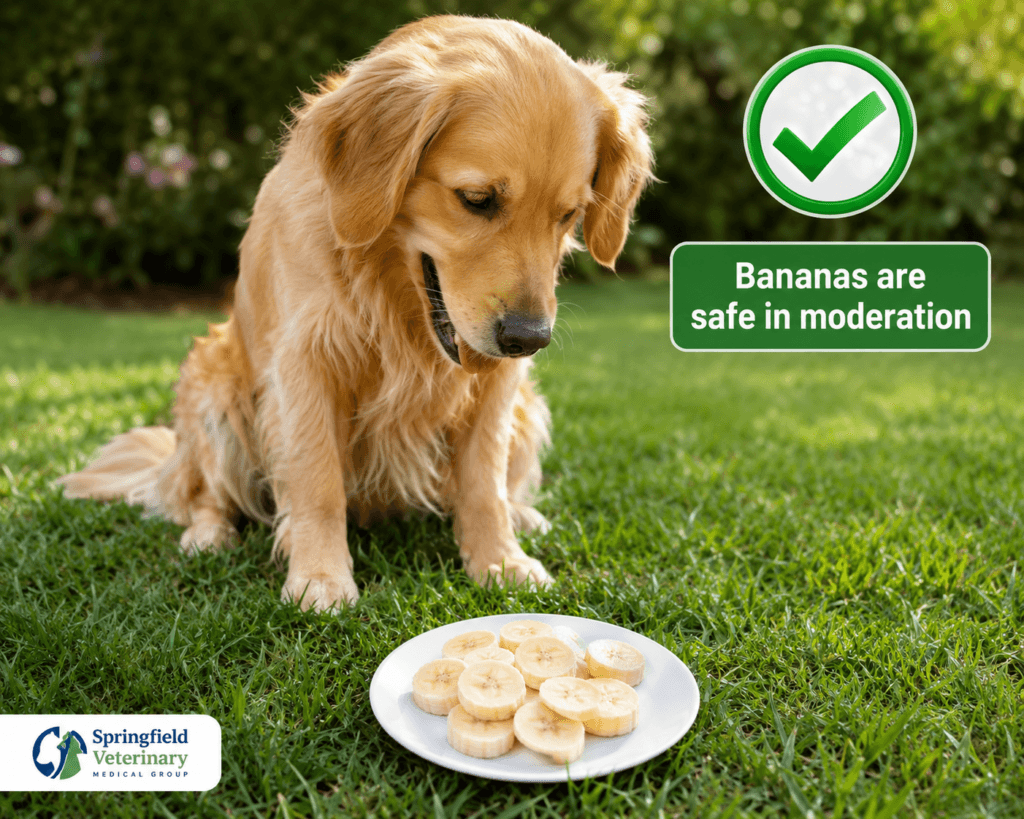
- Banana in moderation
- Mango, without the pit
- Cantaloupe, without rind and seeds
- Pineapple, properly prepared
Fruit should be offered as an occasional treat rather than replacing a complete and balanced diet.
If your dog has diabetes, obesity, digestive problems, food allergies, or another medical condition, ask your veterinarian before introducing new treats.

Raisins vs. Safer Fruit Alternatives
| Food | Safe for Dogs? | Important Consideration |
|---|---|---|
| Raisins |  No No | Should be completely avoided |
| Grapes | No | Potentially dangerous to dogs |
| Watermelon |  Yes, in moderation Yes, in moderation | Remove seeds and rind |
| Blueberries | Yes, in moderation | Offer small portions |
| Strawberries | Yes, in moderation | Remove stems |
| Bananas | Yes, in moderation | Naturally high in sugar |
| Mango | Yes, in moderation | Remove the pit and skin |
| Cantaloupe | Yes, in moderation | Remove rind and seeds |
| Pineapple | Yes, in moderation | Remove tough skin and core |
The most important difference is that raisins and grapes should be avoided, while certain other fruits can be offered as occasional treats when properly prepared.
Related Dog Food Safety Topics
Learning can dogs eat raisins is one important part of understanding canine food safety.
Dog owners should also know which other fruits and human foods are appropriate for pets.
Explore these related topics:
- Can Dogs Eat Grapes
- Can Dogs Eat Watermelon
- Can Dogs Eat Bananas
- Can Dogs Eat Blueberries
- Can Dogs Eat Strawberries
- Can Dogs Eat Mango
- Can Dogs Eat Pineapple
- Can Dogs Eat Cantaloupe
Knowing which foods are safe can help you choose better treats while reducing the risk of accidental poisoning.
10 Frequently Asked Questions
1. Can dogs eat raisins?
No. Dogs should not eat raisins. Raisin ingestion has been associated with serious health problems in dogs, including acute kidney injury. If your dog accidentally eats raisins, contact your veterinarian promptly for advice.
2. What happens if a dog eats one raisin?
There is no dependable way to guarantee that a particular number of raisins is safe for every dog. Individual reactions can vary. If your dog eats even a small amount, contact your veterinarian and explain the situation rather than assuming the exposure is harmless.
3. Are raisins toxic to puppies?
Yes. Puppies should not eat raisins. Keep raisins and foods containing raisins completely out of a puppy’s reach. If a puppy accidentally eats raisins, seek veterinary advice promptly.
4. Can dogs eat raisin bread?
No. Raisin bread should not be given to dogs because it contains raisins. Dogs may also accidentally consume raisin bread from kitchen counters, dining tables, or unattended plates.
5. Are golden raisins safe for dogs?
No. Golden raisins should also be avoided. Dog owners should not assume that a different color or variety makes raisins safe for pets.
6. Can dogs eat oatmeal raisin cookies?
No. Oatmeal raisin cookies are not safe treats for dogs because they contain raisins. Depending on the recipe, they may also contain other ingredients that are unsuitable for pets.
7. What are the signs of raisin poisoning in dogs?
Possible signs include vomiting, diarrhea, loss of appetite, lethargy, weakness, dehydration, increased thirst, and changes in urination. More serious cases may involve acute kidney injury.
8. Should I wait for symptoms after my dog eats raisins?
No. Do not rely on symptoms before contacting a veterinarian. A dog may initially appear normal after ingestion, so prompt professional advice is recommended.
9. Can large dogs eat raisins safely?
No. Large dogs should also avoid raisins. Body size should not be used by owners to decide that raisins are safe to feed.
10. What fruit can dogs eat instead of raisins?
Depending on your dog’s individual health and dietary needs, safer options may include blueberries, strawberries, watermelon prepared without seeds and rind, banana in moderation, mango without the pit, and properly prepared cantaloupe or pineapple.
Final Verdict: Can Dogs Eat Raisins?
No, dogs should not eat raisins.
Raisins are not an appropriate treat for dogs, and ingestion has been associated with potentially serious health complications, including acute kidney injury.
The most important thing for dog owners to remember is that there is no recommended serving size of raisins for dogs.
The safest amount is zero.
Do not intentionally offer raisins, raisin bread, oatmeal raisin cookies, trail mix containing raisins, or other raisin-containing foods to your pet.
If your dog accidentally eats raisins, do not wait for symptoms before seeking advice. Contact your veterinarian or an emergency veterinary hospital and provide as much information as possible about the exposure.
Your veterinarian can help determine the most appropriate next steps based on your dog’s individual situation.
Conclusion
So, can dogs eat raisins? The answer is a firm no.
Although raisins are a common human snack, they are not a safe choice for dogs. Their potential association with serious kidney problems makes them a food that responsible pet owners should keep completely away from their animals.
The biggest challenge is that the response to raisin ingestion can be unpredictable. A dog may look normal after eating raisins, but that does not necessarily mean the situation is harmless.
That’s why prevention is so important.
Store raisins in secure cabinets or containers that your dog cannot access. Pay attention to foods such as raisin bread, oatmeal raisin cookies, trail mix, granola, and fruitcake. These foods can become accidental sources of exposure if they are left unattended.
If your dog does eat raisins, contact a veterinarian promptly. Do not try to determine the risk based only on your dog’s size or the number of raisins you believe were eaten.
For everyday treats, choose appropriate dog treats or dog-friendly fruits instead. With a little awareness, you can enjoy your favorite foods while keeping potentially dangerous ingredients safely away from your four-legged family member.