Introduction
If you are wondering, can dogs eat grapes, the safest answer is no.
Grapes may be a healthy and convenient snack for people, but they are not considered a safe food for dogs. Grape ingestion has been associated with serious illness in dogs, including acute kidney injury, and the response can be unpredictable from one dog to another.
This makes grapes very different from many fruits that can be offered to dogs in small amounts.
The biggest problem for dog owners is that there is no dependable way to predict exactly which dog will become seriously ill after eating grapes. A dog may consume grapes and appear completely normal at first, while another dog may develop severe symptoms.
The risk also applies to raisins, which are dried grapes. Because raisins are concentrated, they can be particularly concerning when a dog consumes them.
If your dog has eaten grapes or raisins, do not simply wait for symptoms to appear. Contact your veterinarian or an emergency veterinary clinic as soon as possible and explain what your dog ate, approximately how much was consumed, and when the ingestion occurred.
This guide explains why grapes are dangerous, what symptoms dog owners should watch for, what to do after accidental ingestion, and which safer fruit options may be appropriate for dogs.
Quick Answer: Can Dogs Eat Grapes?
No. Dogs should not eat grapes.
If you are asking, can dogs eat grapes, the safest answer is to avoid them completely.
Fresh grapes, regardless of their color or whether they contain seeds, can potentially cause serious health problems in dogs. The most concerning complication is acute kidney injury, which can become life-threatening.
The same safety concern applies to:
- Green grapes
- Red grapes
- Purple grapes
- Seedless grapes
- Seeded grapes
- Raisins
- Sultanas
- Foods containing grapes or raisins
The exact amount that may cause illness is not reliably predictable. For that reason, dog owners should not assume that a small number of grapes is automatically safe.
If your dog has eaten grapes, contact your veterinarian promptly.
Do not wait until your dog starts vomiting or acting sick.
Early veterinary assessment may give your dog the best opportunity for appropriate treatment and monitoring.
 Both fresh grapes and raisins should be kept away from dogs because they can potentially cause serious illness.
Why Are Grapes Dangerous for Dogs?
One of the main reasons veterinarians take grape ingestion seriously is the potential for acute kidney injury.
The kidneys perform essential functions throughout the body. They help remove waste products from the bloodstream, regulate fluids and electrolytes, and support several important physiological processes.
When the kidneys become severely damaged, these functions can be disrupted.
In serious cases, a dog may develop:
- Vomiting
- Diarrhea
- Loss of appetite
- Lethargy
- Increased thirst
- Changes in urination
- Weakness
- Dehydration
- Acute kidney injury
The exact cause of grape toxicity has been investigated by veterinary researchers, and the response can vary between individual dogs.
For dog owners, the practical message is more important than knowing the exact mechanism:
Grapes are not a safe treat for dogs.
The Toxic Dose Is Difficult to Predict
A common question from worried owners is whether one grape is dangerous or whether a dog has to eat a large quantity before becoming sick.
Unfortunately, there is no simple answer that can guarantee safety.
Individual dogs may respond differently to grape exposure. Factors such as the dog’s size, individual sensitivity, amount consumed, and type of grape product may influence the outcome.
Because of this uncertainty, it is not appropriate to create a guaranteed “safe number” of grapes for dogs.
This is also why a dog that previously ate grapes without obvious problems should not be considered immune to the risk.
Every exposure should be taken seriously.
Are Seedless Grapes Safe for Dogs?
No.
Seedless grapes should not be considered a safe alternative for dogs.
The concern is not simply the presence of grape seeds. The grape itself may pose a toxicity risk.
Therefore, removing seeds does not make grapes appropriate as a dog treat.
Whether the grapes are:
- Seedless
- Seeded
- Green
- Red
- Purple
They should all be kept away from dogs.
Can Dogs Eat Red or Green Grapes?
No.
The color of the grape should not determine whether you consider it safe.
Green grapes and red grapes should both be avoided.
The same applies to other varieties of fresh grapes. Dog owners should treat all grapes as potentially dangerous and prevent their pets from eating them.
What Happens If a Dog Eats Grapes?
If a dog eats grapes, the situation should be treated as a potential veterinary emergency.
The first thing to do is remain calm and gather as much information as possible.
Try to determine:
- How many grapes were eaten?
- When were they eaten?
- Were they fresh grapes or raisins?
- Did the dog eat another food containing grapes or raisins?
- What is the dog’s approximate weight?
- Is the dog currently showing any symptoms?
Then contact your veterinarian or an emergency veterinary hospital.
Do not wait for symptoms before calling.
A dog can appear perfectly normal shortly after eating grapes, but that does not guarantee that complications will not develop later.
A veterinarian can assess the situation and determine the appropriate next steps based on the individual dog.
Nutritional Value of Grapes
Grapes contain several nutrients that humans may benefit from as part of a balanced diet.
They provide:
- Water
- Natural carbohydrates
- Natural sugars
- Small amounts of fiber
- Vitamin K
- Some vitamin C
- Various plant compounds
However, the fact that grapes contain nutrients does not make them an appropriate food for dogs.
Dogs have different nutritional requirements from humans, and some foods that are healthy for people can be dangerous to pets.
This is an important distinction when considering can dogs eat grapes.
There are many safer foods that can be offered to dogs as occasional treats without exposing them to the potential risks associated with grapes.
Health Benefits of Grapes for Humans vs. Dogs
Grapes are often included in human diets because they provide water, natural carbohydrates, and various plant compounds.
For people, grapes can be a convenient snack.
For dogs, however, the potential toxicity risk outweighs any possible nutritional benefit.
There is no nutritional reason to give grapes to a dog when safer treat options are available.
If you want to offer your dog fruit, choose an option that is considered safer for dogs and prepare it appropriately.
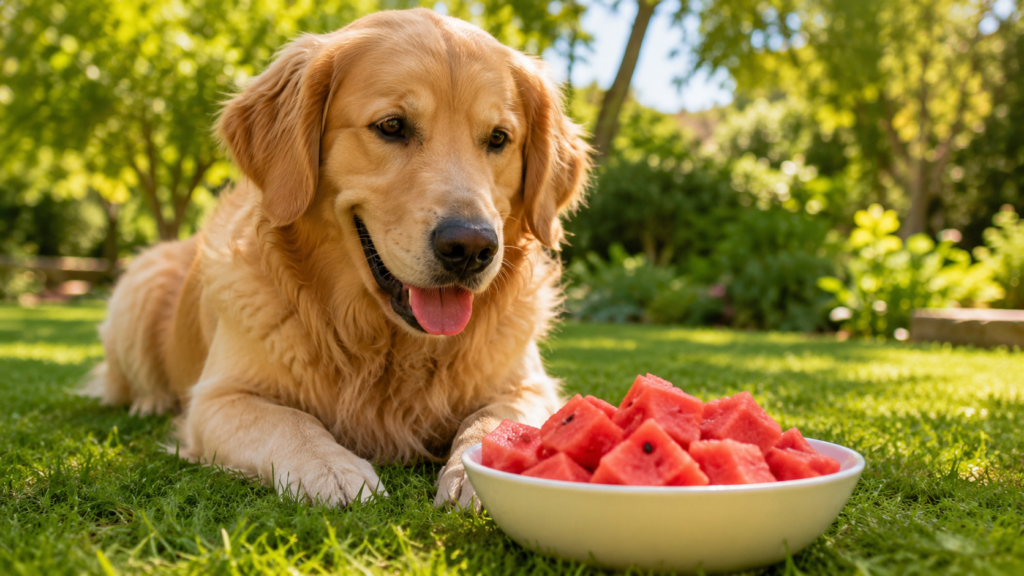
Depending on your dog’s individual health, examples may include small portions of certain dog-safe fruits such as watermelon, blueberries, or strawberries.
Even safe fruits should be treated as occasional extras rather than replacements for a complete and balanced diet.
The most important lesson is simple:
A food being healthy for humans does not automatically mean it is safe for dogs.
Grapes are one of the clearest examples of this difference.



How Much Grapes Can a Dog Eat?
When it comes to can dogs eat grapes, there is no recommended serving size.
The safest amount is zero.
Dog owners should not intentionally give grapes to their pets, even as an occasional treat. Because individual dogs can respond differently, it is not possible to provide a reliable number of grapes that can be considered safe for every dog.
If accidental ingestion occurs, do not try to calculate the risk based only on the number of grapes. Contact your veterinarian and provide as much information as possible about the amount consumed, the timing, and your dog’s approximate weight.
Signs of Grape or Raisin Toxicity
The signs of potential grape or raisin toxicity can vary from dog to dog.
Possible symptoms include:
- Vomiting
- Diarrhea
- Loss of appetite
- Lethargy
- Weakness
- Abdominal discomfort
- Increased thirst
- Dehydration
- Changes in urination
- Difficulty urinating
- Severe weakness or collapse
One important warning is that a dog may initially appear normal after eating grapes.
Do not assume that your dog is safe simply because there are no immediate symptoms.
Kidney problems may develop later, which is why veterinary guidance should be sought as soon as possible after known or suspected ingestion.
What Should You Do If Your Dog Eats Grapes?
If your dog has eaten grapes, take action promptly.
1. Remove the Remaining Grapes
Make sure your dog cannot eat any more grapes or raisins.
2. Identify What Was Consumed
Try to determine whether your dog ate:
- Fresh grapes
- Raisins
- Sultanas
- Raisin bread
- Trail mix
- Another food containing raisins
3. Estimate the Amount
You may not know the exact number, but an approximate estimate can help your veterinarian assess the situation.
4. Record the Time
Note when the ingestion happened, even if you are not completely certain.
5. Contact Your Veterinarian
Call your veterinarian or an emergency veterinary clinic and explain what happened.
6. Follow Professional Instructions
Your veterinarian will decide what steps are appropriate for your dog.
Do not attempt to induce vomiting at home unless a veterinary professional specifically instructs you to do so.
Can Puppies Eat Grapes?
No.
Puppies should not be given grapes or raisins.
A puppy’s smaller body size can make accidental ingestion particularly concerning, but the main issue is that grape toxicity is unpredictable in dogs of all sizes and ages.
If a puppy eats grapes, contact a veterinarian immediately.
Do not assume that a puppy is safe because it ate only a small amount.
Puppies are naturally curious and may quickly swallow food they find on the floor or within reach. Families with young dogs should be especially careful about leaving grapes, raisins, or foods containing raisins unattended.
Can Small Dogs Eat Grapes?
No.
Small dogs should not eat grapes.
It may be tempting to think that a single grape is harmless because it is physically small, but there is no dependable way to guarantee safety based solely on the dog’s size or the number of grapes eaten.
If your small dog accidentally consumes grapes or raisins, contact your veterinarian for guidance.
Can Large Dogs Eat Grapes?
No.
Large dogs should also avoid grapes.
A larger body size does not make grapes a safe food.
While body weight may be one factor a veterinarian considers when assessing an ingestion, owners should never assume that a large dog can safely eat grapes.
The safest approach for dogs of every size is complete avoidance.
Can Dogs Eat Grape-Flavored Foods?
It depends on the ingredients.
The word “grape-flavored” does not automatically mean that a product contains actual grapes. Some products use artificial flavoring.
However, dog owners should always check the ingredient list.
If a food contains:
- Grapes
- Raisins
- Sultanas
- Grape concentrate
- Dried grape products
Do not give it to your dog.
If you are unsure whether a product contains a potentially dangerous grape ingredient, keep it away from your dog and consult your veterinarian if accidental ingestion occurs.
Common Foods That May Contain Raisins
Many accidental exposures happen because owners do not realize a food contains raisins.
Potential sources include:
- Raisin bread
- Cinnamon-raisin bagels
- Trail mix
- Granola
- Oatmeal cookies
- Fruitcake
- Some cereals
- Baked goods
- Snack bars
- Certain desserts
Keep these foods securely stored and never leave them where your dog can reach them.
This is especially important during holidays and family gatherings when foods containing raisins may be left on low tables or kitchen counters.
Can Dogs Eat Grapes Compared With Other Fruits?
Not all fruits carry the same safety concerns for dogs.
Some fruits may be appropriate as occasional treats when properly prepared, while others should be avoided.
| Fruit | Generally Safe for Dogs? | Important Consideration |
|---|---|---|
| Grapes |  No No | Potentially toxic; avoid completely |
| Raisins | No | Dried grapes; potentially dangerous |
| Watermelon |  Yes, in moderation Yes, in moderation | Remove seeds and rind |
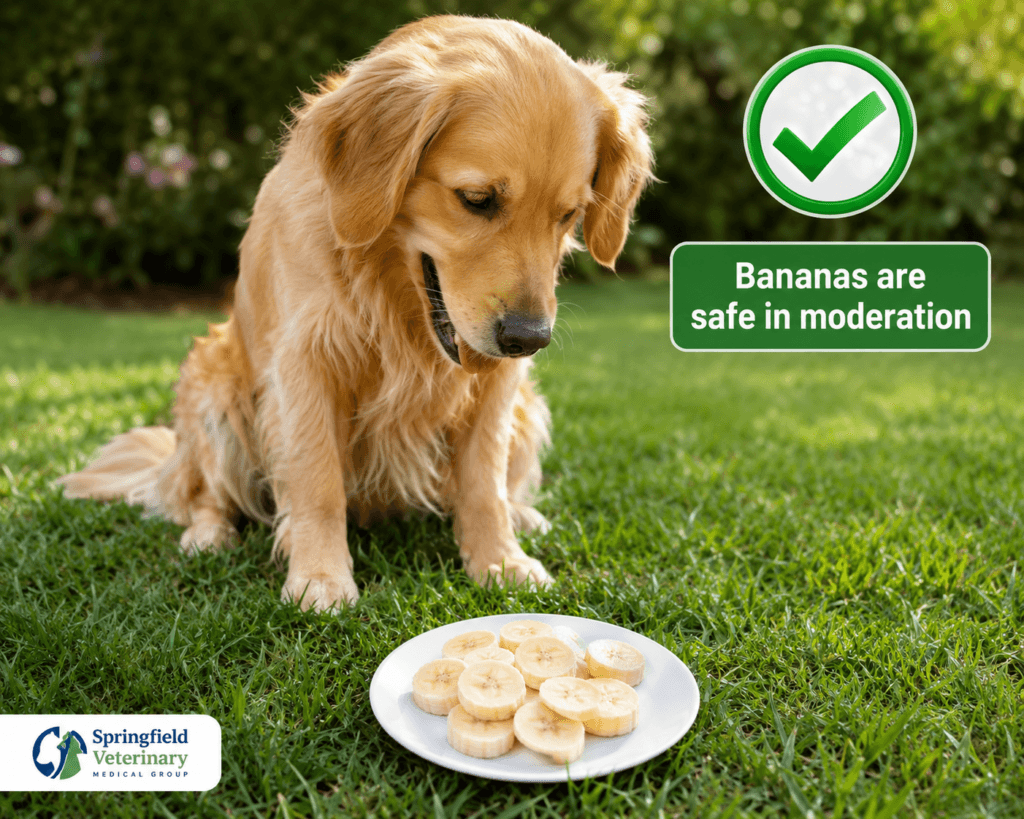
| Bananas | Yes, in moderation | High in natural sugar |
| Blueberries | Yes, in moderation | Small portions are best |
| Strawberries | Yes, in moderation | Remove stems |
| Mango | Yes, in moderation | Remove pit and skin |
| Cherries |  Avoid Avoid | Pits and stems create serious risks |
| Plums | Avoid | Pits can be dangerous |
| Peaches | Avoid pit | Flesh may be offered carefully |
The key takeaway is that can dogs eat grapes has a very different answer from questions about several other fruits.
When offering any fruit to your dog, introduce it gradually and keep portions small.
If your dog has a medical condition, is overweight, or follows a special veterinary diet, speak with your veterinarian before adding new treats.