Table of Contents
- Can Dogs Eat Lemons? Quick Answer
- Are Lemons Safe for Dogs?
- What Happens If a Dog Eats Lemon?
- Can Dogs Eat Lemon Peel, Seeds, or Pith?
- Is Lemon Juice Safe for Dogs?
- Can Dogs Have Lemonade or Lemon-Flavored Foods?
- What to Do If Your Dog Eats Lemon
- Safer Fruit Alternatives for Dogs
- Frequently Asked Questions
- Final Verdict
Introduction
If your dog grabbed a piece of lemon from the kitchen floor, licked lemon juice from a plate, or tried to chew on a whole lemon, you may immediately wonder: Can Dogs Eat Lemons?
The short answer is lemons are not a good food to intentionally give your dog. Although the fleshy inside of a lemon is not considered highly toxic in the same way as certain other dangerous foods, lemons can still cause digestive upset because of their strong acidity. The peel and rind deserve more concern because they contain natural compounds and essential oils that can be harmful to dogs and may also create a choking or intestinal obstruction risk if swallowed.
The good news is that most dogs are not naturally interested in eating lemons. Their strong sour taste and citrus aroma often discourage them. A tiny accidental taste is unlikely to cause a serious problem in an otherwise healthy adult dog, but the situation can be different if a dog eats a large amount, consumes the peel, or ingests concentrated lemon juice or lemon oil.
That is why understanding Can Dogs Eat Lemons requires looking beyond a simple yes-or-no answer.
In this guide, we will explain the difference between lemon flesh, peel, rind, seeds, juice, and lemon-flavored foods. We will also discuss what symptoms to watch for and when it is appropriate to contact your veterinarian.
Important: If your dog has eaten a large amount of lemon, swallowed lemon peel or rind, consumed lemon essential oil, or is showing concerning symptoms, contact your veterinarian or an emergency veterinary clinic for personalized advice.
Quick Answer: Can Dogs Eat Lemons?
Can Dogs Eat Lemons? Generally, you should not intentionally feed lemons to your dog.
A small accidental taste of lemon flesh may cause nothing more than temporary stomach irritation in some dogs, while larger amounts may lead to vomiting, diarrhea, or loss of appetite. Lemon peel and rind are more concerning because they contain natural compounds such as psoralen and essential oils, and swallowed pieces may also contribute to an intestinal blockage. Concentrated lemon juice and lemon essential oil should also be kept away from dogs.
So, if your dog licks a tiny amount of lemon, there is usually no reason to panic. However, if your dog eats a whole lemon, chews the peel, consumes a significant amount of juice, or shows signs of illness, you should contact your veterinarian.
The safest approach is simple: don’t offer lemons as a treat. Choose a dog-friendly fruit instead.
Can Dogs Eat Lemons? The Complete Safety Answer

Are Lemons Toxic to Dogs?
One of the biggest reasons the question Can Dogs Eat Lemons can be confusing is that different parts of the lemon present different levels of concern.
The fleshy portion of a lemon is not generally considered highly toxic to dogs. However, that does not mean lemons are a suitable treat. The fruit is highly acidic, and eating it may irritate a dog’s gastrointestinal system. Some dogs may develop vomiting, diarrhea, stomach discomfort, or reduced appetite after eating lemon.
The peel and rind are more problematic. Citrus peels contain natural aromatic compounds and essential oils that can be harmful when consumed. A large piece of rind can also be difficult for a dog to digest and may potentially contribute to an intestinal obstruction.
This is why the answer depends partly on what part of the lemon your dog consumed and how much was eaten.
A dog that briefly licks a tiny piece of lemon flesh is in a very different situation from a dog that eats an entire lemon with the peel.
Why Do Most Dogs Avoid Lemons?
Interestingly, many dogs will naturally reject lemons.
The intense sour flavor of lemon is unpleasant to many dogs, and the strong citrus aroma may also discourage them from eating the fruit. This natural aversion can reduce the likelihood of accidental ingestion.
However, you should not rely on your dog’s dislike of lemons as a safety measure.
Dogs are curious animals. A puppy may chew almost anything within reach, while a food-motivated dog may investigate a lemon that has fallen from a kitchen counter. Dogs can also accidentally consume lemon pieces mixed into leftovers, desserts, or drinks.
For that reason, it is best to keep whole lemons, discarded peels, and citrus-based products somewhere your dog cannot access.
What Happens If a Dog Eats Lemon?
The effects of lemon ingestion can vary depending on the amount consumed, the part of the fruit eaten, and the individual dog’s size and health.
If a dog eats a small amount of lemon flesh, the most likely concern is gastrointestinal irritation.
Possible signs include:
- Vomiting
- Diarrhea
- Stomach discomfort
- Reduced appetite
- Drooling
- General digestive upset
A small taste may cause no noticeable symptoms at all, especially in a healthy adult dog. However, a larger amount can be more irritating.
The situation becomes more concerning when a dog consumes the peel or rind. These parts contain compounds and oils that may be harmful, and large swallowed pieces can potentially contribute to an intestinal obstruction.
If your dog has eaten lemon and develops persistent vomiting, repeated diarrhea, marked weakness, tremors, breathing difficulty, disorientation, or other unusual symptoms, seek veterinary assistance promptly.

Can Dogs Eat Lemon Peel?
When asking Can Dogs Eat Lemons, it is essential to separate the lemon flesh from the peel.
Dogs should not be given lemon peel or rind.
The outer skin of citrus fruits contains concentrated aromatic oils and natural compounds that can be harmful to dogs when consumed. According to veterinary and canine health guidance, lemon peels may contribute to gastrointestinal problems, and swallowed pieces can potentially create an intestinal obstruction.
This is especially important for small dogs and puppies because even a relatively small piece of tough peel may be harder to pass through the digestive tract.
If your dog has swallowed lemon peel, do not assume that everything will be fine simply because the dog currently appears normal. Contact your veterinarian for advice, particularly if a large amount was eaten or the dog swallowed a whole lemon.
Watch closely for signs such as:
- Vomiting
- Diarrhea
- Loss of appetite
- Lethargy
- Abdominal discomfort
- Unusual behavior
If symptoms appear or worsen, veterinary evaluation is important.
Can Dogs Eat Lemon Seeds?
Lemon seeds are another reason not to offer lemons to your dog.
While a small number of accidentally swallowed seeds may not automatically result in a serious emergency, there is no nutritional reason to intentionally feed lemon seeds to a dog. Dogs do not need lemons in their diet, and removing unnecessary seeds and other hard parts is a sensible safety precaution when preparing any fruit for pets.
If your dog has swallowed a whole lemon or multiple pieces containing seeds, the safest approach is to contact your veterinarian and explain exactly what happened.
The veterinarian may consider your dog’s:
- Size
- Age
- Weight
- Overall health
- Amount consumed
- Whether the peel was swallowed
- Current symptoms
These details help determine whether home monitoring is appropriate or whether your dog needs an examination.
Can Dogs Drink Lemon Juice?
No. Lemon juice should not be given to dogs as a drink or added intentionally to their food.
Lemon juice is more concentrated than eating a small piece of the whole fruit. Its high acidity can irritate a dog’s digestive system and may result in vomiting or diarrhea, particularly when consumed in larger amounts.
A dog that briefly licks a tiny amount of diluted lemon juice from the floor is unlikely to experience the same risk as a dog that drinks a large quantity of concentrated juice. Nevertheless, you should discourage your dog from consuming it.
Never use lemon juice as a homemade remedy or health supplement for your dog unless your veterinarian specifically recommends it.
Dogs with existing digestive problems may be particularly sensitive to acidic foods.
What About Lemonade?
Lemonade is not a suitable drink for dogs.
Besides the lemon juice itself, commercial lemonade often contains significant amounts of added sugar. Some homemade or flavored drinks may also contain ingredients that are unsuitable or potentially dangerous for dogs.
Regularly giving sugary drinks to dogs can contribute to excessive calorie intake and weight gain. Dogs also have no nutritional requirement for lemonade.
For hydration, fresh, clean water is the best choice for most healthy dogs.
If your dog accidentally takes a small lick of lemonade, monitor for any signs of stomach upset. If the dog drinks a large amount or develops concerning symptoms, contact your veterinarian.
What About Lemon Cake, Cookies, and Other Desserts?
Lemon-flavored human desserts are another category that dog owners should avoid sharing.
Lemon cakes, cookies, pies, and pastries can contain:
- Large amounts of sugar
- Butter
- High-fat ingredients
- Artificial sweeteners
- Chocolate
- Other ingredients unsuitable for dogs
The exact ingredients matter. Some human foods contain substances that can be dangerous to dogs, so never assume that a dessert is safe simply because it contains only a small amount of lemon flavor.
If your dog eats a piece of lemon cake or another dessert, check the ingredient list if possible. If the product contains potentially toxic ingredients, or if your dog ate a significant amount, contact your veterinarian promptly.
Can Dogs Eat Lemons If They Are Cooked?
Cooking does not automatically make lemons appropriate for dogs.
If lemon is included in a human recipe, other ingredients may create additional concerns. Sauces, marinades, baked goods, and prepared meals may contain excessive salt, sugar, fat, spices, or other ingredients that are not appropriate for dogs.
Therefore, the safest answer remains the same: lemons are not a recommended dog treat, and you should avoid intentionally adding them to your dog’s meals.
Can Puppies Eat Lemons?
Puppies should not be given lemons.
Puppies have developing digestive systems and can be more sensitive to dietary changes. They also tend to explore the world with their mouths, making accidental ingestion of food and non-food items more common.
If a puppy eats a tiny piece of lemon flesh, monitor closely and contact your veterinarian if symptoms develop.
If a puppy swallows lemon peel, a whole lemon, or a significant amount of lemon juice, contact your veterinarian for individualized guidance. Puppies are small, and the amount consumed relative to their body size can matter.
Are Lemons Healthy for Dogs?
Lemons contain nutrients that are valuable in human diets, including vitamin C. However, that does not mean dogs need lemons to obtain these nutrients.
A complete and balanced dog food should provide the essential nutrients a healthy dog needs. Adding acidic citrus fruit is unnecessary, particularly when there are many other dog-friendly foods that can be offered as occasional treats.
This is an important principle for dog owners:
A food can be nutritious for humans without being an appropriate food for dogs.
When choosing fruit for your dog, focus on options that are easier to prepare, less acidic, and generally recognized as suitable in small portions.
Safer Fruit Choices for Dogs
If you want to give your dog a fruit-based treat, there are many alternatives to lemons.
Depending on your dog’s individual health needs, small portions of properly prepared fruits such as apples, bananas, blueberries, strawberries, mango, peaches, pears, pineapple, watermelon, and oranges may be suitable occasional treats. Always remove unsafe parts such as pits, cores, and seeds where appropriate, and introduce new foods gradually.
Because WarmWag already has several fruit safety guides, these topics will also make excellent internal links throughout the completed article.
For dogs with diabetes, obesity, food sensitivities, digestive disease, or a prescription diet, speak with your veterinarian before introducing fruit or other treats.
Can Dogs Eat Lemons?
The safest answer is no—lemons should not be intentionally fed to dogs. A tiny accidental taste of lemon flesh is unlikely to cause severe problems in most healthy adult dogs, but the fruit can still irritate the digestive system. Lemon peel and rind are more concerning, while concentrated lemon juice and lemon oils should be avoided.
If your dog has eaten lemon, consider what part was consumed and how much. Monitor for symptoms and contact your veterinarian if your dog ate a large amount, swallowed peel or rind, or develops concerning signs.
What Are the Main Risks of Lemons for Dogs?
When considering Can Dogs Eat Lemons, the biggest mistake is treating every part of the lemon as equally safe.
The risk depends on several factors:
- How much your dog consumed
- Which part of the lemon was eaten
- Your dog’s size
- Your dog’s age
- Whether your dog has existing health problems
- Whether the lemon was mixed with other ingredients
- Whether symptoms have already appeared
A tiny lick of lemon flesh is very different from eating a whole lemon with the peel.
1. Digestive Upset
The acidity of lemons may irritate a dog’s digestive system.
After eating lemon, some dogs may experience:
- Vomiting
- Diarrhea
- Drooling
- Stomach discomfort
- Reduced appetite
The severity can vary between individual dogs.
A dog that eats a small amount may remain completely normal, while another dog with a sensitive stomach may experience digestive upset after consuming even a relatively small amount.
2. Lemon Peel and Rind
Lemon peel is more concerning than the fleshy fruit.
The outer parts of citrus fruits contain natural essential oils and compounds that may be harmful to dogs when consumed. Large pieces of peel are also difficult to digest and may create a risk of gastrointestinal obstruction. (petmd.com)
For this reason, never intentionally give your dog lemon peel.
If your dog has swallowed a large piece of rind or an entire lemon, contact your veterinarian for guidance.
3. Concentrated Lemon Products
Concentrated lemon juice and lemon essential oils are not appropriate for dogs.
Essential oils can be particularly problematic because they are highly concentrated. Never give your dog lemon essential oil orally or apply concentrated essential oils directly to your dog’s skin without veterinary guidance.
If you use citrus-scented household products, store them securely and follow the manufacturer’s safety instructions.
4. Choking and Obstruction Risk
Large pieces of lemon peel or rind may be difficult for some dogs to swallow and digest.
This is especially relevant for:
- Small dogs
- Puppies
- Dogs that eat food quickly
- Dogs that swallow food without chewing
A dog that swallows a substantial piece of peel may be at risk of gastrointestinal complications.
If your dog has swallowed a large piece of lemon peel, contact your veterinarian rather than waiting for symptoms to appear.
What Should You Do If Your Dog Eats Lemon?
If your dog eats lemon, don’t panic.
First, try to determine exactly what happened.
Ask yourself:
- How much lemon did my dog eat?
- Did my dog eat the flesh, peel, or both?
- Did my dog swallow seeds?
- Was it fresh lemon or concentrated juice?
- Did the lemon contain other ingredients?
- Is my dog showing any symptoms?
These details are useful when speaking with a veterinarian.
If your dog only licked a small amount of lemon juice or briefly tasted lemon flesh, monitor your dog for digestive upset.
If your dog ate a whole lemon, swallowed a significant amount of peel, consumed concentrated lemon products, or begins showing concerning symptoms, contact your veterinarian promptly.
Do not attempt to make your dog vomit unless a veterinary professional specifically instructs you to do so.
Signs to Watch for After Lemon Ingestion
After asking Can Dogs Eat Lemons, many dog owners are most concerned about symptoms.
Keep an eye on your dog for:
Mild Symptoms
- Occasional vomiting
- Loose stool
- Diarrhea
- Excessive drooling
- Temporary loss of appetite
- Mild stomach discomfort
More Concerning Symptoms
- Repeated vomiting
- Persistent diarrhea
- Severe lethargy
- Significant abdominal pain
- Tremors
- Difficulty walking
- Unusual weakness
- Difficulty breathing
- Collapse
If your dog develops severe or rapidly worsening symptoms, seek emergency veterinary care.
When Should You Call a Veterinarian?
Contact your veterinarian if:
- Your dog ate a whole lemon
- Your dog swallowed lemon peel or rind
- Your dog consumed a large amount of lemon
- Your dog drank concentrated lemon juice
- Your dog consumed lemon essential oil
- Your dog is a very small puppy
- Your dog has an underlying health condition
- Your dog develops repeated vomiting or diarrhea
- Your dog becomes unusually weak or lethargic
If you’re uncertain about the amount your dog consumed, it is always reasonable to contact your veterinarian for advice.
Veterinary professionals can assess the situation based on your dog’s weight, age, health history, and the amount and type of lemon consumed.
For serious or potentially toxic ingestion concerns, the ASPCA Animal Poison Control Center is another resource available to pet owners. ASPCA Animal Poison Control Center
Veterinarian Advice: What Is the Safest Approach?
The most practical veterinary-style advice for Can Dogs Eat Lemons is simple:
There is no nutritional reason to add lemons to a dog’s regular diet.
Dogs have different nutritional requirements from humans. A complete and balanced commercial dog food formulated for your dog’s life stage should provide the essential nutrients your pet needs.
Fruit can sometimes be used as an occasional treat, but it should never replace a balanced diet.
If you want to offer your dog fruit, choose options that are generally easier to prepare and serve safely.
Always introduce new foods gradually and watch for digestive changes.
For dogs with:
- Diabetes
- Obesity
- Food allergies
- Sensitive stomachs
- Chronic digestive disease
- Kidney disease
- Prescription diets
talk to your veterinarian before adding new treats.
How Much Lemon Can Dogs Eat?
When it comes to Can Dogs Eat Lemons, there is no recommended serving size because lemons are not a recommended dog treat.
Rather than asking how much lemon your dog can safely eat, it is better to avoid intentionally feeding it.
If your dog accidentally consumes a tiny amount, the appropriate response is usually to monitor for signs of digestive upset.
The situation changes if your dog consumes a large amount or eats the peel.
For example:
| Situation | Recommended Action |
|---|---|
| Tiny lick of lemon juice | Monitor your dog |
| Small taste of lemon flesh | Monitor for digestive upset |
| Several pieces of lemon | Contact your veterinarian for advice |
| Whole lemon eaten | Contact your veterinarian |
| Lemon peel or rind swallowed | Contact your veterinarian |
| Concentrated lemon juice consumed | Contact your veterinarian |
| Lemon essential oil consumed | Seek veterinary guidance promptly |
| Severe symptoms | Seek emergency veterinary care |
The safest strategy is prevention.
Keep lemons and other citrus fruits out of reach, especially if you have a curious puppy or a dog that likes to explore kitchen counters.
Can Dogs Eat Lemons as a Regular Treat?
No.
Even if a dog appears to tolerate a small piece of lemon, there is no good reason to make it a regular snack.
Dogs can receive occasional treats from safer food options, including certain dog-friendly fruits and vegetables.
Treats should also remain a relatively small part of your dog’s overall daily calorie intake.
If you’re unsure whether a particular fruit is suitable for your dog, research the specific food or ask your veterinarian before serving it.

Are There Any Benefits of Lemon for Dogs?
This is another area where the answer to Can Dogs Eat Lemons requires context.
Lemons contain vitamin C and other nutrients that are beneficial to humans. However, healthy dogs generally do not need lemons as a source of vitamin C.
Dogs can produce vitamin C naturally in their bodies, and a properly balanced diet should provide the nutrients required for normal health.
Therefore, the potential nutritional benefits of lemon do not outweigh the potential digestive problems and risks associated with feeding it.
If your dog needs nutritional supplementation, do not rely on human foods or home remedies. Speak with your veterinarian about your dog’s specific dietary requirements.
Can Lemon Help Clean a Dog’s Teeth?
You may find online claims suggesting that lemon juice can help clean a dog’s teeth or freshen breath.
You should not use lemon juice as a substitute for proper canine dental care.
The acidity of lemon is not a safe replacement for veterinary-approved dental products or regular tooth brushing.
For dental health, use products designed specifically for dogs and follow your veterinarian’s recommendations.
If your dog has persistent bad breath, swollen gums, bleeding, loose teeth, or difficulty eating, schedule a veterinary dental examination.
Can Lemon Be Used to Stop Dogs From Chewing?
Some people use citrus scents as a homemade deterrent for unwanted chewing.
However, intentionally applying lemon juice, lemon oil, or concentrated citrus products around a dog is not a good substitute for proper training.
If your dog is chewing furniture, shoes, or other objects, address the underlying behavior with:
- Appropriate chew toys
- Positive reinforcement
- Exercise
- Mental stimulation
- Consistent training
- Environmental management
If destructive chewing is severe or sudden, consult a qualified veterinarian or professional dog trainer.
Safer Fruits to Offer Your Dog
If you searched Can Dogs Eat Lemons because you want to give your dog healthy fruit treats, you have plenty of alternatives.
Some fruits commonly offered to dogs in appropriate portions include:
Apples
Remove the core and seeds, then serve small pieces.
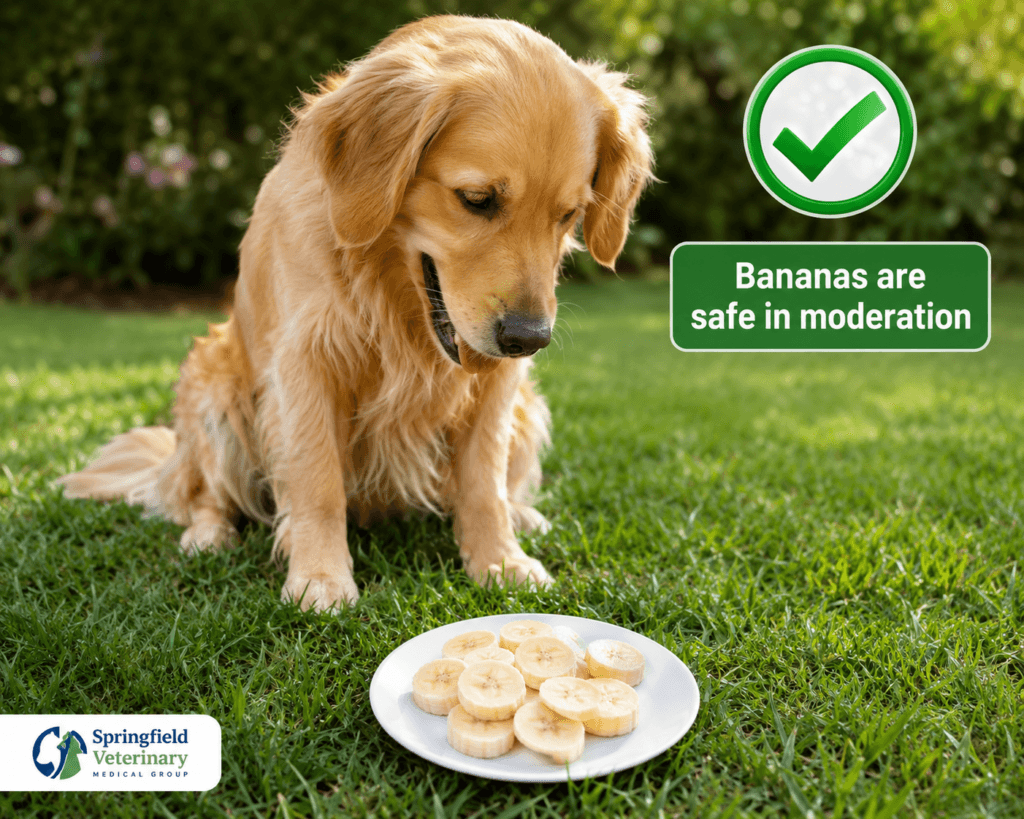
Bananas
Offer small portions because bananas contain natural sugars and are relatively calorie-dense.
Blueberries
Small, easy-to-serve berries can make a convenient occasional treat.
Strawberries
Wash thoroughly and remove the green top before serving.
Watermelon
Remove the seeds and rind, then serve the flesh in small pieces.
Mango
Remove the pit and serve only the flesh in moderation.
Pineapple
Serve small amounts of fresh, peeled pineapple without the tough core.
Pears
Remove the seeds and core before offering small pieces.
The appropriate choice depends on your dog’s health, diet, and individual tolerance.
You can connect this article to your existing WarmWag fruit guides through the internal linking box below.
 Lemon Safety: What About Lemon-Flavored Products?
 Lemon Safety: What About Lemon-Flavored Products?
The question Can Dogs Eat Lemons also applies to products that contain lemon.
Be careful with:
- Lemon desserts
- Lemon candy
- Lemon cookies
- Lemon cake
- Lemon sauces
- Lemon drinks
- Lemon-flavored supplements
- Lemon essential oils
The risk may come from ingredients other than lemon.
For example, certain sugar-free products can contain xylitol, an ingredient that is highly toxic to dogs. Chocolate-containing desserts can also pose a serious risk.
Always check the ingredients if your dog eats a processed food.
If you cannot determine what your dog consumed, contact your veterinarian and provide the product packaging or ingredient list if available.
Recommended Authority Resources
 Recommended Authority Resources
For reliable dog health and poison safety information, use established veterinary and animal health resources.
American Kennel Club
The American Kennel Club provides educational information about dog nutrition, health, behavior, and safety.
ASPCA
The ASPCA Animal Poison Control Center provides poison-related guidance for pet owners.
PetMD
The PetMD offers veterinary-reviewed pet health and nutrition information.
VCA Animal Hospitals
The VCA Animal Hospitals provides veterinary health resources and educational information.
Merck Veterinary Manual
The Merck Veterinary Manual is a veterinary reference covering animal diseases, toxicology, nutrition, and clinical care.

Safe Portions, Allergy Signs, Puppies, Citrus Comparisons & Dog-Friendly Alternatives
In the previous sections, we explained Can Dogs Eat Lemons, why lemons are not recommended as a regular treat, and what you should do if your dog accidentally consumes lemon.
Now, let’s go deeper into serving safety, possible reactions, puppy considerations, and how lemons compare with other citrus fruits.
How Much Lemon Can Dogs Eat?
When discussing Can Dogs Eat Lemons, it is important to understand that there is no recommended serving size for lemons because they are not a recommended dog treat.
In other words, you should not intentionally give your dog a bowl of lemon or add lemon juice to their food.
However, accidental ingestion is different.
If your dog briefly licks a tiny amount of lemon juice or tastes a small piece of lemon flesh, the situation may be less concerning than eating an entire lemon with its peel.
The amount consumed should always be considered alongside:
- Your dog’s body weight
- Age
- Breed
- Overall health
- Amount consumed
- Part of the lemon consumed
- Whether symptoms are present
A large dog that briefly tastes lemon is not in exactly the same situation as a tiny puppy that swallows a whole lemon.
If your dog has consumed a large amount, swallowed peel or rind, or is showing symptoms, contact your veterinarian.
What If My Dog Eats a Small Piece of Lemon?
If your dog accidentally eats a very small piece of lemon flesh, don’t immediately assume there is a serious emergency.
In many cases, the best first step is to calmly monitor your dog.
Watch for:
- Vomiting
- Diarrhea
- Drooling
- Reduced appetite
- Stomach discomfort
- Unusual tiredness
If your dog remains completely normal, continue monitoring.
However, if symptoms appear, become severe, or persist, contact your veterinarian.
The situation is more concerning if the small piece included a significant amount of peel or rind.
What If My Dog Eats a Whole Lemon?
Eating an entire lemon is more concerning than taking a small bite.
A whole lemon may expose your dog to:
- Lemon flesh
- Peel
- Rind
- Seeds
- A larger overall quantity of citrus compounds
The peel is particularly important because it can be difficult to digest and contains essential oils and other natural compounds that may cause problems.
If your dog has eaten an entire lemon, especially if your dog is small, a puppy, or has existing health problems, contact your veterinarian for guidance.
Do not wait for severe symptoms before seeking advice.
Signs of a Possible Allergy or Food Intolerance
A true allergy to lemon is not the most common concern when a dog consumes it. Digestive irritation is generally a more practical concern.
However, dogs can develop reactions to many different substances, and it is important to recognize signs that may indicate an allergic reaction.
Possible signs include:
- Facial swelling
- Swollen lips
- Hives
- Itching
- Red skin
- Repeated vomiting
- Diarrhea
- Difficulty breathing
A dog experiencing difficulty breathing, significant facial swelling, collapse, or other severe symptoms requires immediate veterinary attention.
Do not assume that every reaction after eating lemon is an allergy. Your veterinarian can help determine whether the symptoms are related to an allergic reaction, gastrointestinal irritation, or another problem.
How to Tell the Difference Between Allergy and Digestive Upset
This distinction can help dog owners understand what they are seeing.
Digestive Upset
More likely to include:
- Vomiting
- Loose stool
- Diarrhea
- Reduced appetite
- Mild abdominal discomfort
Possible Allergic Reaction
May include:
- Facial swelling
- Hives
- Sudden intense itching
- Swollen lips
- Difficulty breathing
The two can sometimes overlap, particularly when vomiting or diarrhea occurs.
If you’re unsure what is happening, contact your veterinarian.

Can Puppies Eat Lemons?
Puppies should not be intentionally fed lemons.
Puppies have developing digestive systems and are often more sensitive to dietary changes than adult dogs.
They are also naturally curious and may chew objects and foods they encounter.
If a puppy eats a tiny amount of lemon flesh, monitor closely.
If the puppy consumes:
- A whole lemon
- Lemon peel
- Lemon rind
- A large amount of lemon juice
- Lemon essential oil
contact your veterinarian.
Puppies are smaller than adult dogs, so the amount consumed relative to body size may be more significant.
Puppies also have a higher risk of swallowing objects whole, making large pieces of peel particularly concerning.
For puppy treats, choose foods specifically appropriate for puppies and keep new foods limited and gradual.
Can Small Dogs Eat Lemons?
The answer to Can Dogs Eat Lemons does not change simply because a dog is small.
Small dogs may be more affected by consuming the same absolute amount of food than a much larger dog because the quantity represents a larger portion of their body weight.
For example, a small piece of lemon peel may represent a more significant ingestion for a Chihuahua than for a large adult Labrador Retriever.
This is one reason it is important to tell your veterinarian:
- Your dog’s approximate weight
- The amount eaten
- The type of lemon product
- Whether peel was consumed
- How long ago the ingestion occurred
Can Senior Dogs Eat Lemons?
Senior dogs should also not be intentionally fed lemons.
Older dogs may have underlying health conditions or take medications that make dietary changes more complicated.
If your senior dog accidentally eats lemon, monitor closely and consider contacting your veterinarian for personalized advice.
This is especially important if your dog has:
- Kidney disease
- Liver disease
- Diabetes
- Chronic gastrointestinal problems
- A prescription diet
Lemon vs. Other Citrus Fruits for Dogs
Not all citrus fruits should be treated exactly the same.
Some citrus fruits may be tolerated in very small amounts when properly prepared, while others may be more acidic or contain parts that should not be consumed.
Here’s a practical comparison:
| Citrus Fruit | General Dog Safety | Important Considerations |
|---|---|---|
| Lemon | Not recommended | Highly acidic; avoid peel and rind |
| Lime | Not recommended | Acidic and may cause digestive upset |
| Grapefruit | Not recommended | Peel and seeds are concerning; acidity may irritate |
| Orange | Small amounts of flesh may be suitable | Remove peel and seeds |
| Tangerine | Small amounts may be suitable | Remove peel and seeds |
| Mandarin | Small amounts may be suitable | High natural sugar; serve sparingly |
The key point is that “citrus fruit” is not one single category when it comes to dog safety.
Even when a fruit is generally considered acceptable in small portions, preparation matters.
Remove:
- Peels
- Seeds
- Pits
- Tough cores
and offer only small portions.
Always introduce new foods gradually.

What Fruits Are Better Choices Than Lemons?
If you’re searching Can Dogs Eat Lemons because you want to add healthy fruits to your dog’s treat rotation, several alternatives may be more appropriate.
Blueberries
Blueberries are small and easy to portion.
They can be served fresh and washed thoroughly.
Watermelon
Watermelon can be a refreshing occasional treat.
Always remove the rind and seeds before serving.
Strawberries
Strawberries can be cut into small pieces appropriate for your dog’s size.
Bananas
Bananas can be offered in moderation because they contain natural sugars.
Apples
Apples should be prepared carefully by removing the core and seeds.
Mango
Mango flesh can be offered in small portions after removing the large pit and skin.
Pears
Remove the core and seeds before giving small pieces.
The best treat depends on your dog’s individual dietary needs.
How to Introduce New Fruit Safely
Even a fruit considered safe for dogs should be introduced carefully.
Follow these steps:
Step 1: Start Small
Give your dog a very small portion.
Step 2: Watch for Reactions
Observe your dog for several hours.
Step 3: Avoid Multiple New Foods
Introduce one new food at a time so you can identify the cause if a reaction occurs.
Step 4: Keep Portions Moderate
Treats should not replace your dog’s complete and balanced diet.
Step 5: Stop if Problems Develop
If your dog develops repeated vomiting, severe diarrhea, swelling, breathing difficulty, or other concerning symptoms, contact your veterinarian.
Can Dogs Eat Lemon-Flavored Dog Treats?
This depends entirely on the product’s ingredients.
A commercially manufactured dog treat labeled lemon-flavored may contain only a tiny amount of flavoring, but you should always read the ingredient list.
Avoid products containing ingredients that are unsafe for dogs.
If you’re unsure about a particular product, ask your veterinarian.
Remember that a product being marketed as “lemon-flavored” does not automatically make it appropriate for every dog.
Can Dogs Eat Lemon Zest?
Lemon zest should not be intentionally given to dogs.
Zest comes from the outer peel, which contains concentrated aromatic oils and other compounds.
Because the zest is derived from the peel, it is best to avoid feeding it to dogs.
If a dog accidentally consumes a tiny amount of zest incorporated into a baked product, the overall risk depends on the entire ingredient list and amount eaten.
Can Dogs Eat Lemon Extract?
Lemon extract is a concentrated product and is not appropriate as a dog treat.
It may contain alcohol or other ingredients depending on the product.
If your dog consumes lemon extract, check the product label and contact your veterinarian for advice, particularly if a significant quantity was consumed.
Can Dogs Eat Lemon-Flavored Water?
Plain, fresh water is the best everyday drink for dogs.
There is no need to add lemon to your dog’s drinking water.
Adding lemon may make the water less appealing and could cause digestive irritation in some dogs.
If you want to encourage your dog to drink more water, discuss appropriate strategies with your veterinarian rather than adding lemon juice.
Frequently Asked Questions
1. Can dogs eat lemons?
Can Dogs Eat Lemons? Dogs should not be intentionally fed lemons. A tiny accidental taste of lemon flesh may not cause serious problems in many healthy adult dogs, but lemons can cause digestive upset. Lemon peel and rind are more concerning and should be kept away from dogs.
2. What happens if my dog eats a small piece of lemon?
A small piece of lemon flesh may cause no symptoms, but some dogs can develop drooling, vomiting, diarrhea, stomach discomfort, or reduced appetite. Monitor your dog and contact your veterinarian if symptoms become severe or persistent.
3. Can dogs eat lemon peel?
No. Lemon peel and rind should not be intentionally fed to dogs. The peel contains essential oils and other natural compounds that may be harmful, and larger pieces may be difficult to digest.
4. Can dogs drink lemon juice?
Lemon juice is not recommended for dogs. Its acidity may irritate the digestive system, particularly when consumed in larger quantities. Fresh water is a much better everyday drink for dogs.
5. Can puppies eat lemons?
Puppies should not be intentionally given lemons. If a puppy eats lemon accidentally, especially the peel or rind, contact your veterinarian for advice.
6. Can dogs eat lemon seeds?
Lemon seeds are not an appropriate food for dogs. If your dog accidentally swallows a small number of seeds, monitor closely, but contact your veterinarian if a whole lemon or a large quantity was consumed.
7. Can dogs eat lemon cake or lemon cookies?
It is best not to give dogs lemon desserts. These foods may contain excessive sugar, fat, or other ingredients that are unsuitable or potentially dangerous for dogs. Always check the ingredients if your dog accidentally eats a dessert.
8. What should I do if my dog eats a whole lemon?
Stay calm and determine whether your dog consumed the peel, rind, and seeds. Contact your veterinarian for advice, especially if your dog is small, a puppy, or develops vomiting, diarrhea, lethargy, or other concerning symptoms.
9. Are oranges safer than lemons for dogs?
Small portions of properly prepared orange flesh may be suitable for some dogs, but the peel and seeds should be removed. Oranges should still be offered only as an occasional treat and not as a replacement for a balanced diet.
10. What fruit can dogs eat instead of lemons?
Depending on your dog’s individual health needs, small portions of fruits such as blueberries, strawberries, watermelon, apples, bananas, pears, mango, and pineapple may be suitable occasional treats when properly prepared.
Final Verdict: Can Dogs Eat Lemons?
Can Dogs Eat Lemons? The safest answer is no—not as a regular treat.
Although a tiny accidental taste of lemon flesh may not cause serious problems in many healthy adult dogs, lemons offer no meaningful nutritional advantage that dogs need from their diet.
The main concerns include:
- Digestive irritation
- Lemon peel and rind
- Essential oils in the outer peel
- Large quantities of lemon
- Concentrated lemon juice
- Lemon essential oils
- Potentially dangerous ingredients in lemon-flavored human foods
If your dog accidentally eats a small piece of lemon, monitor them calmly. If your dog eats a whole lemon, consumes a significant amount of peel, drinks concentrated lemon juice, or develops concerning symptoms, contact your veterinarian.
When choosing occasional fruit treats, there are many more practical options than lemons.
The bottom line: Keep lemons and lemon peels out of your dog’s reach, and choose dog-friendly treats instead.
Conclusion
Understanding Can Dogs Eat Lemons is important because a food that is perfectly normal for humans is not automatically a good choice for dogs.
Lemons are highly acidic and can cause digestive discomfort. The peel and rind are more concerning because they contain concentrated natural compounds and can be difficult for dogs to digest. Concentrated lemon products should also be kept away from pets.
If your dog accidentally tastes a small amount, there is usually no need to panic. Observe your dog and watch for signs of digestive upset. However, larger ingestion, swallowed peel, or serious symptoms should be discussed with a veterinarian.
For everyday treats, focus on foods that are easier to prepare and serve safely. Small portions of appropriate fruits can be an occasional addition to a balanced canine diet, provided they suit your dog’s individual health needs.
At WarmWag, our goal is to help dog parents make informed decisions about everyday foods and pet nutrition. When you are unsure whether a food is safe, checking with a veterinarian is always the best approach.