Table of Contents
- Can Dogs Eat Papaya?
- Is Papaya Safe for Dogs?
- Papaya Benefits for Dogs
- How Much Papaya Can Dogs Eat?
- How to Prepare Papaya for Dogs
- Can Puppies Eat Papaya?
- Can Dogs Eat Papaya Seeds or Skin?
- Papaya Risks and Side Effects
- Frequently Asked Questions
- Final Verdict
Can Dogs Eat Papaya?
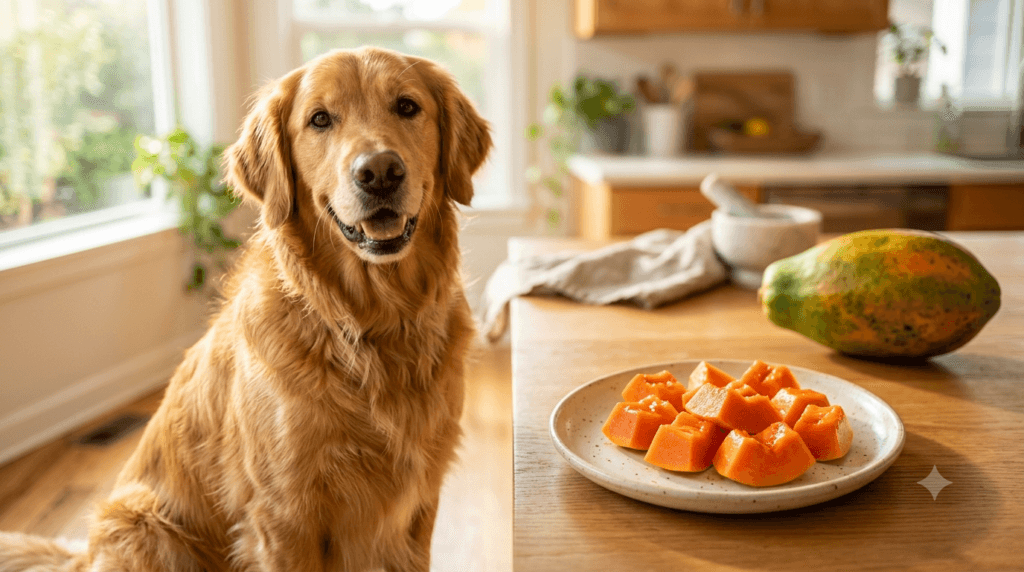
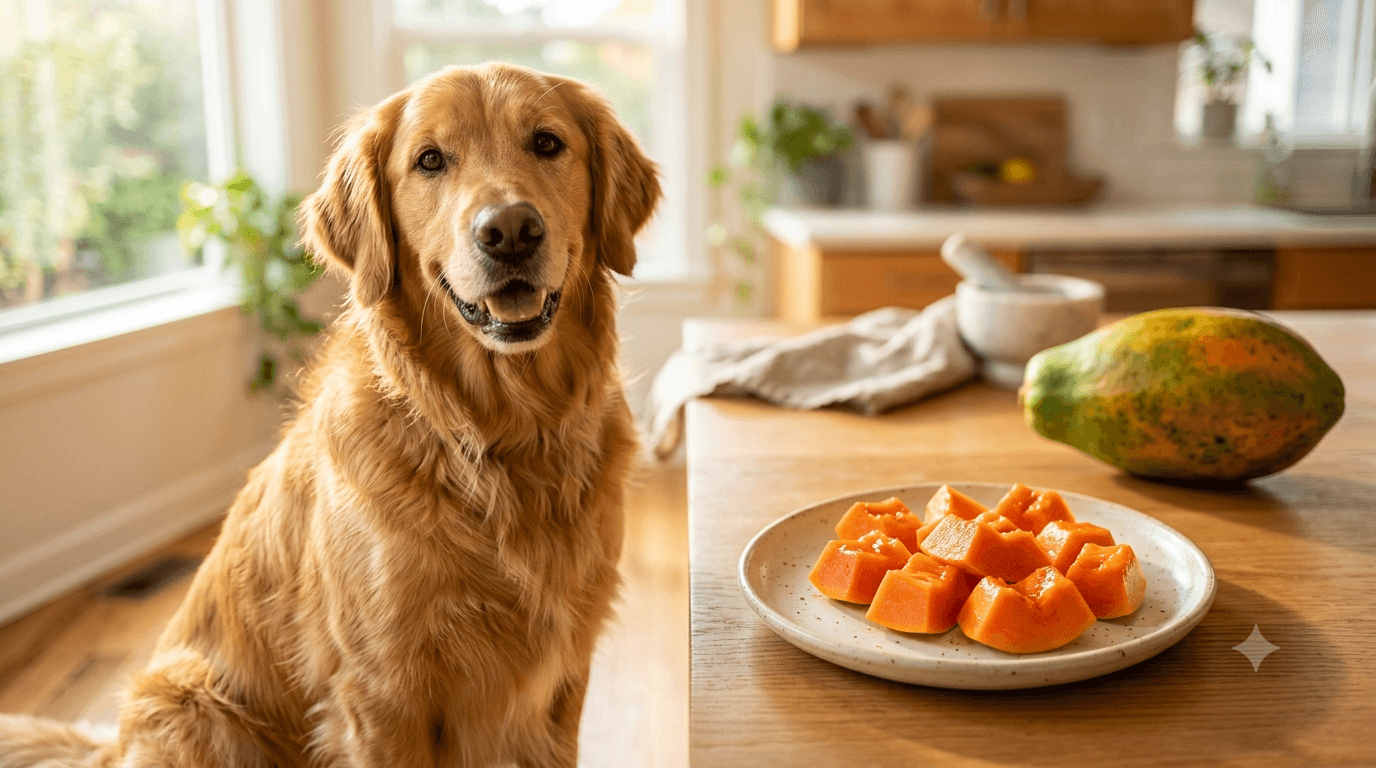
Yes, dogs can eat papaya in moderation. Ripe papaya flesh is generally safe for most healthy dogs when it is properly prepared and served in small, appropriate portions.
Papaya contains fiber, vitamins, and naturally occurring antioxidants, making it a potentially nutritious occasional treat. However, dogs should not eat the papaya seeds or tough skin, and large amounts of papaya may cause digestive upset.
The safest way to give papaya to your dog is to remove the seeds and skin, cut the ripe flesh into small, bite-sized pieces, and offer a modest portion as an occasional treat.
If your dog has diabetes, a sensitive stomach, food allergies, or another health condition, speak with your veterinarian before adding papaya or other new foods to their diet.
Quick Answer: Can Dogs Eat Papaya?
Yes. Most healthy dogs can eat small amounts of ripe, peeled, and seedless papaya as an occasional treat.
Papaya flesh provides nutrients such as fiber and vitamin C, but it should never replace your dog’s complete and balanced diet.
Safe Papaya Checklist for Dogs
 Ripe papaya flesh can be given in moderation.
- Remove all papaya seeds before serving.
- Remove the skin or tough outer rind.
- Cut the fruit into small, manageable pieces.
- Start with a small portion if your dog has never tried it.
- Too much papaya may cause diarrhea, gas, or stomach discomfort.
- Papaya seeds should not be intentionally fed to dogs.
- Avoid giving dogs sweetened or processed papaya products.
- Dogs with certain health conditions may need individual dietary advice.
 Ripe papaya flesh can be given in moderation.
 Too much papaya may cause diarrhea, gas, or stomach discomfort.
Bottom line: If your dog is healthy and tolerates fruit well, a few pieces of properly prepared ripe papaya can be a tasty occasional treat.
Is Papaya Safe for Dogs?
For most healthy dogs, the ripe flesh of papaya can be a safe occasional treat when prepared correctly.
The most important part of feeding papaya to dogs is understanding that the fruit flesh is different from the seeds and outer skin.
When preparing papaya for your dog, remove the seeds and peel the fruit before cutting the flesh into small pieces.
This simple preparation method helps you avoid unnecessary risks and makes the fruit easier for your dog to eat.
However, even safe foods can cause problems when dogs eat too much.
Papaya contains natural sugars and fiber. A large serving may be more than your dog’s digestive system can comfortably handle, especially if your dog has a sensitive stomach or isn’t accustomed to eating fruit.
That’s why moderation is important.
What Makes Papaya Different From Other Fruits?
Papaya is a tropical fruit with soft, orange-colored flesh and a naturally sweet flavor.
Unlike some fruits that have hard pits or large stones, papaya has numerous small black seeds inside the center.
These seeds should be removed before offering papaya to your dog.
The outer skin is also not something you should intentionally feed your dog. It is tough and may be difficult to digest.
The safest part to offer is the ripe inner flesh, prepared in small pieces.
This makes papaya similar to many other fruits where the edible portion may be safe while certain parts require removal.
Papaya Nutrition: What Does It Offer Dogs?
Papaya contains several nutrients that can contribute to a varied diet.
However, it’s important to keep the nutritional benefits in perspective.
Your dog does not need papaya to meet their essential nutritional requirements. A complete and balanced dog food should remain the foundation of their diet.
Papaya can simply be an occasional treat that provides variety.
Some nutrients naturally found in papaya include:
- Fiber
- Vitamin C
- Vitamin A
- Folate
- Other naturally occurring plant compounds
The exact nutritional value your dog receives will depend on the portion size.
Because dogs typically eat relatively small portions of fruit, papaya should be viewed as a supplemental treat rather than a significant source of essential nutrients.
Potential Benefits of Papaya for Dogs
1. Papaya Contains Dietary Fiber
Papaya provides dietary fiber, which can support normal digestive function as part of an overall balanced diet.
Fiber is important for healthy digestion, but too much at once can have the opposite effect.
If a dog suddenly eats a large amount of papaya, the increased fiber and natural sugars may contribute to:
- Loose stool
- Diarrhea
- Gas
- Stomach discomfort
For this reason, introduce papaya gradually.
A small serving is a much better starting point than giving your dog a large bowl of fruit.
2. Papaya Provides Vitamin C
Papaya naturally contains vitamin C.
Dogs are generally capable of producing their own vitamin C, so they don’t typically require fruit as their primary source.
Still, vitamin C is an important antioxidant nutrient involved in normal biological processes.
The presence of vitamin C is one reason papaya can be considered a nutrient-containing fruit treat, but it should not be promoted as a treatment for illness or a replacement for veterinary care.
3. Papaya Contains Antioxidant Compounds
Papaya contains naturally occurring plant compounds with antioxidant properties.
Antioxidants help protect cells from oxidative stress as part of normal biological processes.
While this sounds impressive, it’s important not to overstate the benefits.
Feeding your dog papaya is not a cure for disease, and there is no reason to believe that simply adding papaya to a dog’s diet will prevent health problems.
Instead, think of papaya as one small part of a balanced lifestyle that includes:
- Complete nutrition
- Regular exercise
- Healthy body weight
- Preventive veterinary care
- Appropriate dental care
- Mental enrichment
4. Papaya Can Add Variety to Treat Time
Dogs can become excited by new tastes and textures.
For dogs that enjoy fruit, a small piece of ripe papaya can provide variety compared with the same traditional treats every day.
You might offer a small piece:
- After a walk
- During training
- As an occasional reward
- Alongside an appropriate meal
- As a small enrichment treat
However, not every dog will enjoy papaya.
Some dogs may love the sweet tropical flavor, while others may sniff it and walk away.
That’s perfectly normal.
You never need to force your dog to eat a particular fruit.
5. Papaya May Be a Simple Alternative to Highly Processed Treats
Plain fresh papaya can be a simple alternative to some highly processed human snacks.
However, that does not mean you should replace your dog’s regular treats with unlimited fruit.
Portion control still matters.
A small amount of plain papaya is very different from a sugary papaya dessert, smoothie, canned fruit in syrup, or sweetened dried fruit.
When choosing a treat for your dog, the simplest option is often the easiest to evaluate.
How Much Papaya Can Dogs Eat?
The right amount of papaya depends on your dog’s size, overall diet, activity level, calorie needs, and individual tolerance.
There is no single serving size that is appropriate for every dog.
As a general starting point, consider the following:
| Dog Size | Suggested Starting Portion |
|---|---|
| Extra-small dogs | 1–2 small bite-sized pieces |
| Small dogs | 2–3 small pieces |
| Medium dogs | 3–5 small pieces |
| Large dogs | 5–8 small pieces |
| Extra-large dogs | A modest handful of small pieces |
These amounts are general starting guidelines, not veterinary prescriptions.
If your dog has never eaten papaya before, begin with less.
Observe how your dog responds before offering more on another occasion.
Remember that papaya is a treat.
Your dog’s primary nutrition should come from a complete and balanced diet appropriate for their age and life stage.
A Better Way to Think About Serving Size
Instead of asking only, “How many pieces of papaya can my dog eat?” consider the bigger picture.
Ask:
How much food and how many treats does my dog already receive each day?
If your dog already gets:
- Training treats
- Dental chews
- Commercial snacks
- Table scraps
- Other fruits
then adding papaya increases the total amount of extra food your dog consumes.
A small piece of papaya may be perfectly reasonable, but several handfuls combined with other treats could become excessive.
For dogs that need to lose weight or follow a calorie-controlled diet, talk with your veterinarian about appropriate treat portions.
How to Prepare Papaya for Dogs
Preparing papaya for your dog is relatively simple.
Follow these steps before serving it.
Step 1: Choose a Ripe Papaya
Choose a ripe papaya with soft, orange-colored flesh.
Avoid fruit that is moldy, rotten, or spoiled.
Step 2: Wash the Outside
Wash the whole papaya before cutting it.
This helps remove dirt and surface contaminants from the outside of the fruit.
Step 3: Cut the Papaya Open
Slice the papaya carefully and expose the inside.
Step 4: Remove All Seeds
Scoop out the black seeds from the center.
Do not intentionally feed papaya seeds to your dog.
Step 5: Remove the Skin
Peel away the outer skin.
The skin is tougher than the soft inner flesh and is not the part you should offer as a dog treat.
Step 6: Cut the Flesh Into Small Pieces
Cut the ripe papaya flesh into appropriately sized pieces for your dog.
Small pieces are easier to portion and may be easier for smaller dogs to manage.
Step 7: Start With a Small Amount
If papaya is new to your dog, offer a small serving first.
Monitor your dog for signs of digestive upset before offering it again.

Can Dogs Eat Papaya Seeds?
No, you should not intentionally feed papaya seeds to your dog.
When preparing papaya, remove the seeds completely before giving the fruit to your pet.
Papaya seeds are small, hard, and not a necessary part of a dog’s diet.
The safest approach is to discard them and offer only the properly prepared ripe flesh.
If your dog accidentally eats a very small number of seeds, don’t panic. Monitor your pet and contact your veterinarian if you are concerned or if your dog develops unusual symptoms.
However, deliberately including papaya seeds in your dog’s food is unnecessary and should be avoided.
Can Dogs Eat Papaya Skin?
It’s best to remove papaya skin before giving the fruit to your dog.
The skin is tougher than the soft inner flesh and may be difficult for some dogs to digest.
It also adds no meaningful reason to take the risk of feeding it.
When preparing papaya, the simplest approach is:
Wash → Cut → Remove Seeds → Remove Skin → Cut Flesh → Serve Small Portion
This keeps the preparation straightforward and allows your dog to enjoy the soft inner fruit without unnecessary parts.
Can Puppies Eat Papaya?
Puppies that are already eating solid food may be able to eat a very small amount of properly prepared ripe papaya, but extra care is important.
Puppies have smaller mouths and developing digestive systems, so they may be more sensitive to new foods.
If you want to introduce papaya to a puppy:
- Start with a tiny piece.
- Remove all seeds.
- Remove the skin.
- Cut the flesh into very small pieces.
- Supervise your puppy while eating.
- Introduce only one new food at a time.
- Watch for digestive upset.
Your puppy’s main nutrition should come from a complete and balanced puppy food designed for their growth and development.
Papaya is an optional treat, not a nutritional requirement.
Can Papaya Help a Dog’s Digestion?
Papaya contains fiber, which can support normal digestive function as part of an overall balanced diet.
However, you should not rely on papaya as a treatment for constipation, diarrhea, or other digestive disorders.
If your dog is experiencing ongoing digestive problems, the cause needs to be properly evaluated.
Giving your dog large amounts of papaya in an attempt to “fix” digestion could actually make symptoms worse.
If your dog has:
- Persistent constipation
- Repeated diarrhea
- Frequent vomiting
- Blood in the stool
- Significant abdominal pain
- Loss of appetite
contact your veterinarian.
Important Takeaway
Can dogs eat papaya? Yes—most healthy dogs can enjoy small amounts of ripe, peeled, and seedless papaya as an occasional treat.
The safest approach is to keep the portion small, remove the seeds and skin, and introduce the fruit gradually.
Papaya can add variety and provide naturally occurring nutrients, but it should never replace a complete and balanced dog diet.
Can Dogs Eat Fresh Papaya?
Yes, most healthy dogs can eat small amounts of fresh, ripe papaya when it is prepared correctly.
Fresh papaya is generally the best form to offer because you have control over exactly what your dog is eating.
Before serving:
- Wash the fruit.
- Remove the outer skin.
- Remove all seeds.
- Cut the soft flesh into small pieces.
- Start with a small serving.
Avoid adding sugar, salt, honey, syrup, spices, or other ingredients.
Plain papaya is the simplest option.
Fresh papaya can be offered occasionally as a treat, but it should remain a small part of your dog’s overall diet.
Can Dogs Eat Frozen Papaya?
Dogs can generally eat plain frozen papaya if the fruit has been prepared properly first.
Frozen papaya can be an interesting occasional treat, especially during warmer weather.
However, freezing changes the texture and makes the fruit firmer.
For this reason, take extra care with:
- Small dogs
- Puppies
- Senior dogs
- Dogs with dental problems
- Dogs that swallow food quickly
Instead of giving your dog a large frozen chunk, cut papaya into small pieces before freezing.
You can also allow the pieces to soften slightly before serving.
Never freeze papaya with its seeds or skin still attached.
Can Dogs Eat Dried Papaya?
This depends heavily on the product.
Plain dried papaya may be safe in very small amounts, but many commercial dried fruit products contain added sugar or other ingredients that aren’t ideal for dogs.
Dried fruit is also more concentrated than fresh fruit, meaning a small amount may contain more sugar and calories than the same volume of fresh papaya.
If you want to give your dog papaya, fresh plain papaya is generally the easier option to control.
Always check the ingredient label before giving your dog any commercially prepared dried fruit.
Avoid products containing:
- Added sugar
- Artificial sweeteners
- Chocolate
- Excessive salt
- Spices
- Other potentially harmful ingredients
Can Dogs Drink Papaya Juice?
It’s better to avoid giving dogs commercial papaya juice.
Juices often contain:
- Added sugar
- Concentrated fruit sugars
- Artificial flavors
- Preservatives
- Other unnecessary ingredients
Dogs don’t need fruit juice to receive the potential nutritional benefits of papaya.
If your dog enjoys papaya, a few pieces of plain fresh fruit are a much simpler choice.
Whole fruit also provides fiber that may be reduced or altered when fruit is processed into juice.
Can Dogs Eat Papaya Smoothies?
Be careful with smoothies.
A homemade smoothie made from plain papaya and water may not necessarily be harmful in a tiny amount, but many human smoothies contain additional ingredients that aren’t appropriate for dogs.
For example, smoothies may include:
- Milk or dairy
- Added sugar
- Honey
- Chocolate
- Artificial sweeteners
- Protein powders
- Other fruits
- High-calorie ingredients
Some ingredients can be dangerous for dogs.
If you want to share papaya with your dog, plain fresh papaya is a safer and simpler option than sharing a human smoothie.
Can Dogs Eat Papaya With Yogurt?
Some dogs can tolerate small amounts of plain, unsweetened yogurt, but not every dog handles dairy well.
If your dog already tolerates plain yogurt, you may be able to combine a small amount with properly prepared papaya.
However, always check the ingredient label.
Avoid yogurt products containing xylitol, an artificial sweetener that is highly toxic to dogs.
Also avoid heavily sweetened fruit yogurt.
A simple combination of plain papaya and a small amount of plain, unsweetened yogurt may be appropriate for some dogs, but it isn’t necessary for your dog’s nutrition.
Can Dogs Eat Papaya With Other Fruits?
Yes, dogs can potentially enjoy small portions of several dog-safe fruits, but introducing too many new foods at once isn’t a good idea.
For example, if your dog has never eaten papaya before, don’t introduce papaya, blueberries, strawberries, and mango all on the same day.
If your dog develops diarrhea or vomiting, you won’t know which food caused the problem.
Instead:
Introduce one new food → start with a tiny portion → observe your dog → continue only if tolerated.
Once you know your dog tolerates papaya, you can occasionally combine small amounts of other dog-safe fruits.
However, remember that combining several fruits can increase the total amount of sugar, fiber, and calories your dog consumes.
Moderation remains important.
Papaya and Your Dog’s Digestive System
One of the most important things to understand about Can Dogs Eat Papaya? is that a food can be safe in moderation but problematic in excess.
Papaya contains natural sugars and dietary fiber.
For some dogs, a small serving may be completely comfortable.
For others, especially dogs with sensitive digestive systems, too much may cause:
- Gas
- Loose stool
- Diarrhea
- Stomach discomfort
- Temporary changes in bowel movements
This is why portion control matters.
If your dog develops digestive problems after eating papaya, stop offering it and allow their digestive system to settle.
If symptoms are severe, persistent, or accompanied by other concerning signs, contact your veterinarian.
What Happens If a Dog Eats Too Much Papaya?
If your dog accidentally eats a large quantity of papaya, don’t automatically assume something serious will happen.
However, eating too much fruit may lead to digestive upset.
Possible symptoms include:
- Diarrhea
- Vomiting
- Gas
- Abdominal discomfort
- Temporary loss of appetite
The severity can depend on:
- How much papaya your dog ate
- Your dog’s size
- Your dog’s health
- Whether the papaya contained seeds or skin
- Whether other ingredients were present
If your dog has eaten a large amount of papaya or is showing significant symptoms, contact your veterinarian for personalized advice.
Can Dogs Eat Papaya if They Have a Sensitive Stomach?
Dogs with sensitive stomachs may need more caution when trying new foods.
Even foods that are generally considered safe can cause problems in individual dogs.
If your dog frequently experiences:
- Diarrhea
- Vomiting
- Gas
- Food intolerance
- Digestive sensitivity
don’t introduce papaya without considering your veterinarian’s advice.
If you decide to try it, start with a very small amount and monitor your dog carefully.
If your dog reacts poorly, stop feeding papaya.
A dog doesn’t need to eat every fruit that is considered safe.
Can Overweight Dogs Eat Papaya?
An overweight dog may be able to enjoy a small portion of papaya, but treats should be carefully managed.
Papaya contains natural sugars and calories, and these still count toward your dog’s overall food intake.
If your dog is trying to lose weight, you may need to:
- Reduce high-calorie treats.
- Measure food portions carefully.
- Avoid frequent table scraps.
- Choose lower-calorie treats.
- Follow your veterinarian’s weight-management plan.
A small piece of papaya occasionally may fit into some weight-loss plans, but your veterinarian can help determine the appropriate amount for your individual dog.
Can Dogs With Diabetes Eat Papaya?
Dogs with diabetes require careful dietary management.
Because papaya contains naturally occurring sugars and carbohydrates, you should not assume it is automatically appropriate for every diabetic dog.
If your dog has diabetes, ask your veterinarian before introducing papaya.
Your veterinarian can consider your dog’s:
- Blood glucose management
- Current diet
- Weight
- Medication
- Overall health
and determine whether a small amount of fruit can fit into their individual nutrition plan.
Can Dogs With Food Allergies Eat Papaya?
Papaya isn’t considered one of the most common food allergens in dogs, but individual dogs can react differently to foods.
If your dog has a known food allergy or is currently following an elimination diet, don’t introduce papaya without veterinary guidance.
During an elimination diet, adding new foods can interfere with the process of identifying the ingredient responsible for your dog’s symptoms.
Follow your veterinarian’s instructions carefully.
Can Senior Dogs Eat Papaya?
Many healthy senior dogs can enjoy small amounts of properly prepared papaya.
However, older dogs are more likely to have health conditions that affect their dietary needs.
These may include:
- Diabetes
- Kidney disease
- Dental problems
- Obesity
- Gastrointestinal disease
- Other chronic conditions
If your senior dog has difficulty chewing, you can mash ripe papaya into a soft consistency rather than offering large pieces.
If your dog has a medical condition or follows a prescription diet, consult your veterinarian before adding papaya.

Can Dogs Eat Papaya Every Day?
While many healthy dogs can tolerate small amounts of papaya, there is no nutritional need to feed papaya every day.
Your dog can receive complete nutrition from a properly formulated complete and balanced diet.
Papaya should be considered an optional treat.
If you give your dog fruit every day, make sure the total amount of treats and extras remains appropriate for their calorie needs.
You can also vary treats rather than relying on one type of fruit.
The goal is not to maximize the number of foods your dog eats.
The goal is to provide a balanced diet and occasional treats that your dog enjoys and tolerates well.
Can Papaya Improve a Dog’s Immune System?
Papaya contains vitamin C and other nutrients, but claims that feeding papaya will dramatically “boost” your dog’s immune system should be treated cautiously.
A healthy immune system depends on many factors, including:
- Genetics
- Age
- Nutrition
- Exercise
- Sleep
- Stress
- Preventive healthcare
- Vaccination
- Overall health
No single fruit can replace proper veterinary care or a complete diet.
Papaya can be a nutritious occasional treat, but it shouldn’t be presented as a treatment or cure for disease.
Can Papaya Help Dogs With Constipation?
Papaya contains fiber, but it should not be considered a guaranteed remedy for constipation.
Constipation can have many causes, including:
- Dehydration
- Lack of dietary fiber
- Ingestion of foreign objects
- Pain
- Medication
- Underlying health problems
If your dog is constipated, don’t rely on large amounts of papaya as a home treatment.
Contact your veterinarian if constipation is persistent, severe, or accompanied by vomiting, abdominal pain, lethargy, or loss of appetite.
Can Dogs Eat Papaya Leaves?
It’s best not to intentionally feed papaya leaves to your dog.
When discussing Can Dogs Eat Papaya?, the focus should be on the ripe edible flesh.
There is no reason to add papaya leaves to your dog’s diet, and they are not a necessary source of nutrition.
Stick with properly prepared ripe papaya flesh and avoid experimenting with other parts of the plant.
Can Dogs Eat Cooked Papaya?
Dogs generally don’t need cooked papaya.
Cooking may change the fruit’s texture and nutritional profile, and many recipes include additional ingredients that dogs don’t need.
If you want to offer papaya, plain ripe fresh fruit is generally the easiest option.
If you do prepare a dog-specific recipe containing papaya, avoid adding:
- Sugar
- Chocolate
- Xylitol
- Excessive salt
- Artificial sweeteners
- Spices that may be unsafe for dogs
Keep the recipe simple and offer only a small amount.
Papaya Treat Ideas for Dogs
If your dog enjoys papaya, you can offer it in simple ways.
1. Plain Papaya Pieces
The simplest option is a few small pieces of ripe, peeled, seedless papaya.
2. Mashed Papaya
Mash a small amount of ripe papaya for puppies or senior dogs that have difficulty chewing.
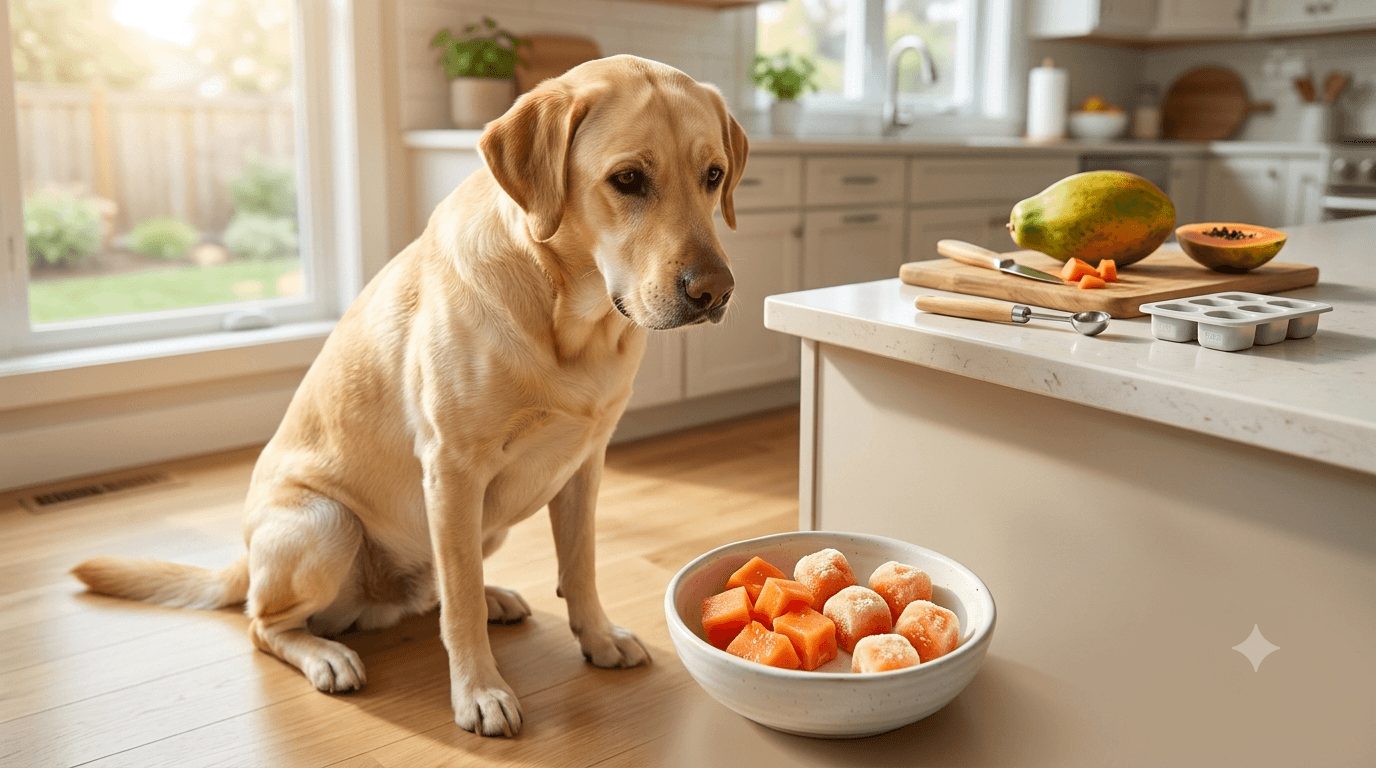
3. Frozen Papaya Bites
Cut papaya into tiny pieces and freeze them for an occasional warm-weather treat.
Allow them to soften slightly before giving them to small dogs or dogs that eat quickly.
4. Papaya Food Topper
A tiny amount of mashed papaya can occasionally be added to your dog’s regular food.
Don’t use fruit to replace their normal balanced meal.
5. Papaya and Plain Yogurt
If your dog already tolerates plain, unsweetened yogurt, you can occasionally combine a tiny amount with prepared papaya.
Always check the ingredient label and avoid xylitol.
What Are the Risks of Feeding Papaya to Dogs?
Although the ripe flesh can be safe for many dogs, papaya isn’t risk-free.
The main concerns involve:
Overfeeding
Too much papaya can contribute to digestive upset and unnecessary calorie intake.
Seeds
Papaya seeds should be removed before serving.
Skin
The tough outer skin should also be removed.
Processed Products
Papaya juice, sweetened dried papaya, desserts, and other processed products may contain ingredients that aren’t suitable for dogs.
Individual Sensitivity
Some dogs may simply not tolerate papaya well.
Existing Health Conditions
Dogs with diabetes, food allergies, sensitive digestive systems, or other health problems may need individualized dietary guidance.
The safest approach is to keep servings small and stick with plain, properly prepared fruit.
How to Know if Papaya Isn’t Agreeing With Your Dog
After introducing any new food, pay attention to your dog’s behavior and digestion.
Signs that your dog may not tolerate papaya include:
- Loose stool
- Diarrhea
- Vomiting
- Excessive gas
- Bloating
- Loss of appetite
- Unusual lethargy
- Signs of abdominal discomfort
If symptoms are mild, stop feeding papaya and monitor your dog.
If symptoms are severe or continue, contact your veterinarian.
If your dog experiences difficulty breathing, facial swelling, collapse, or other signs of a serious reaction, seek emergency veterinary care.
The Bottom Line So Far
Can Dogs Eat Papaya? Yes, most healthy dogs can enjoy small amounts of ripe papaya flesh when the seeds and skin are removed.
Papaya can provide fiber and naturally occurring nutrients, but it should remain an occasional treat rather than a major part of your dog’s diet.
The safest method is simple:
Choose ripe fruit → wash it → remove skin → remove seeds → cut into small pieces → serve a small portion → monitor your dog.
Avoid giving your dog processed papaya products that contain added sugar or potentially harmful ingredients.
Can Dogs Eat Papaya Seeds or Skin?
No. When preparing papaya for your dog, remove both the seeds and the outer skin.
The soft, ripe inner flesh is the part that is most appropriate to offer as an occasional treat.
Papaya seeds are not something you should intentionally add to your dog’s food, while the tough outer skin may be difficult to digest.
A simple preparation routine is:
Wash → Peel → Remove Seeds → Cut → Serve
This keeps the treat simple and makes it easier to control the amount your dog eats.
Can Dogs Eat Papaya in Large Amounts?
No. Even if your dog enjoys papaya and tolerates it well, more is not necessarily better.
Papaya contains natural sugars and fiber. Eating a large amount at once can potentially cause digestive upset.
Your dog may experience:
- Gas
- Loose stool
- Diarrhea
- Vomiting
- Stomach discomfort
Large portions also add extra calories to your dog’s daily diet.
If your dog accidentally eats more papaya than intended, monitor them closely. If they develop severe or persistent symptoms, contact your veterinarian.
Can Dogs Eat Papaya With Other Treats?
Yes, but you should consider the total amount of treats your dog receives throughout the day.
For example, if your dog already receives:
- Training treats
- Dental chews
- Commercial dog biscuits
- Table scraps
- Other fruits
adding papaya increases their total intake of extra calories.
A small piece of papaya may be perfectly reasonable, but several different treats throughout the day can quickly add up.
The goal is to keep treats and other extras appropriately portioned while maintaining a complete and balanced primary diet.
Is Papaya Better Than Commercial Dog Treats?
Not necessarily.
Papaya is a whole fruit and can be a simple occasional treat, but it isn’t automatically healthier than every commercial dog treat.
Some commercial treats are specifically formulated for dogs and can fit appropriately into a balanced diet.
The important factors are:
- Ingredients
- Calories
- Portion size
- Your dog’s health
- Your dog’s individual needs
If your dog enjoys papaya, you can use it as one occasional treat option.
There is no need to completely replace all dog treats with fruit.
Can Dogs Eat Papaya if They Are on a Prescription Diet?
If your dog is following a veterinarian-prescribed diet, ask your veterinarian before adding papaya.
Prescription diets are often designed for specific health conditions, and adding extra foods may interfere with the nutritional goals of the diet.
This is particularly important for dogs with:
- Kidney disease
- Diabetes
- Pancreatitis
- Gastrointestinal disorders
- Urinary conditions
- Food allergies
Even a small amount of a new food may not be appropriate for every dog.
When your veterinarian has prescribed a specific diet, follow their recommendations rather than assuming a food is safe simply because it is generally considered dog-friendly.
Can Dogs Eat Papaya if They Have Pancreatitis?
Dogs with a history of pancreatitis need careful dietary management.
Because pancreatitis can be associated with dietary fat and other factors, you should not introduce papaya or any new treat without veterinary guidance if your dog has this condition.
The safest approach is to follow the diet recommended by your veterinarian.
If you’re unsure whether a particular fruit fits your dog’s treatment plan, contact your veterinary team before offering it.
Can Dogs Eat Papaya if They Have Kidney Disease?
Dogs with kidney disease may have specific dietary requirements involving nutrients such as phosphorus, protein, sodium, and others.
Because every dog’s condition is different, there is no universal answer about whether papaya is appropriate.
If your dog has kidney disease, ask your veterinarian before adding papaya to their diet.
The right choice depends on your dog’s current kidney function, diet, medications, and overall health.
Can Dogs Eat Papaya if They Have Diarrhea?
It’s generally best not to introduce papaya while your dog is experiencing diarrhea.
Although papaya contains fiber, giving a new food during digestive upset may make it harder to determine what’s causing the problem.
Instead, focus on your veterinarian’s advice and your dog’s established diet.
If diarrhea is severe, persistent, bloody, or accompanied by vomiting, weakness, dehydration, or other concerning symptoms, contact your veterinarian promptly.
Can Dogs Eat Papaya After Vomiting?
If your dog has recently vomited, don’t immediately give them papaya or other new foods.
The appropriate response depends on:
- Why your dog vomited
- How often they vomited
- Their age
- Their overall health
- Whether other symptoms are present
If vomiting continues or your dog appears weak, painful, dehydrated, or unusually quiet, seek veterinary advice.
Once your dog has recovered and is eating normally again, you can discuss introducing new treats with your veterinarian if necessary.
Can Dogs Eat Papaya During Hot Weather?
Yes, properly prepared papaya can be offered as an occasional treat during warm weather.
Some dogs may enjoy small chilled or partially frozen pieces.
However, papaya should never replace fresh drinking water.
Your dog should always have access to clean, fresh water.
If your dog shows signs of heatstroke—including excessive panting, weakness, confusion, collapse, or other severe symptoms—don’t attempt to treat the condition with fruit.
Heatstroke is an emergency requiring immediate veterinary attention.
Can Dogs Eat Papaya Before or After Exercise?
A small amount of papaya can be offered as an occasional treat, but there’s no special requirement for dogs to eat papaya before or after exercise.
Your dog needs:
- Adequate hydration
- Appropriate nutrition
- Proper rest
- Exercise suited to their age and fitness
For dogs participating in intense physical activity, discuss nutrition and feeding schedules with your veterinarian.
Papaya should not be treated as a performance supplement or energy replacement.
Can Dogs Eat Papaya as a Training Reward?
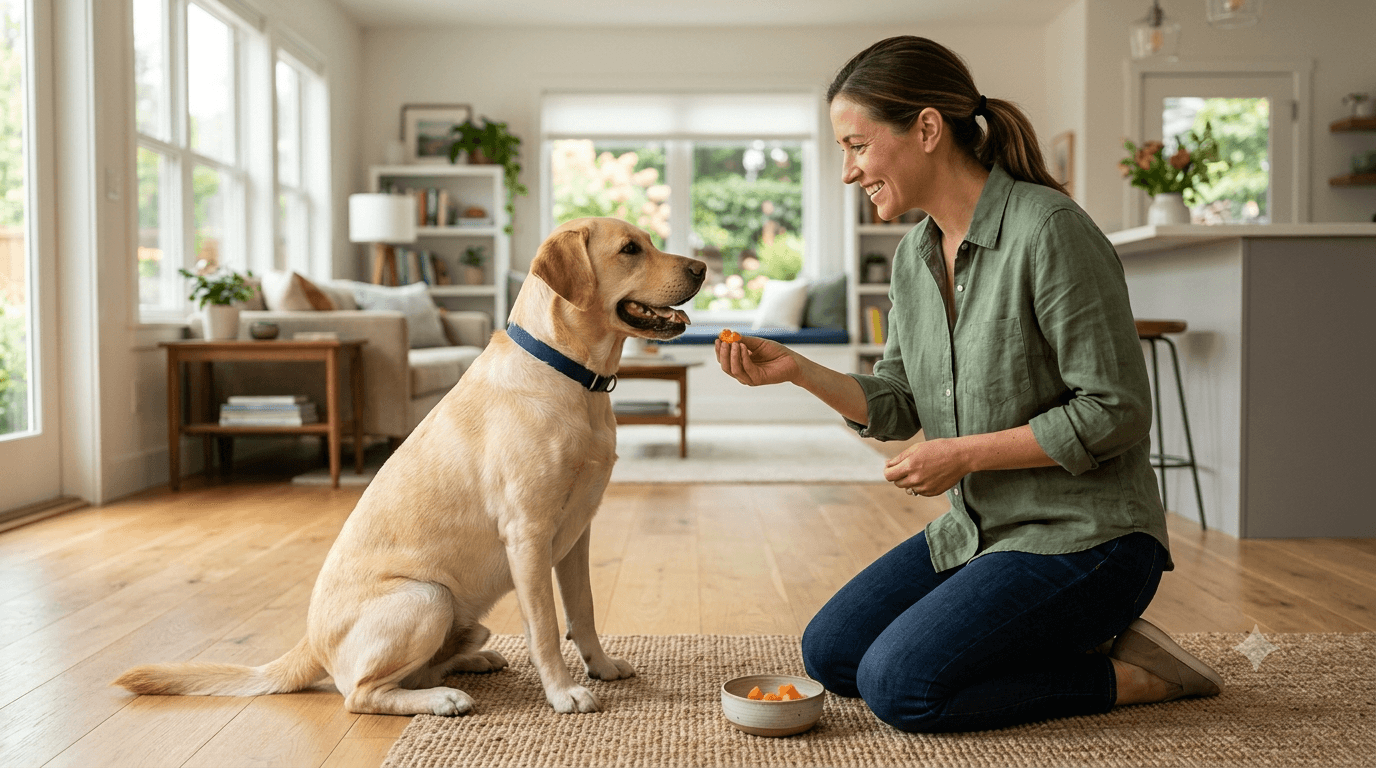
Yes, small pieces of papaya can work as an occasional training reward if your dog enjoys the taste.
For training, cut the fruit into very small pieces.
This allows you to reward your dog multiple times without giving them large portions.
You can use tiny papaya pieces for behaviors such as:
- Sit
- Stay
- Come
- Leave it
- Loose-leash walking
- Recall training
However, if you’re doing a long training session, remember that even tiny treats can add up.
You can also alternate papaya with your dog’s regular training treats.
Can Dogs Eat Papaya at Night?
There is no special reason dogs need to eat papaya at a particular time of day.
If your dog tolerates papaya well, you can offer a small amount as an occasional treat whenever it fits into their daily routine.
The most important factors are:
- Portion size
- Overall calorie intake
- Your dog’s individual tolerance
- Their health needs
The timing of the treat is generally less important than how much your dog eats.
Can Dogs Eat Papaya Before Bed?
A small piece of papaya before bed is unlikely to be necessary for most dogs.
If your dog enjoys it and tolerates it well, an occasional small serving may be fine.
However, avoid giving large portions of any new food immediately before bedtime.
If your dog experiences digestive upset, you may end up with an uncomfortable night for both of you.
For dogs with sensitive stomachs, it’s better to introduce new foods earlier in the day so you can observe them afterward.
Can Dogs Eat Papaya Every Day for Constipation?
You should not use daily papaya as a self-treatment for ongoing constipation.
While the fruit contains fiber, constipation can have many different causes.
Your dog may need veterinary evaluation if constipation is persistent or recurring.
Possible causes include:
- Dehydration
- Lack of appropriate dietary fiber
- Pain
- Medication
- Foreign-body ingestion
- Underlying medical conditions
If your dog repeatedly struggles to pass stool, consult your veterinarian instead of relying on fruit.
Is Papaya Good for a Dog’s Skin and Coat?
Papaya contains nutrients that are part of a healthy diet, but there is not a good reason to view papaya as a special treatment for your dog’s skin or coat.
A healthy coat depends on many factors, including:
- Genetics
- Nutrition
- Parasite prevention
- Grooming
- Skin health
- Overall medical condition
If your dog has persistent itching, hair loss, redness, or skin irritation, contact your veterinarian.
Adding papaya alone is unlikely to address an underlying skin condition.
Does Papaya Help Dogs With Worms?
You may see claims online suggesting that papaya seeds or papaya products can eliminate intestinal worms.
However, you should not rely on papaya as a substitute for veterinary-approved parasite treatment.
If you suspect your dog has worms, your veterinarian can recommend appropriate testing and treatment.
Signs that may warrant veterinary attention include:
- Visible worms in stool
- Persistent diarrhea
- Weight loss
- Vomiting
- Bloated abdomen
- Poor growth in puppies
- Changes in appetite
Proper diagnosis is important because different parasites require different treatments.
Can Dogs Eat Papaya Jam or Preserves?
It’s best to avoid giving your dog papaya jam or preserves.
These products often contain:
- Large amounts of added sugar
- Sweeteners
- Preservatives
- Other unnecessary ingredients
Some products may contain ingredients that are dangerous to dogs.
If you want to give your dog papaya, plain fresh fruit is a much simpler option.
Can Dogs Eat Papaya Cake or Dessert?
No, you should avoid sharing papaya cake and desserts with your dog.
Desserts can contain:
- Sugar
- Butter
- High-fat ingredients
- Chocolate
- Artificial sweeteners
- Alcohol
- Other ingredients unsuitable for dogs
A small amount of plain papaya is very different from a slice of human dessert containing papaya.
Always consider the entire ingredient list, not just the fruit used in the recipe.
What Should You Do if Your Dog Eats Papaya Seeds?
If your dog accidentally eats a small number of papaya seeds, don’t panic.
The appropriate response depends on:
- How many seeds were eaten
- Your dog’s size
- Your dog’s health
- Whether other parts of the fruit were consumed
Monitor your dog for unusual symptoms and contact your veterinarian if you are concerned.
If your dog has eaten a large amount of seeds or is showing significant symptoms, seek professional veterinary advice.
The best prevention is to remove all seeds before giving papaya to your dog.
What Should You Do if Your Dog Eats a Whole Papaya?
If your dog has eaten an entire papaya, the situation depends on the size of the fruit and which parts were consumed.
A dog that eats only the ripe flesh may experience digestive upset from overeating.
A dog that consumes the skin and seeds may require closer monitoring.
Contact your veterinarian for advice if your dog has eaten a large quantity or if you’re unsure how much was consumed.
Seek prompt veterinary attention if your dog develops:
- Repeated vomiting
- Severe diarrhea
- Significant abdominal pain
- Weakness
- Difficulty breathing
- Collapse
- Other serious symptoms
How to Store Papaya for Your Dog
If you’ve purchased a papaya specifically for your dog, store it appropriately to keep the fruit fresh.
Once cut, keep prepared papaya refrigerated in a clean, sealed container.
Don’t leave cut fruit sitting at room temperature for extended periods.
Before serving leftovers, check for:
- Mold
- Unusual odor
- Slimy texture
- Spoilage
If you’re unsure whether the fruit is still fresh, throw it away.
It’s better to waste a small amount of fruit than risk giving your dog spoiled food.
How to Add Papaya to Your Dog’s Treat Rotation
If your dog tolerates papaya well, you don’t have to serve it frequently.
You can rotate it with other appropriate treats.
For example:
Monday: Regular dog training treat
Tuesday: Small piece of papaya
Wednesday: Regular dog treat
Thursday: Another appropriate dog-safe fruit
Friday: Training treat
Weekend: Occasional papaya or another suitable snack
The exact schedule doesn’t matter.
The idea is simply to avoid relying too heavily on any one food.
Variety can be enjoyable, but your dog’s complete and balanced primary diet remains the priority.
10 Common Mistakes Dog Owners Make When Feeding Papaya
Mistake 1: Giving Too Much
Even healthy foods can cause problems when dogs eat excessive amounts.
Mistake 2: Leaving the Seeds Inside
Always remove papaya seeds before serving.
Mistake 3: Feeding the Skin
Remove the tough outer skin and serve only the prepared flesh.
Mistake 4: Giving Sweetened Papaya
Avoid processed fruit products with added sugar.
Mistake 5: Sharing Human Desserts
Papaya cake and other desserts may contain unsafe ingredients.
Mistake 6: Introducing Multiple New Foods at Once
Introduce new foods individually whenever possible.
Mistake 7: Ignoring Your Dog’s Health Conditions
A food that is appropriate for a healthy dog may not be suitable for a dog on a prescription diet.
Mistake 8: Treating Fruit as a Complete Meal
Papaya should never replace a complete and balanced dog food.
Mistake 9: Forgetting About Total Treat Calories
All treats and extras contribute to your dog’s daily intake.
Mistake 10: Assuming “Natural” Means Unlimited
Natural foods still need appropriate portions.
Frequently Asked Questions About Can Dogs Eat Papaya?
1. Can dogs eat papaya?
Yes. Most healthy dogs can eat small amounts of ripe papaya flesh when the seeds and skin are removed. Serve it plain and in moderation as an occasional treat.
2. Is papaya safe for puppies?
Puppies that are already eating solid food may be able to eat a tiny amount of properly prepared papaya. Start with a very small piece and monitor for digestive upset.
3. Can dogs eat papaya seeds?
Dogs should not be intentionally fed papaya seeds. Remove all seeds before serving the fruit.
4. Can dogs eat papaya skin?
It’s best to remove papaya skin before serving it to your dog. The outer skin is tough and may be difficult to digest.
5. How much papaya can a dog eat?
The amount depends on your dog’s size, health, diet, and individual tolerance. Start with a small portion and keep fruit as an occasional treat.
6. Can dogs eat dried papaya?
Plain dried papaya may be tolerated in very small amounts, but fresh papaya is generally easier to portion. Avoid products with added sugar or unsafe ingredients.
7. Can dogs eat frozen papaya?
Yes, plain frozen papaya can be offered in small pieces. For puppies, small dogs, and dogs that swallow food quickly, allow it to soften or cut it into smaller pieces.
8. Can dogs eat papaya every day?
Some dogs may tolerate small amounts regularly, but there is no need to feed papaya every day. It should remain an occasional treat within an overall balanced diet.
9. Can dogs eat papaya with yogurt?
Some dogs can tolerate plain, unsweetened yogurt with a small amount of papaya. Avoid sweetened products and always check for xylitol.
10. What happens if a dog eats too much papaya?
Eating too much papaya may cause digestive upset, including diarrhea, vomiting, gas, or stomach discomfort. Contact your veterinarian if symptoms are severe or persistent.

When Should You Call Your Veterinarian?
Most healthy dogs that eat a small amount of plain, properly prepared papaya will not experience serious problems.
However, you should contact your veterinarian if your dog develops concerning symptoms after eating papaya.
Seek professional advice if your dog experiences:
- Repeated vomiting
- Severe or persistent diarrhea
- Significant abdominal pain
- Extreme lethargy
- Loss of appetite that continues
- Difficulty breathing
- Facial swelling
- Collapse
- Other unusual or severe symptoms
You should also contact your veterinarian if your dog has eaten a large amount of papaya, a large number of seeds, or a processed product containing potentially dangerous ingredients.
When in doubt, professional veterinary guidance is always the safest choice.
Trusted Pet Health Resources
For additional information about pet nutrition, toxic foods, and animal health, explore these trusted resources:
Final Verdict: Can Dogs Eat Papaya?
So, can dogs eat papaya?
Yes. Most healthy dogs can safely enjoy small amounts of ripe, peeled, and seedless papaya as an occasional treat.
Papaya can provide fiber and naturally occurring nutrients, and some dogs enjoy its soft texture and sweet tropical flavor.
However, safe feeding comes down to preparation and moderation.
Before giving papaya to your dog:
- Choose ripe, fresh fruit.
- Wash the fruit.
- Remove the skin.
- Remove all seeds.
- Cut the flesh into small pieces.
- Start with a small serving.
- Monitor your dog for digestive upset.
- Keep treats as a small part of their overall diet.
Avoid giving your dog papaya desserts, sweetened fruit products, or processed foods that may contain unsafe ingredients.
If your dog has diabetes, food allergies, pancreatitis, kidney disease, digestive problems, or follows a prescription diet, speak with your veterinarian before adding papaya.
The Simple Answer
Can dogs eat papaya? Yes—plain, ripe, peeled, seedless papaya can be an occasional treat for many healthy dogs.
The key is simple:
Prepare it safely. Serve a small amount. Watch your dog’s reaction.
And remember, no fruit—including papaya—is a replacement for the complete and balanced nutrition your dog needs every day.
More Dog-Friendly Fruit Guides
Want to learn about more fruits dogs can eat? Explore our helpful dog fruit guides: