Quick Answer
Can Dogs Eat Apricots?
 Yes.
Yes.
Dogs can safely eat small amounts of ripe apricot flesh as an occasional treat.
However:
 Never allow dogs to eat:
- Apricot pit
- Apricot seed
- Apricot stem
- Apricot leaves
Those parts may become dangerous and should always be removed before serving.
Are Apricots Safe for Dogs?
Yes—but only the edible flesh.
Apricots belong to the stone fruit family, just like:
- Peaches
- Nectarines
- Plums
- Cherries
These fruits all share one important safety concern:
Their pits should never be eaten.
The flesh itself is naturally:
- Low in fat
- Rich in water
- Full of antioxidants
- A source of vitamins
When served properly, ripe apricot flesh can become a refreshing summer snack.
But safety depends entirely on preparation.
Nutritional Value of Apricots
Fresh apricots naturally contain several beneficial nutrients.
One fresh apricot contains:
- Vitamin A
- Vitamin C
- Vitamin E
- Potassium
- Dietary Fiber
- Natural antioxidants
- Water
Although these nutrients contribute to overall health, dogs already receive complete nutrition from balanced commercial dog food.
Fresh fruit should therefore remain an occasional reward, not a meal replacement.
Health Benefits of Apricots for Dogs
When fed responsibly, ripe apricot flesh may provide several potential health benefits.
Supports Healthy Vision
Apricots are naturally rich in Vitamin A.
Vitamin A helps support:
- Healthy eyesight
- Skin health
- Immune function
Provides Powerful Antioxidants
Natural antioxidants help protect healthy body cells from oxidative stress.
These compounds support long-term cellular health.
Helps Support Digestion
Fresh apricots contain dietary fiber.
Moderate fiber intake supports:
- Healthy digestion
- Regular bowel movements
- Gut health
Too much fruit, however, may cause diarrhea.
Helps Hydration
Apricots contain nearly 86% water, making them a refreshing snack during hot weather.
They should complement—not replace—fresh drinking water.
Can Dogs Eat Apricot Flesh?
Yes.
The ripe flesh is the only part veterinarians generally recommend.
Before serving:
 Wash thoroughly.
Remove the pit.
Remove the stem.
Remove all leaves.
Cut into small bite-sized cubes.
Feed only occasionally.
Can Dogs Eat Apricot Skin?
Generally yes.
The skin itself isn’t toxic.
However:
- Wash thoroughly to remove pesticides.
- Dogs with sensitive stomachs may digest peeled fruit more comfortably.
If your dog has digestive issues, peeling the fruit is often the safer choice.


Health Benefits of Apricots for Dogs
If you’re wondering Can Dogs Eat Apricots because you’re looking for healthier alternatives to processed dog treats, you’ll be happy to know that ripe apricot flesh can provide several nutritional benefits when fed correctly.
However, it’s important to remember one simple rule:
Apricots are healthy treats—not nutritional necessities.
Dogs receive complete nutrition from a balanced commercial diet. Fresh fruits simply add healthy variety and enrichment when offered occasionally.
Let’s look at what makes ripe apricots beneficial.
1. Supports Healthy Vision
Apricots are naturally rich in Vitamin A, one of the most important vitamins for maintaining healthy eyesight.
Vitamin A helps support:
- Normal vision
- Healthy skin
- Immune function
- Proper growth and development
Although dogs already receive Vitamin A from quality dog food, small amounts from fresh fruit can contribute additional nutritional variety.
2. Rich in Natural Antioxidants
Fresh apricots contain antioxidants that help neutralize free radicals inside the body.
Antioxidants may help support:
- Healthy aging
- Cellular protection
- Normal immune response
- Overall wellness
This is one reason veterinarians often recommend rotating safe fruits as occasional treats rather than relying on highly processed snacks.
3. Helps Keep Dogs Hydrated
Fresh apricots contain approximately 86% water.
During hot summer months, a few chilled apricot cubes may provide a refreshing snack.
Hydrating fruits can help supplement your dog’s water intake—but they should never replace fresh drinking water.
4. Supports Digestive Health
Apricots naturally contain dietary fiber.
Moderate fiber intake may help:
- Support healthy digestion
- Promote regular bowel movements
- Improve stool consistency
- Feed beneficial gut bacteria
Too much fruit, however, may have the opposite effect and cause loose stools.
Moderation is always key.
5. Naturally Low in Fat
Unlike many processed human snacks, apricots contain very little fat.
That makes them a healthier occasional reward than foods such as:
- Potato chips
- Cookies
- Cakes
- Ice cream
- Fried foods
6. Contains Potassium
Potassium supports several important body functions including:
- Muscle contraction
- Nerve communication
- Normal heart function
- Fluid balance
Dogs typically receive enough potassium from complete dog food, but fresh fruit can provide a small additional source.
Potential Risks of Feeding Too Many Apricots
Even healthy foods can become unhealthy when fed excessively.
Apricots should always be served in moderation.
Digestive Upset
Too much fruit may cause:
- Vomiting
- Diarrhea
- Gas
- Stomach discomfort
- Soft stools
This usually happens because of excess fiber and natural fruit sugars.
Weight Gain
Although apricots are relatively low in calories, frequent fruit treats still contribute additional calories.
Dogs that regularly receive too many treats may gradually gain weight.
Remember:
Treats—including fruit—should account for no more than 10% of your dog’s daily calorie intake.
Blood Sugar Concerns
Apricots contain naturally occurring fruit sugars.
Most healthy dogs tolerate these sugars without difficulty.
However, dogs diagnosed with:
- Diabetes
- Obesity
- Metabolic disorders
should only eat apricots after veterinary approval.
Which Dogs Should Avoid Apricots?
While many healthy adult dogs can safely enjoy ripe apricot flesh, certain dogs should avoid it altogether.
These include:
Puppies
Young puppies have more sensitive digestive systems and higher choking risks.
Dogs with Diabetes
Natural fruit sugars may interfere with blood glucose management.
Dogs Recovering from Pancreatitis
Although apricots are low in fat, dogs recovering from pancreatitis often require carefully controlled diets.
Dogs with Sensitive Stomachs
If your dog frequently develops diarrhea after eating fruit, apricots may not be the best choice.
Dogs with Food Allergies
Although uncommon, allergic reactions are always possible whenever introducing any new food.
Signs Your Dog Doesn’t Tolerate Apricots
Stop feeding apricots immediately and contact your veterinarian if your dog develops:
- Vomiting
- Diarrhea
- Excessive drooling
- Lethargy
- Loss of appetite
- Abdominal pain
- Gas
- Restlessness
Most mild digestive upset resolves quickly, but persistent symptoms require veterinary attention.
How to Prepare Apricots Safely
Proper preparation greatly reduces risk.
Step 1
Choose a fresh, ripe apricot.
Avoid spoiled, moldy, or damaged fruit.
Step 2
Wash thoroughly under running water.
This helps remove:
- Dirt
- Wax
- Pesticide residue
Step 3
Remove the pit completely.
Never leave fragments behind.
Step 4
Remove the stem and leaves.
These parts should always be discarded.
Step 5
Peel if necessary.
Dogs with sensitive stomachs often digest peeled fruit more comfortably.
Step 6
Cut into bite-sized cubes.
Small pieces greatly reduce choking risk.
Step 7
Feed only a few pieces.
Fruit should always remain an occasional reward—not a daily habit.
Safe Fruits That Pair Well with Apricots
If your veterinarian approves occasional fruit treats, consider rotating safe options such as:
- Apples (without seeds)
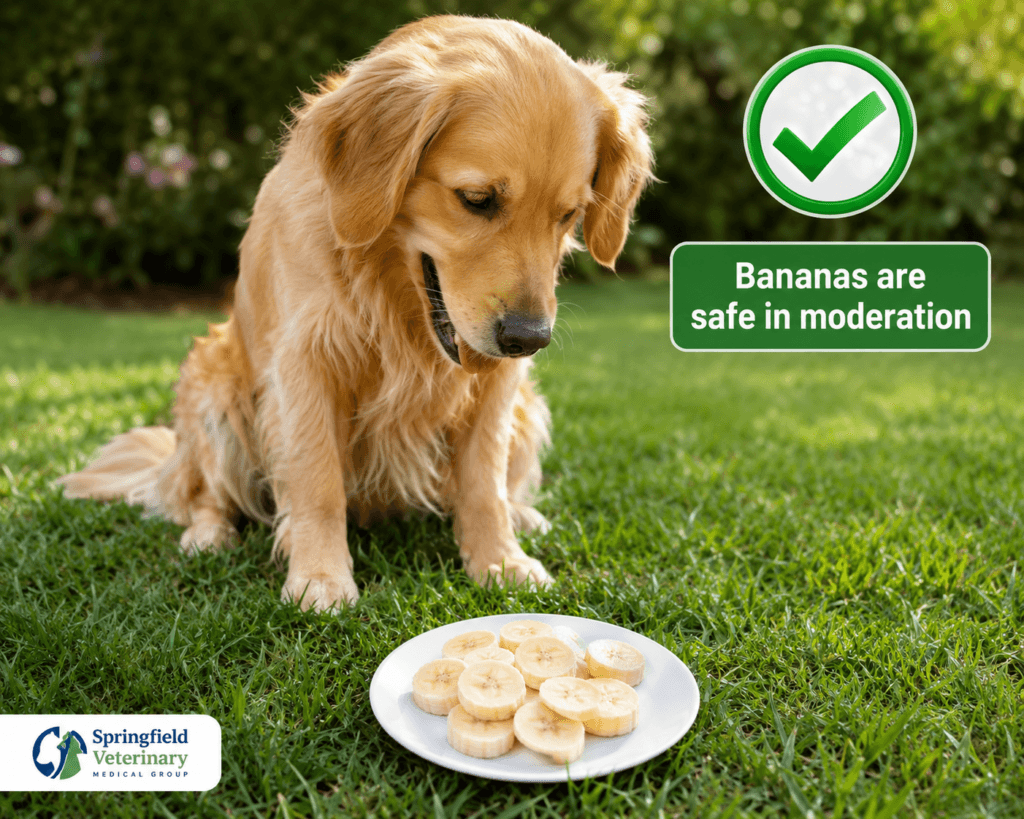
- Bananas
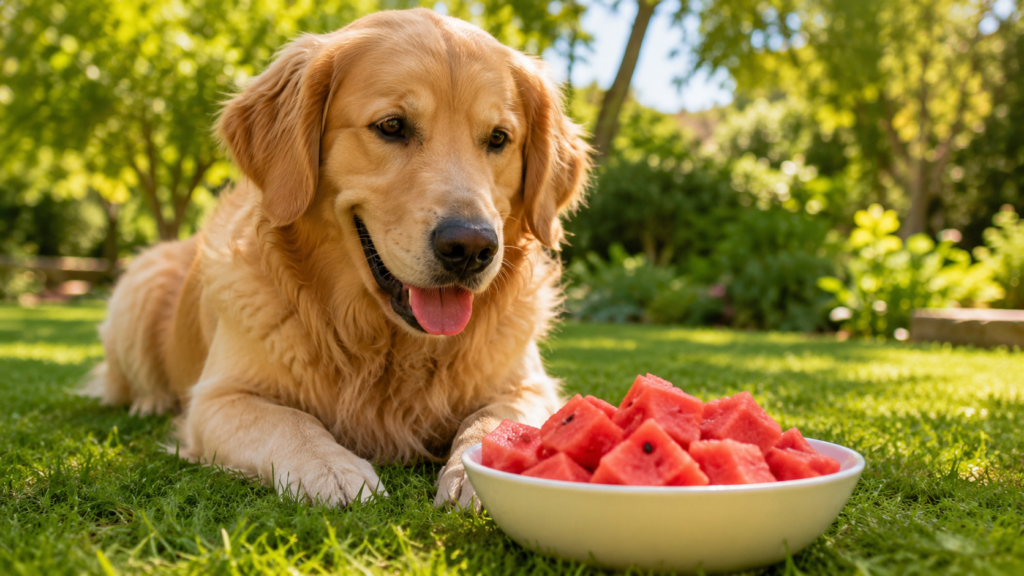
- Watermelon
- Strawberries
- Blueberries
- Pineapple
- Pears
- Nectarines
 Apples (without seeds)
 Bananas
 Watermelon
 Strawberries
 Blueberries
 Pineapple
 Pears
Pears Nectarines
Rotating fruits provides variety while avoiding excessive intake of any single food.

Final Verdict: Can Dogs Eat Apricots?
After reviewing the nutritional value, health benefits, veterinary recommendations, and the potential dangers of apricot pits, we can confidently answer the question:
Can Dogs Eat Apricots?
Yes—but only the ripe flesh in moderation after removing the pit, stem, and leaves.
Fresh apricot flesh can be a refreshing occasional treat that provides vitamins, fiber, antioxidants, and hydration. However, the pit, stem, and leaves are dangerous because they contain cyanogenic compounds and can also create serious choking or intestinal blockage risks.
For most healthy adult dogs, properly prepared apricot pieces are safe when fed occasionally as part of a balanced diet.
Like every healthy treat, moderation is the key.
Quick Safety Summary
| Question | Answer |
|---|---|
| Can Dogs Eat Apricots? | Yes |
| Can Dogs Eat Apricot Flesh? | Yes |
| Can Dogs Eat Apricot Skin? | Yes (washed thoroughly) |
| Can Dogs Eat Apricot Pit? | Never |
| Can Dogs Eat Apricot Stem? | No |
| Can Dogs Eat Apricot Leaves? | No |
| Can Puppies Eat Apricots? |  Not Recommended Not Recommended |
| Can Dogs Eat Dried Apricots? | No |
| Can Dogs Drink Apricot Juice? | No |
| Daily Treat? | No |
When Should You Call Your Veterinarian?
Seek immediate veterinary care if your dog:
- Swallowed an apricot pit
- Is choking
- Has repeated vomiting
- Develops diarrhea that doesn’t improve
- Appears weak or lethargic
- Stops eating
- Shows abdominal pain
- Cannot pass stool
- Chewed or cracked an apricot pit
Early treatment can prevent serious complications and improve recovery.
Safe Feeding Checklist
Before giving your dog apricots, always remember this checklist:
Wash the fruit thoroughly.
Use only ripe apricot flesh.
Remove the pit completely.
Remove the stem.
Remove every leaf.
Peel if your dog has a sensitive stomach.
Cut into very small bite-sized cubes.
Feed only occasionally.
Monitor your dog after introducing any new food.
Veterinary Recommendation
Veterinary nutrition experts generally agree that fresh ripe apricot flesh can be offered occasionally to healthy adult dogs.
However, dogs should never eat:
- Apricot pits
- Apricot kernels
- Apricot stems
- Apricot leaves
- Canned apricots packed in syrup
- Dried apricots containing added sugar
- Artificially sweetened fruit products
Fresh fruit prepared correctly remains the safest choice.
Best Fruit Alternatives for Dogs
If you’re building a healthy fruit rotation, these options are generally considered safe for most dogs when served properly:
- Apples (without seeds)
- Pears
- Bananas
- Strawberries
- Blueberries
- Watermelon
- Pineapple
- Nectarines
- Mango (without pit)
 Mango (without pit)
Rotating safe fruits provides enrichment while reducing the risk of feeding too much of any single fruit.
Frequently Asked Questions
Can dogs eat apricots?
Yes. Dogs can safely eat small amounts of ripe apricot flesh after removing the pit, stem, and leaves.
Are apricots poisonous to dogs?
The flesh is not poisonous.
However, the pit, stem, and leaves contain cyanogenic compounds and should never be eaten.
Can dogs eat apricot pits?
No.
Apricot pits create choking hazards, intestinal blockages, and may release cyanide if chewed.
What should I do if my dog swallowed an apricot pit?
Contact your veterinarian immediately.
Do not wait for symptoms to develop.
Can puppies eat apricots?
Veterinarians generally recommend avoiding apricots for puppies because of their sensitive digestive systems and higher choking risk.
Can dogs eat dried apricots?
No.
Most dried apricots contain added sugar and preservatives that are not healthy for dogs.
Can diabetic dogs eat apricots?
Only under veterinary supervision because apricots naturally contain sugar.
How much apricot can dogs eat?
A few bite-sized pieces based on your dog’s size.
Treats—including fruit—should make up no more than 10% of your dog’s daily calorie intake.
Can dogs eat canned apricots?
No.
Most canned apricots are packed in sugary syrup.
Fresh fruit is the healthier option.
Are apricots healthier than commercial dog treats?
Fresh apricots can be healthier than many processed treats because they contain natural vitamins and fiber, but they should still be offered only occasionally.
Veterinary Disclaimer
This article is intended for educational purposes only and should not replace professional veterinary advice.
Every dog is unique. Factors such as age, breed, weight, medications, allergies, and existing medical conditions may affect how your dog responds to certain foods.
If your dog develops vomiting, diarrhea, choking, abdominal pain, difficulty breathing, or any unusual symptoms after eating apricots, contact your veterinarian immediately.